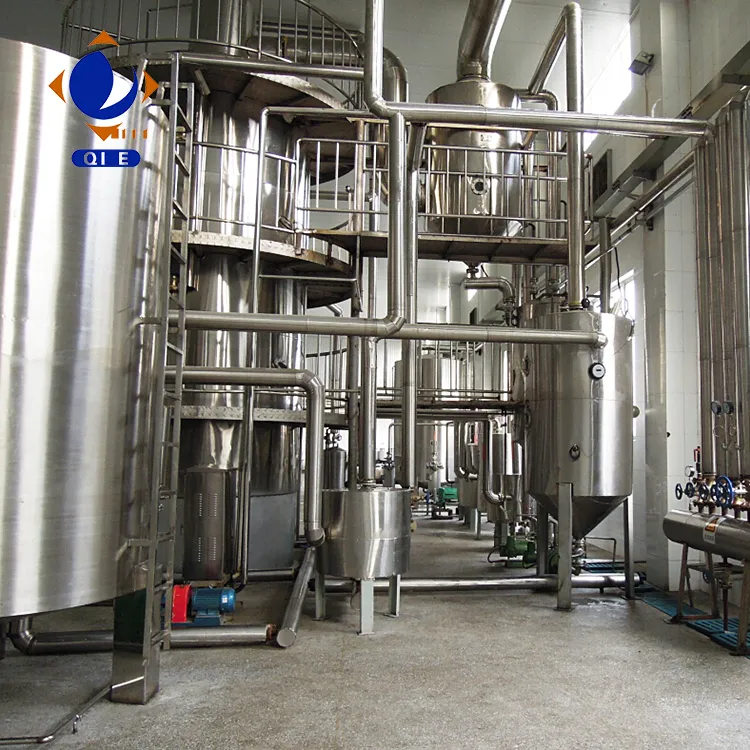
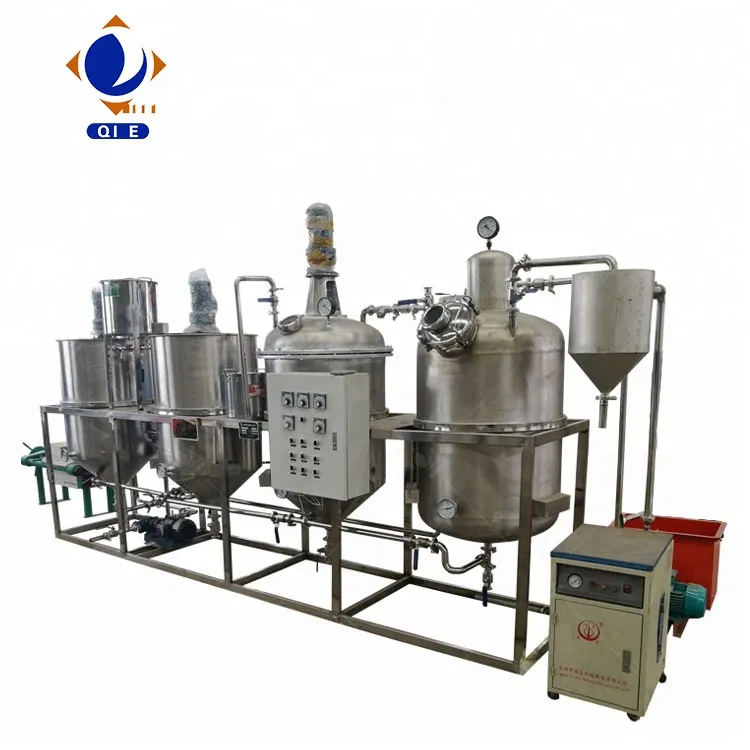
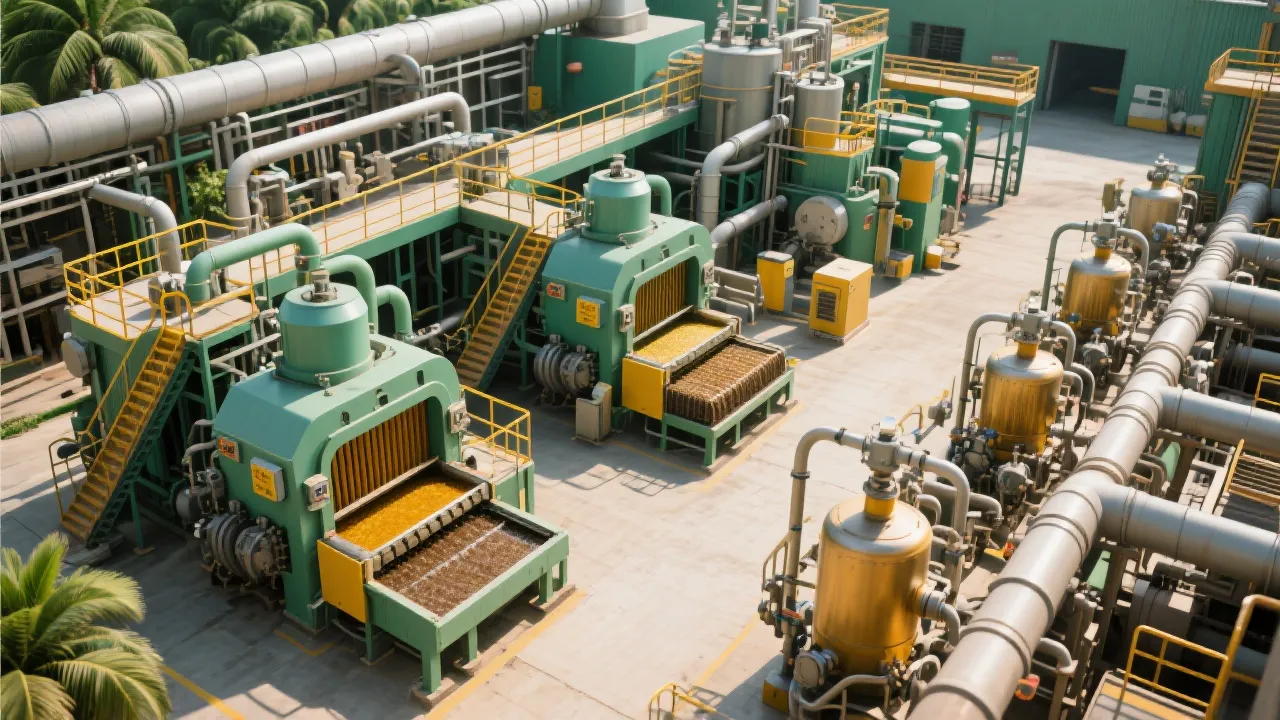
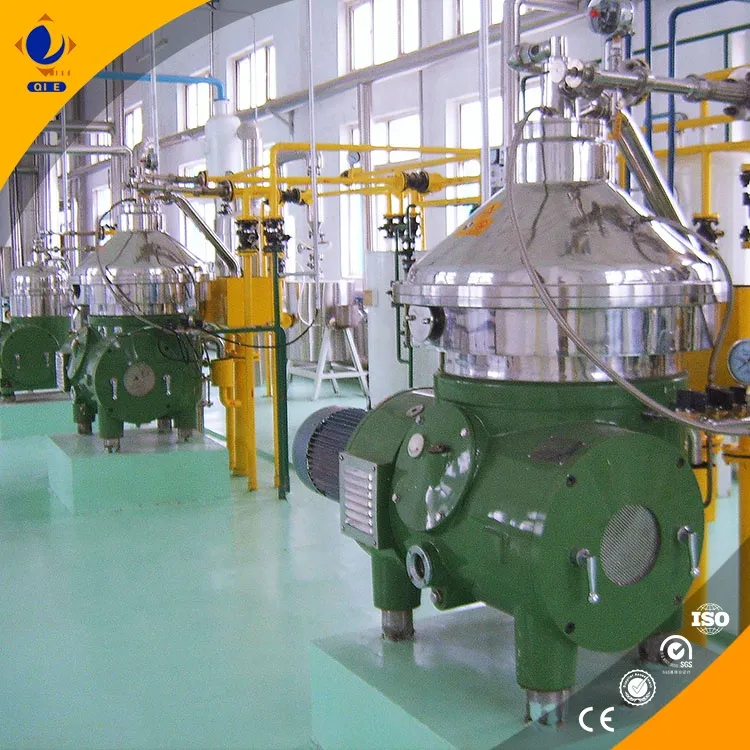
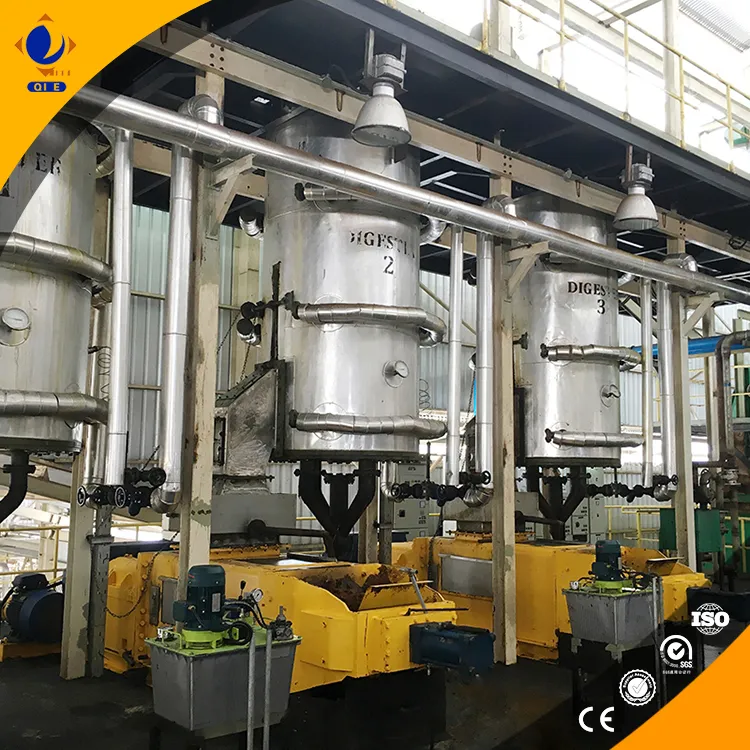
In recent years, the rapid development of small and medium-sized palm oil production enterprises in Southeast Asia has led to a significant shift in equipment preference. An increasing number of manufacturers are now favoring carbon steel modular refining equipment. This article delves deep into the unique advantages of modular design for small and medium-sized enterprises, compares the drawbacks of traditional fixed equipment, and highlights how carbon steel strikes the perfect balance between cost and durability. Additionally, it showcases how the equipment, integrated with multiple national patent technologies, enables energy-efficient production.
Modular design offers several key benefits for small and medium-sized palm oil producers. Firstly, it allows for easy installation. Unlike traditional fixed equipment that often requires complex on - site assembly and long installation times, modular equipment can be quickly installed. For example, a small palm oil factory in Malaysia was able to reduce its installation time from several months to just a few weeks by switching to modular refining equipment. This not only saves time but also reduces labor costs associated with installation.
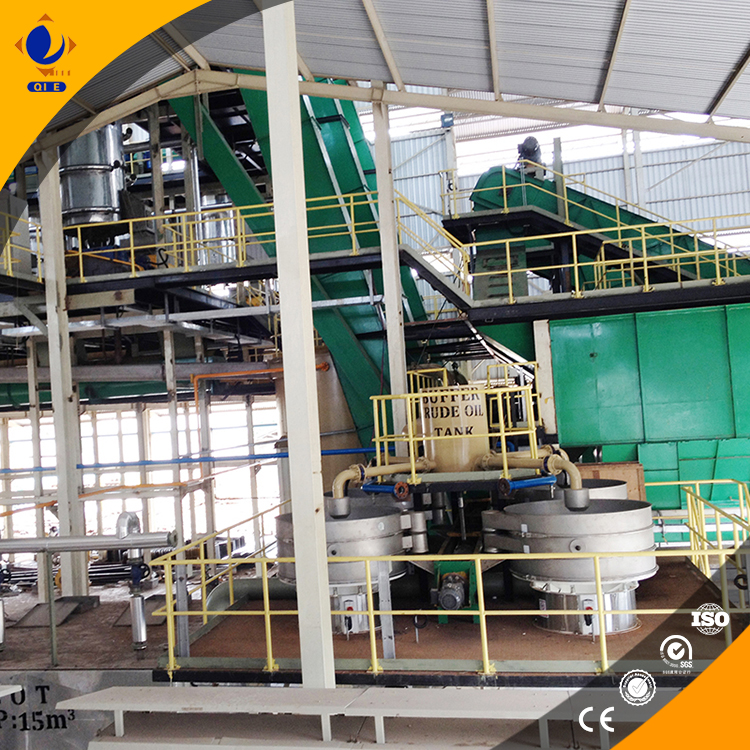
Secondly, modular design is highly space - efficient. In many Southeast Asian countries, land is a valuable resource, especially for small factories. Modular equipment can be designed to fit into smaller spaces without sacrificing functionality. A study shows that modular palm oil refining equipment can reduce the floor space requirement by up to 30% compared to traditional fixed equipment. This allows factories to make better use of their limited space and potentially expand other areas of their production facilities.
Another significant advantage is the ability to expand production capacity flexibly. As the business grows, small and medium - sized enterprises may need to increase their production. With modular equipment, they can easily add modules to the existing system. For instance, a palm oil producer in Indonesia was able to double its production capacity within a short period by simply adding a few modular units, without the need for a complete overhaul of the production line.
Carbon steel has emerged as the material of choice for modular palm oil refining equipment due to its excellent balance between cost and durability. Compared to other materials, carbon steel is relatively inexpensive, which is crucial for small and medium - sized enterprises with limited budgets. At the same time, it offers high strength and corrosion resistance. In the harsh environment of palm oil refining, where the equipment is exposed to various chemicals and high temperatures, carbon steel can withstand the test of time. A long - term study of palm oil factories in Thailand found that carbon steel equipment had a service life of up to 20 years with proper maintenance, which is comparable to more expensive materials.
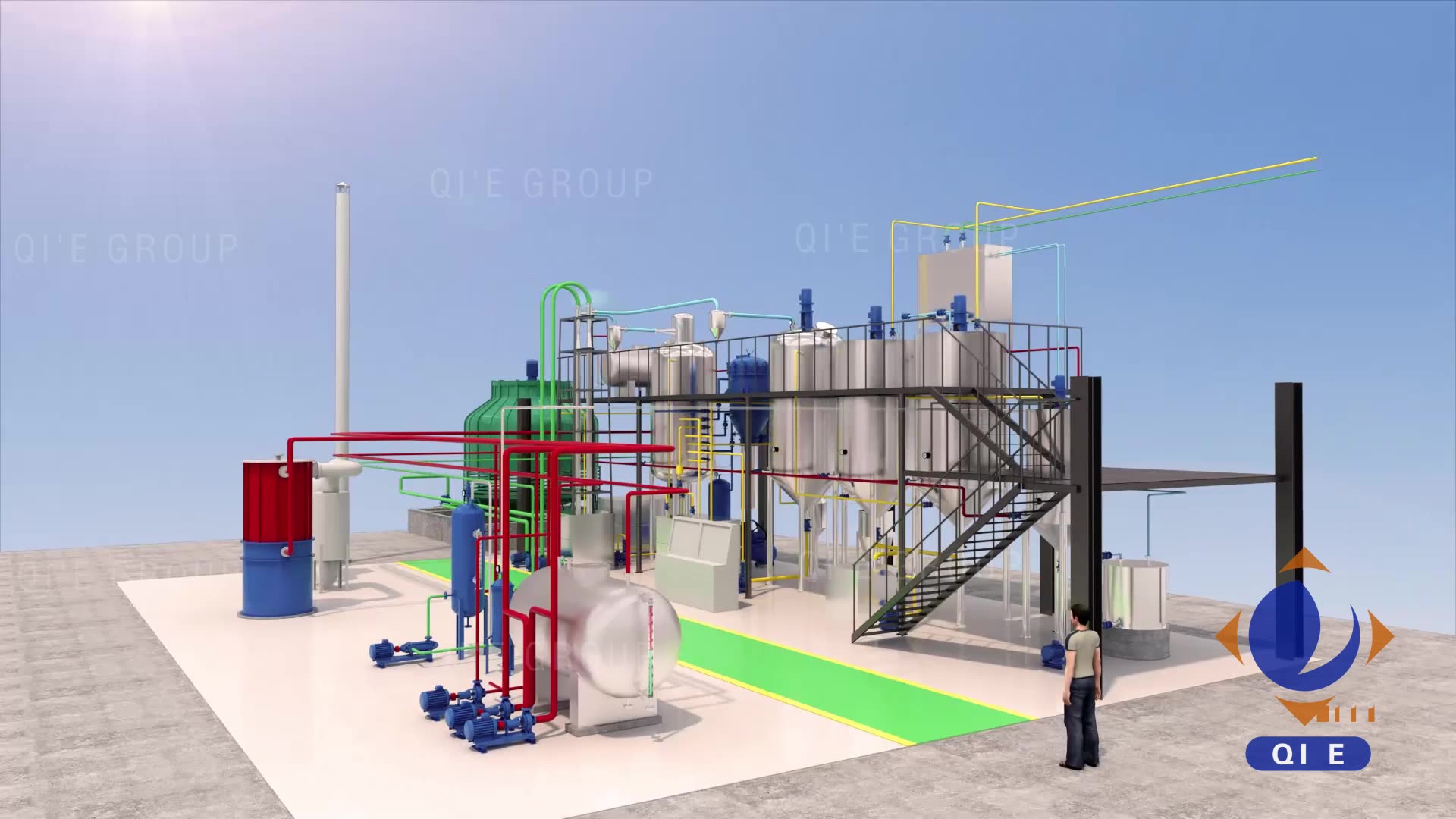
The carbon steel modular refining equipment is integrated with multiple national patent technologies that contribute to energy - efficient production. These technologies optimize the refining process, reducing energy consumption while increasing production efficiency. For example, a patented heat recovery system can reuse waste heat from the refining process, reducing the overall energy input by up to 25%. This not only helps factories save on energy costs but also aligns with the global trend of green manufacturing.
In conclusion, the carbon steel modular refining equipment offers a comprehensive solution for small and medium - sized palm oil producers in Southeast Asia. Its modular design, carbon steel material, and energy - efficient technologies make it a superior choice compared to traditional equipment. Understand how the modular solution can fit your factory and start a new era of energy - efficient production.
 crude palm oil refining automation
energy-efficient palm oil processing
CE certified oil refining equipment
sustainable palm oil production
palm oil plant optimization
Palm oil refining machine operation process
Economical refining equipment maintenance
Palm oil processing standard operation
PLC control refining system
Small and medium-sized grain and oil processing solutions
Modular palm oil refining equipment
Small and medium-sized palm oil mills
Capacity expansion guide
Energy-saving equipment installation
Penguin Group equipment advantages
Economical palm oil refining machine
Palm oil processing equipment
Refining machine operation procedures
Equipment maintenance techniques
Common failure handling
Palm oil refining equipment
Small and medium - sized palm oil mills
Energy - saving equipment selection
PLC intelligent control
Production efficiency improvement
crude palm oil refining automation
energy-efficient palm oil processing
CE certified oil refining equipment
sustainable palm oil production
palm oil plant optimization
Palm oil refining machine operation process
Economical refining equipment maintenance
Palm oil processing standard operation
PLC control refining system
Small and medium-sized grain and oil processing solutions
Modular palm oil refining equipment
Small and medium-sized palm oil mills
Capacity expansion guide
Energy-saving equipment installation
Penguin Group equipment advantages
Economical palm oil refining machine
Palm oil processing equipment
Refining machine operation procedures
Equipment maintenance techniques
Common failure handling
Palm oil refining equipment
Small and medium - sized palm oil mills
Energy - saving equipment selection
PLC intelligent control
Production efficiency improvement






.png?x-oss-process=image/resize,h_100,m_lfit/format,webp)
.png?x-oss-process=image/resize,h_100,m_lfit/format,webp)
.png?x-oss-process=image/resize,h_100,m_lfit/format,webp)