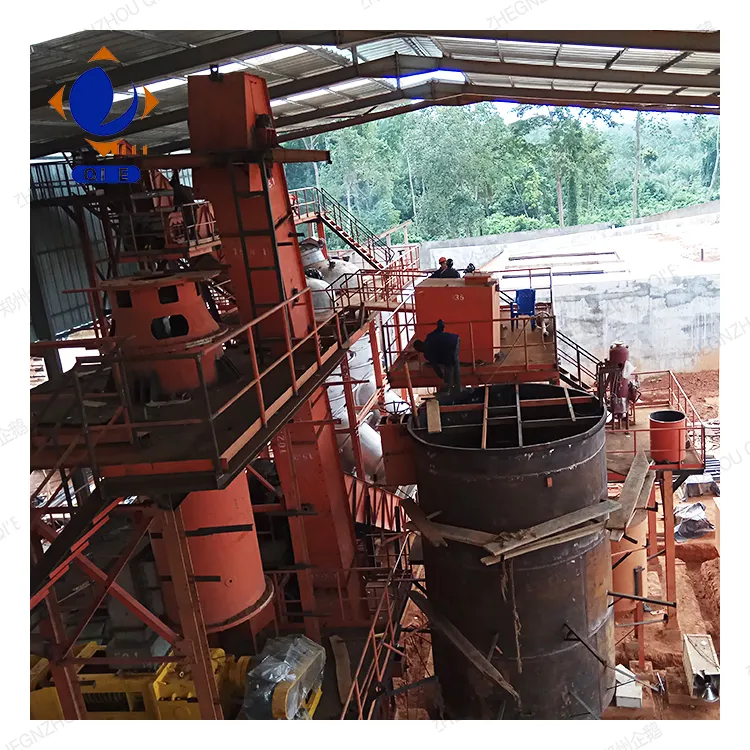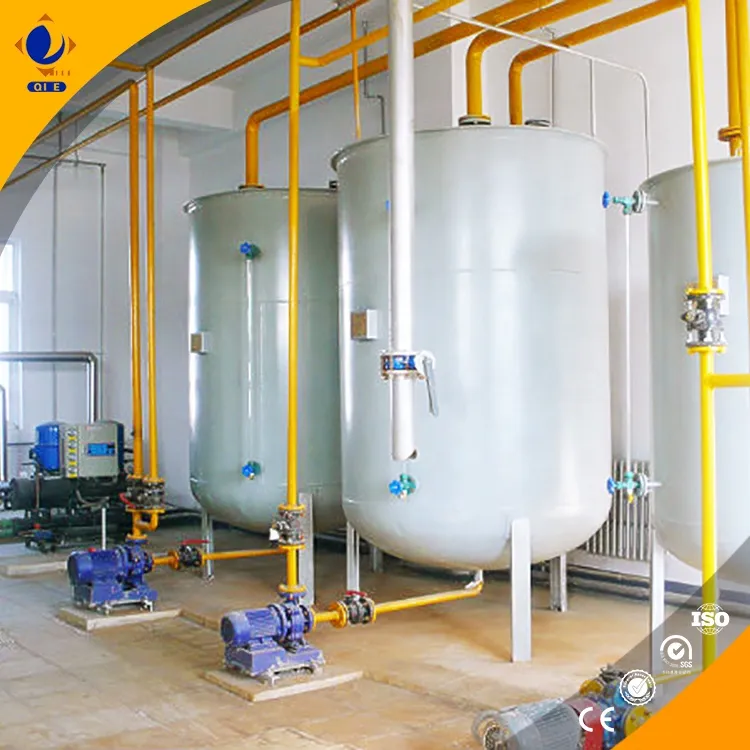
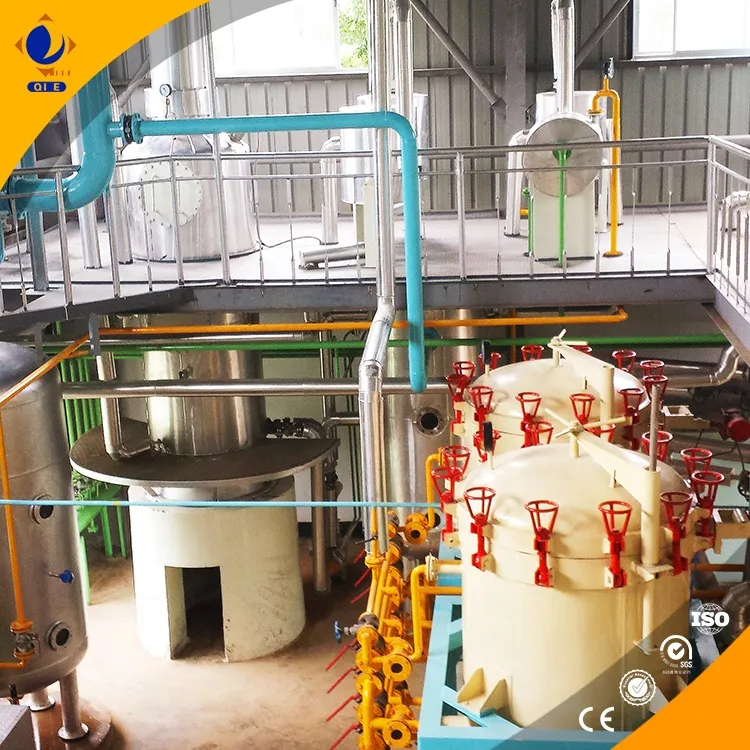
In emerging markets across Asia, Africa, and South America, small and medium-sized edible oil producers face formidable challenges associated with high temperature and humidity. These environmental factors can adversely affect the performance, efficiency, and durability of small-scale edible oil refining equipment. Addressing these challenges, QIE Group’s 10-ton/day palm kernel oil refining system integrates cutting-edge automation and advanced spiral pressing technology to ensure stable, energy-efficient operations that meet stringent international food safety standards such as ISO9001.
Many new refining operations operate under tropical conditions with ambient temperatures often exceeding 35°C (95°F) and relative humidity over 80%. These factors can accelerate equipment corrosion, hinder mechanical precision, and increase energy consumption. Furthermore, unpredictable climatic variations impose additional strains on process consistency and product quality.
The small and medium-sized edible oil plants necessitate machinery that is not only robust but also flexible enough to adapt to fluctuating conditions without compromising throughput or oil quality.
The 10-ton/day refining equipment employs an automated control system equipped with sensors to monitor temperature, humidity, and hydraulic pressures in real time. This allows proactive adjustment of operational parameters, minimizing downtime and preventing performance degradation.
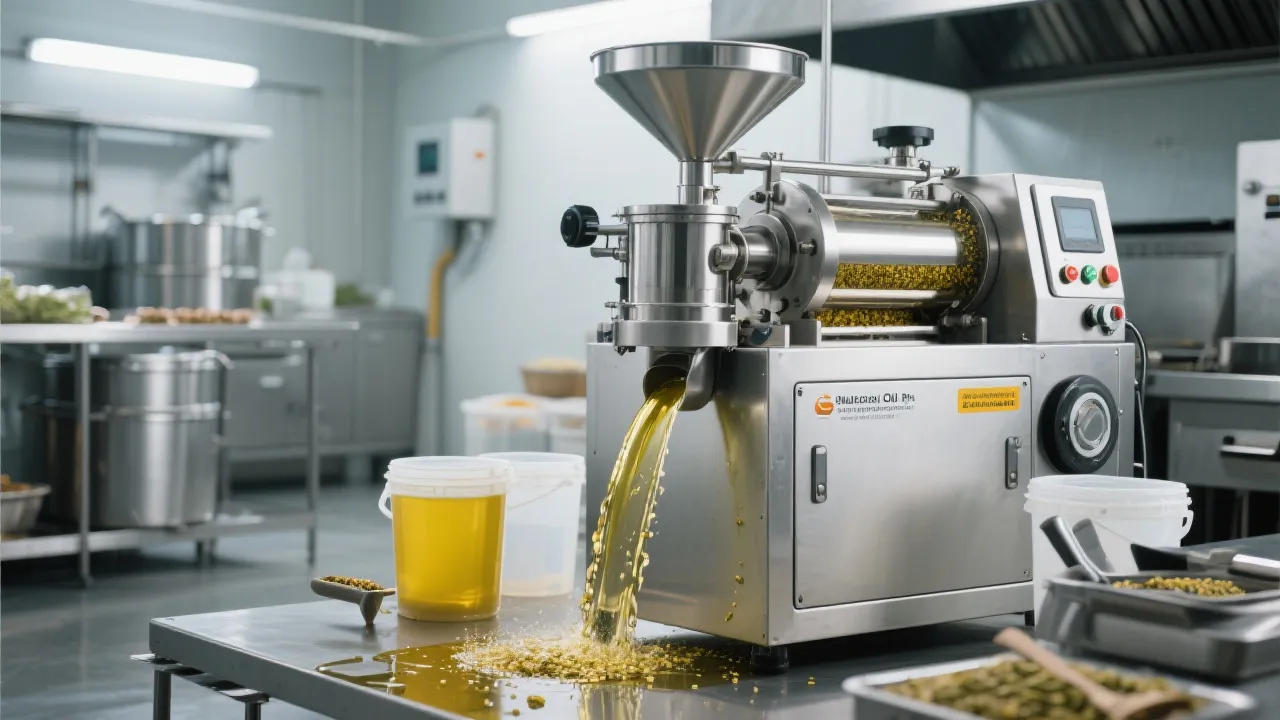
Additionally, the advanced spiral pressing technology optimizes oil extraction efficiency by maintaining consistent pressure and shear force, ensuring higher oil yield and purity even under variable feedstock moisture content common in tropical climates.
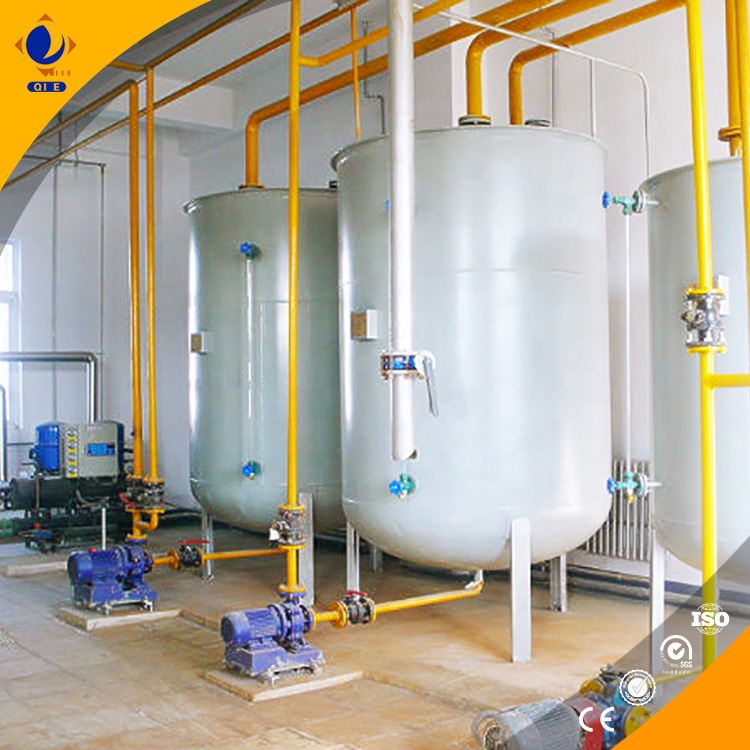
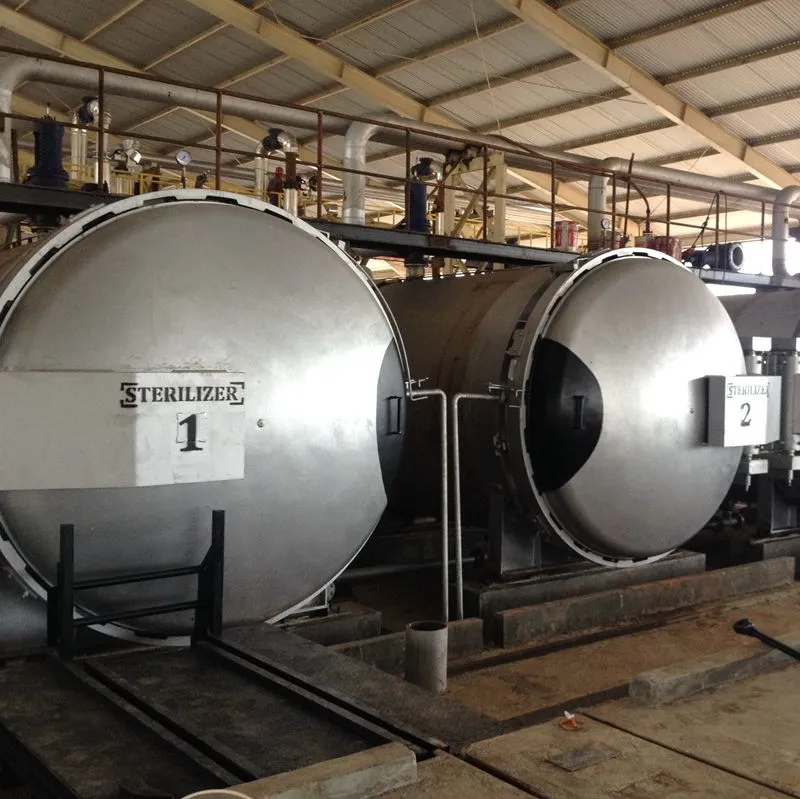
The equipment’s modular design facilitates speedy installation and maintenance, critical in regions where access to technical support might be limited. The use of corrosion-resistant alloys and food-grade coatings on key components extends service life and reduces maintenance frequency.
Key components, sourced from internationally renowned brands compliant with ISO9001 standards, guarantee reliable performance. The phospholipid extraction process integrated with spiral pressing improves the removal of impurities and enhances oil stability—crucial for meeting international food safety and export requirements.
To ensure continuous optimal performance, operators should incorporate the following steps:
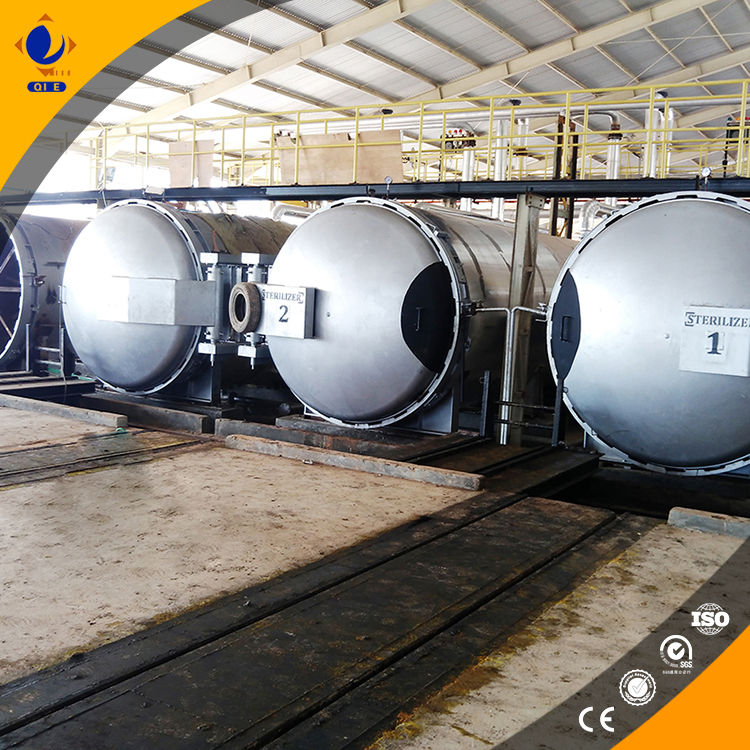
Case studies across Southeast Asia demonstrate that adopting this sophisticated equipment results in yield improvements of up to 12%, energy consumption reductions of 18%, and significantly lower maintenance downtime—translating to an ROI within 18 months for typical small processors.
The equipment’s compliance with international food safety standards opens export opportunities and enhances brand reputation in global markets. Furthermore, energy-efficient operation aligns with rising regulatory and consumer demands for sustainable manufacturing practices, bolstering competitive positioning.
 cold press palm oil
hot press palm oil
palm oil refining process
small scale palm oil refinery
dual process palm oil refining
palm oil refining line
small palm oil processing equipment
palm oil deodorization technology
oil refining process optimization
edible oil refining equipment
cold press palm oil
hot press palm oil
palm oil refining technology
oil quality stability
sustainable oil processing
palm oil refining equipment
cold-heat press process
palm oil quality improvement
edible oil processing technology
refining process optimization
small palm oil mill automation
PLC control system
cold hot pressing optimization
oil refining equipment
automated palm oil processing
cold press palm oil
hot press palm oil
palm oil refining process
small scale palm oil refinery
dual process palm oil refining
palm oil refining line
small palm oil processing equipment
palm oil deodorization technology
oil refining process optimization
edible oil refining equipment
cold press palm oil
hot press palm oil
palm oil refining technology
oil quality stability
sustainable oil processing
palm oil refining equipment
cold-heat press process
palm oil quality improvement
edible oil processing technology
refining process optimization
small palm oil mill automation
PLC control system
cold hot pressing optimization
oil refining equipment
automated palm oil processing








.png?x-oss-process=image/resize,h_100,m_lfit/format,webp)
.png?x-oss-process=image/resize,h_100,m_lfit/format,webp)
.png?x-oss-process=image/resize,h_100,m_lfit/format,webp)