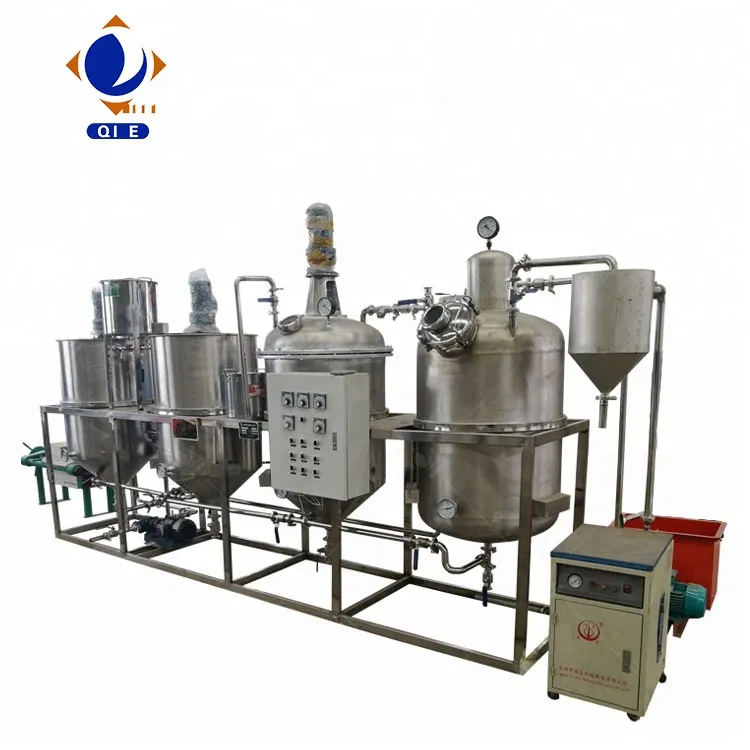
Small-scale palm oil refining is a vital process for medium and small producers striving to enhance product quality, increase yield, and enter competitive markets with premium refined oil. From raw palm oil to high-grade edible oil, understanding and controlling each refining stage is pivotal for success. This guide dissects the entire refining journey—from preprocessing through deodorization—detailing crucial parameters and operational insights designed to minimize complexity while maximizing efficiency and safety.
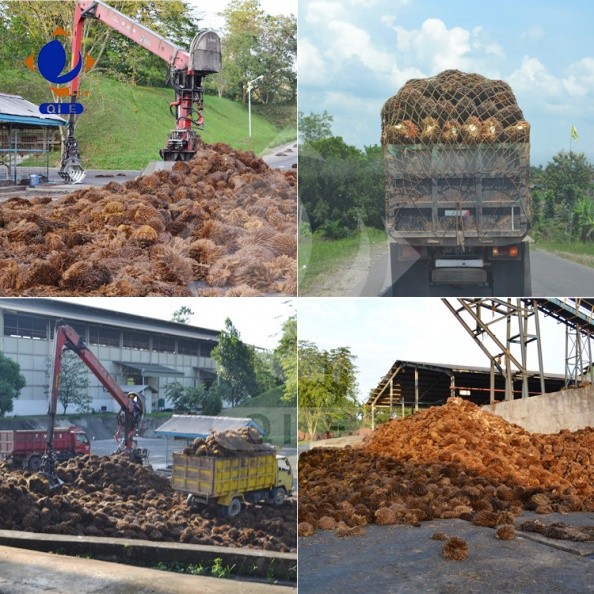
Raw palm oil typically contains impurities and free fatty acids (FFA) which must be addressed before refining proper. Preprocessing includes:
Effective preprocessing can increase downstream process yield by up to 5%, underscoring the importance of clean raw input.
Degumming removes phosphatides that cause dark color and sediment, improving oil stability. Process parameters:
| Step | Temperature (°C) | Time (minutes) | Water Addition (%) |
|---|---|---|---|
| Hydration Degumming | 70-75 | 15-20 | 2-3 |
PLC-controlled mixing ensures uniform water distribution, optimizing phospholipid separation while maintaining steady temperature and timing.
To lower the FFA content, acid degumming with phosphoric or citric acid is followed by neutralization with caustic soda. Crucial controlled parameters include:
Typical FFA reduction can reach 90%-95%, significantly improving oil stability and color.
Bleaching is essential to strip color pigments and impurities using bleaching earth or activated carbon under vacuum and inert atmosphere. Key operational insights:
Efficient bleaching reduces carotenoids and chlorophyll, improving oil clarity and shelf-life.
Deodorization uses steam distillation under high vacuum to remove volatile compounds, fatty acids and odorants. Recommended parameters for small-scale setups:
| Parameter | Value |
|---|---|
| Temperature | 230-250°C |
| Vacuum | 3-6 mbar |
| Deodorization Time | 60-90 minutes |
Adoption of PLC (Programmable Logic Controller) systems can automate and monitor these critical variables continuously, minimizing operator error and enhancing safety. Automated shutdown protocols trigger if parameters exceed safety thresholds, securing plant integrity.
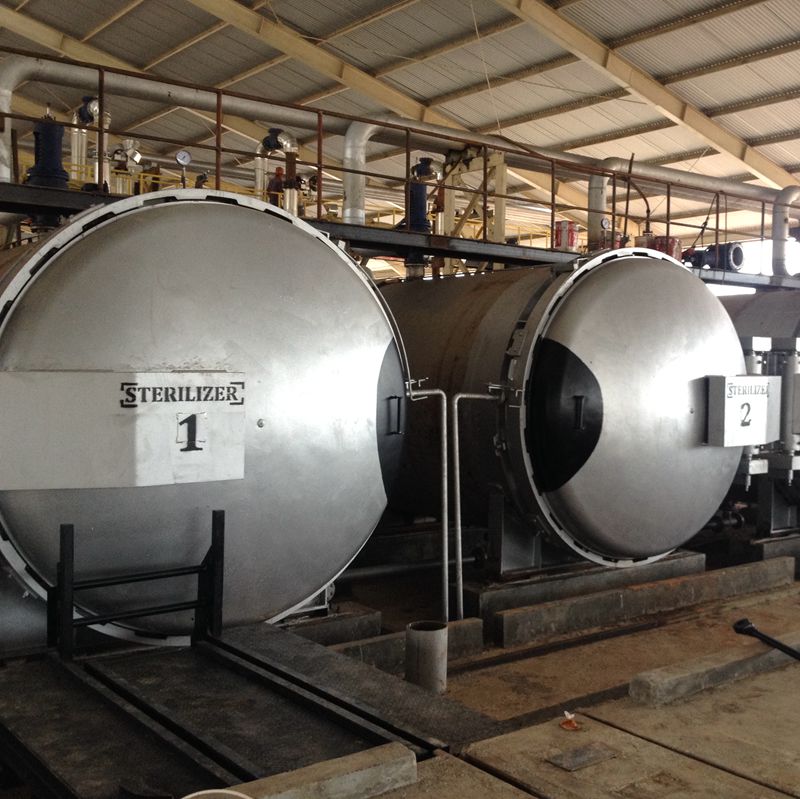
To ensure continuous, safe operation and longevity of refining equipment, regular maintenance is mandatory:
PLC systems significantly reduce risk by providing real-time alerts and process logs for preventive maintenance scheduling.
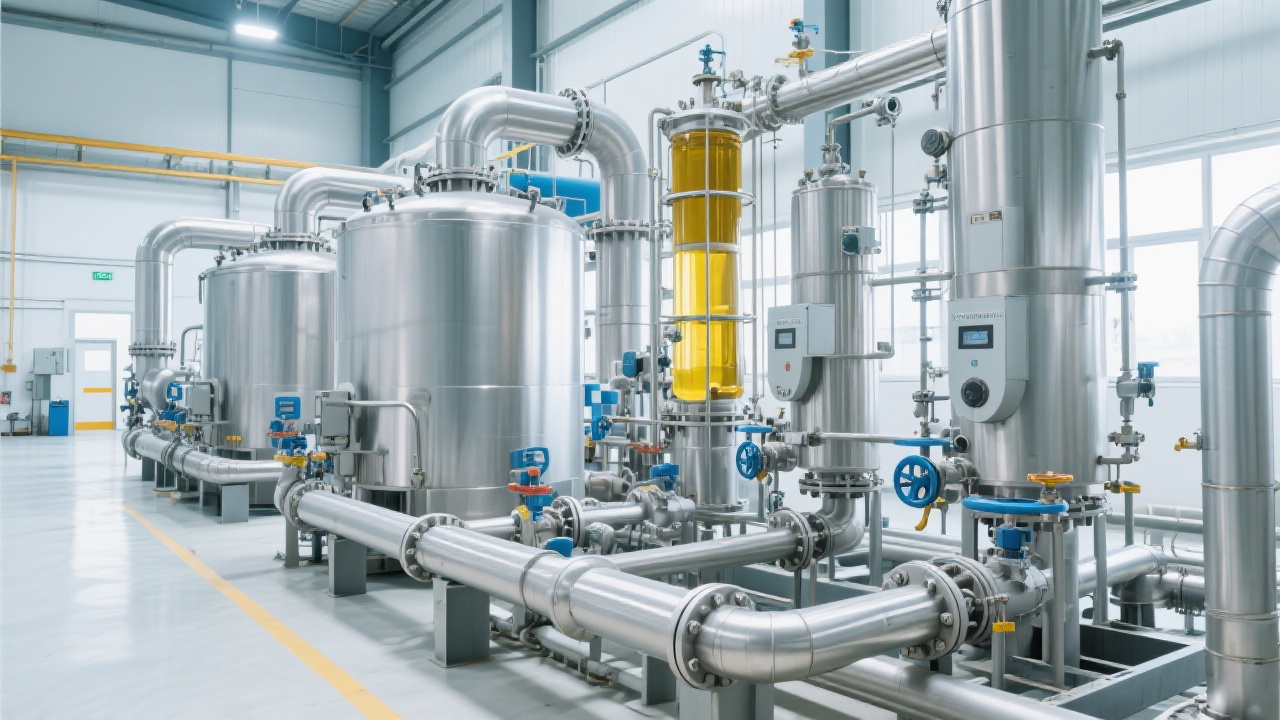
Empower your small-scale palm oil refining process today by integrating smart PLC control with proven refining parameters – your first step to achieving consistent quality and operational safety.


.png?x-oss-process=image/resize,h_100,m_lfit/format,webp)
.png?x-oss-process=image/resize,h_100,m_lfit/format,webp)
.png?x-oss-process=image/resize,h_100,m_lfit/format,webp)