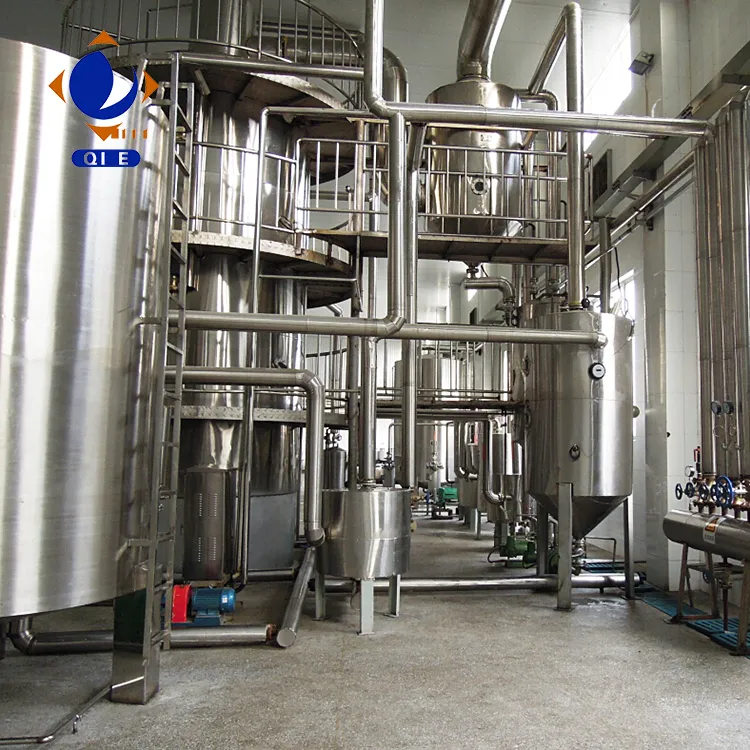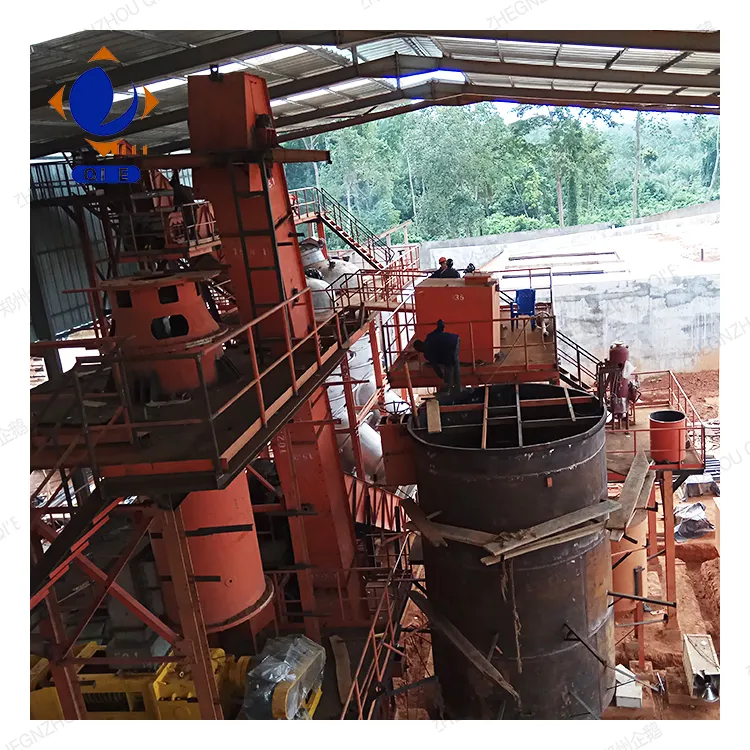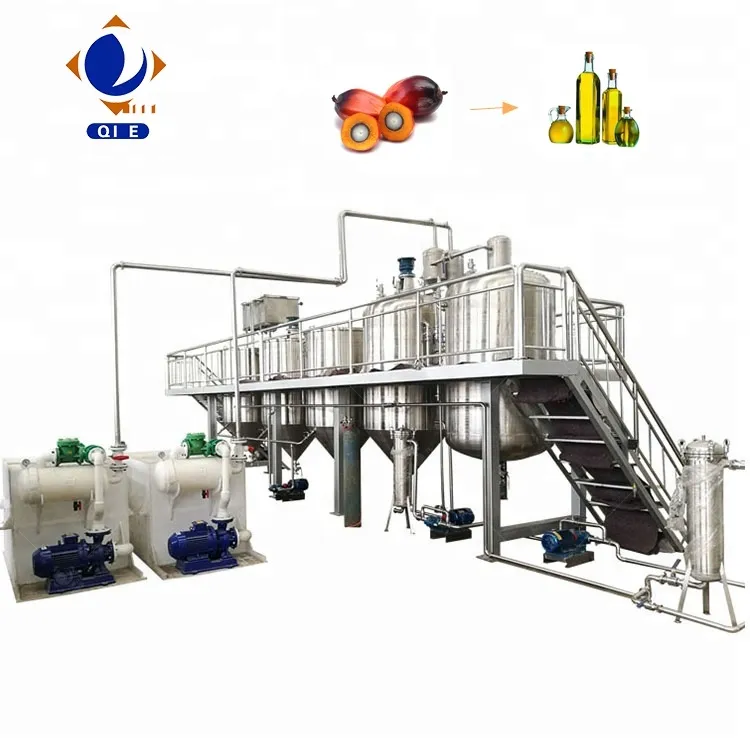
Are you a small-scale palm oil producer struggling with low oil yield and inconsistent quality due to improper parameter settings? You're not alone. Many small palm oil production enterprises face these challenges, which can significantly impact their profitability. But don't worry, this guide is here to help you master the full process of small-scale palm oil refining, from setting key parameters to optimizing the entire operation.
Small palm oil producers often encounter issues such as low oil yield and fluctuating quality because of incorrect parameter settings. These problems can lead to increased production costs and reduced competitiveness in the market. By following this guide, you can learn how to set the right parameters to improve both the yield and quality of your palm oil.
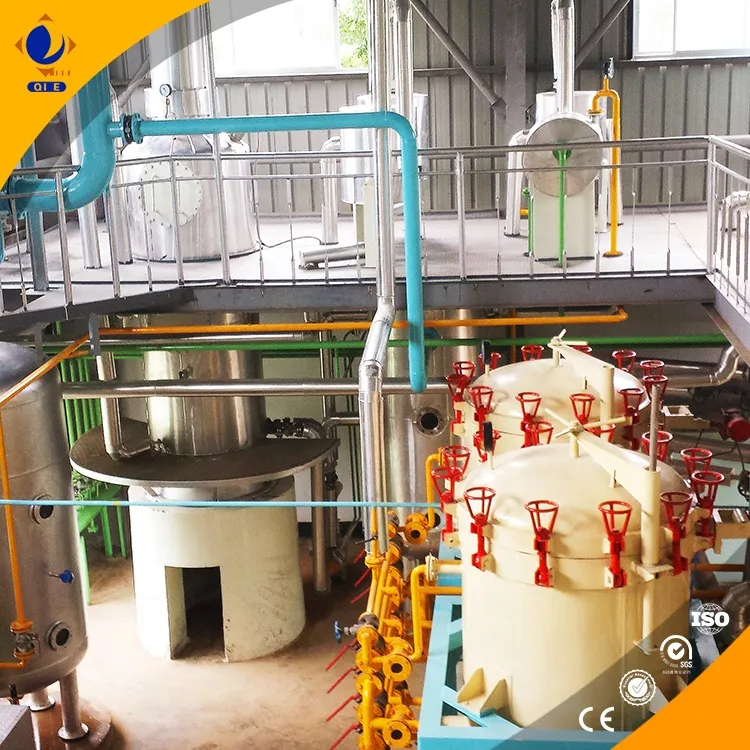
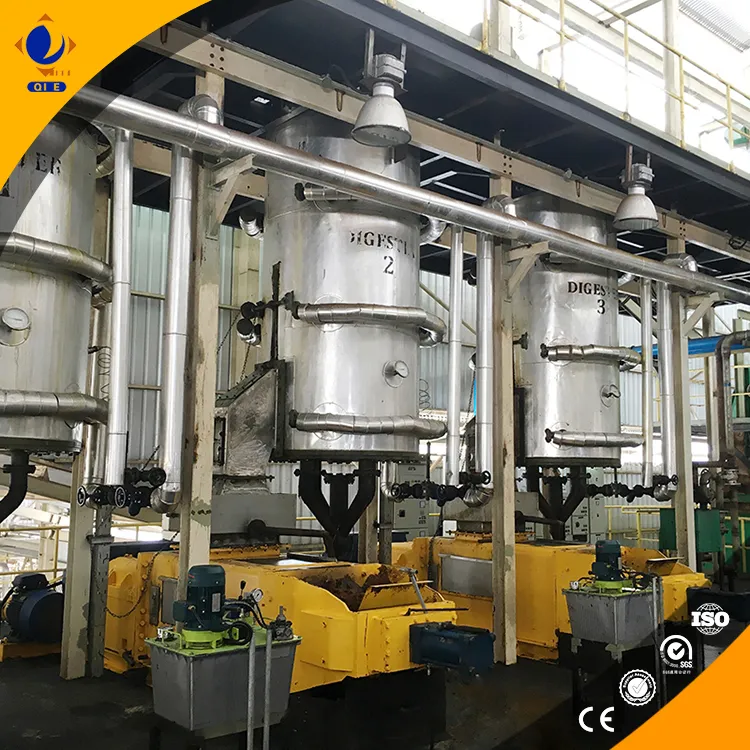
The palm oil refining process consists of several key stages: pre-treatment, degumming, deacidification, decolorization, and deodorization. Let's break down each stage and understand the core processes and parameter setting logic.
Pre-treatment is the first step in the refining process, which involves removing impurities and preparing the crude palm oil for further processing. Key parameters in this stage include temperature, pressure, and time. For example, the pre-treatment temperature is typically set between 60 - 80°C to ensure effective removal of large impurities.
Degumming aims to remove phospholipids and other gummy substances from the palm oil. The degumming process usually requires a temperature of 70 - 90°C and a specific amount of phosphoric acid or citric acid. The right acid dosage and reaction time are crucial for achieving good degumming results.
Deacidification is used to reduce the free fatty acid content in the palm oil. This process often involves the use of an alkaline solution. The temperature during deacidification is generally maintained at 70 - 90°C, and the reaction time can vary depending on the acid value of the crude oil.
Decolorization helps to remove pigments and other colored substances from the palm oil. Activated carbon or bleaching earth is commonly used in this stage. The decolorization temperature is usually around 90 - 110°C, and the contact time between the oil and the adsorbent is an important factor affecting the decolorization effect.
Deodorization is the final step to remove unpleasant odors and flavors from the palm oil. The deodorization temperature is typically set between 180 - 210°C under vacuum conditions. The right temperature, pressure, and time combination can significantly improve the quality and stability of the refined palm oil.
To better understand the impact of different parameter combinations on the quality and yield of refined palm oil, let's look at some data. The following table shows the influence of typical temperature, pressure, and time combinations on the final product:
| Process | Temperature (°C) | Pressure (kPa) | Time (min) | Quality Impact | Yield Impact |
|---|---|---|---|---|---|
| Degumming | 70 - 90 | Normal | 20 - 30 | Improves clarity | Slight increase |
| Deacidification | 70 - 90 | Normal | 30 - 40 | Reduces free fatty acids | Slight decrease |
| Decolorization | 90 - 110 | Normal | 20 - 30 | Removes pigments | Slight decrease |
| Deodorization | 180 - 210 | Vacuum | 60 - 90 | Removes odors | Slight decrease |
The PLC (Programmable Logic Controller) system plays a crucial role in palm oil refining. By using a PLC system, you can automate the control of key parameters such as temperature, pressure, and time. This not only reduces human errors but also improves the consistency and safety of the production process. For example, the PLC system can precisely control the temperature during deodorization, ensuring that the oil is not over - heated or under - treated.
During the palm oil refining process, you may encounter some common problems such as emulsification, charring, and unpleasant odors. Here are some countermeasures:
Proper daily maintenance of the refining equipment is essential for extending its service life and reducing the risk of breakdowns. Regularly check the equipment for leaks, clean the filters, and lubricate the moving parts. Additionally, follow strict safety regulations during the operation to ensure the safety of the operators and the production process.
Establishing a standardized operation process is the key to achieving sustainable profitability in small - scale palm oil refining. By following the guidelines in this article and using the right equipment, such as the mini - refining equipment from QIE Group, you can quickly get started and achieve stable production. QIE Group equipment has served over 30 countries globally and supports one - stop implementation, ensuring you have a reliable partner in your palm oil refining journey.
 small-scale palm oil refining
mini palm oil refining equipment
equipment maintenance and safety
PLC control system
palm oil production process
Small and medium - sized palm oil refining production line
Full - process automated palm oil processing
Economical palm oil equipment
Palm oil production efficiency improvement
Vietnamese palm oil processing case
Modular palm oil refining equipment
Small and medium - sized enterprise palm oil processing solutions
Green manufacturing palm oil equipment
Automation upgrade of oil mills
Carbon steel refining equipment
Small and medium-sized palm oil mill equipment selection
High - efficiency energy - saving refining equipment
Palm oil refining process optimization
PLC control system application
Low - energy consumption oil processing
economical palm oil refining equipment
small-scale palm oil production line
palm oil refining machine selection
palm oil refining process
equipment maintenance tips
small-scale palm oil refining
mini palm oil refining equipment
equipment maintenance and safety
PLC control system
palm oil production process
Small and medium - sized palm oil refining production line
Full - process automated palm oil processing
Economical palm oil equipment
Palm oil production efficiency improvement
Vietnamese palm oil processing case
Modular palm oil refining equipment
Small and medium - sized enterprise palm oil processing solutions
Green manufacturing palm oil equipment
Automation upgrade of oil mills
Carbon steel refining equipment
Small and medium-sized palm oil mill equipment selection
High - efficiency energy - saving refining equipment
Palm oil refining process optimization
PLC control system application
Low - energy consumption oil processing
economical palm oil refining equipment
small-scale palm oil production line
palm oil refining machine selection
palm oil refining process
equipment maintenance tips







.png?x-oss-process=image/resize,h_100,m_lfit/format,webp)
.png?x-oss-process=image/resize,h_100,m_lfit/format,webp)
.png?x-oss-process=image/resize,h_100,m_lfit/format,webp)