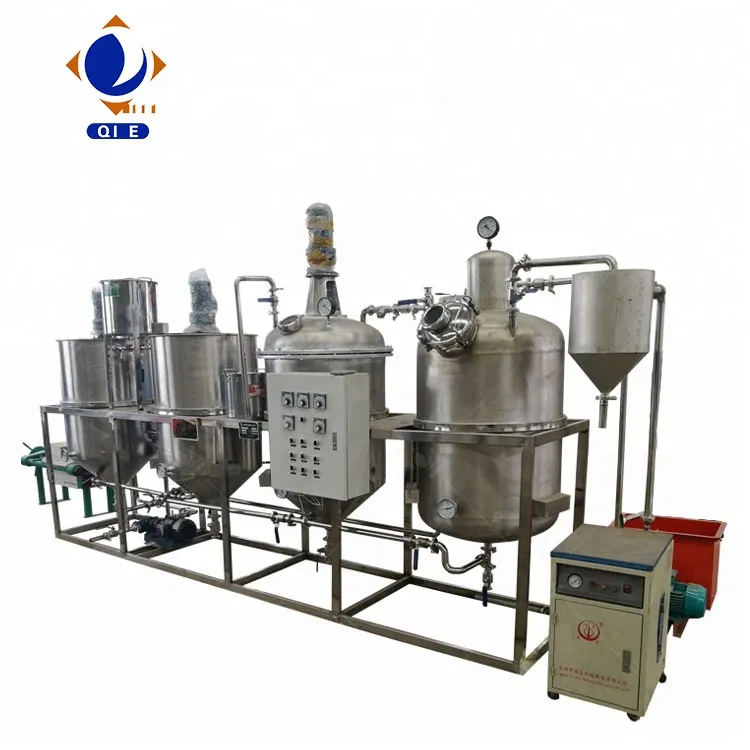
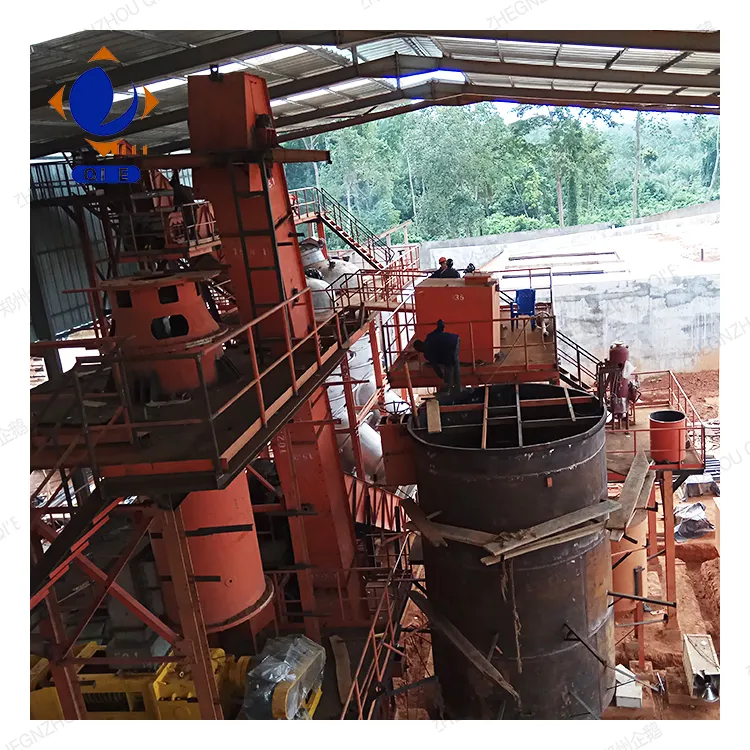
Efficient Palm Oil Refining Equipment Recommendations|Boost Capacity and Quality for Small-Scale Producers
2025-12-06
Share and exchange
Master the complete small-scale palm oil refining process from preprocessing to deodorization! This article thoroughly details the five crucial steps: degumming, neutralization, bleaching, deodorization, and preprocessing, highlighting key operational parameters like temperature, pressure, and processing time that affect product quality and oil yield. Real-world case studies address common challenges such as emulsification, color anomalies, and residual odors, providing practical solutions. It also explores the pivotal role of PLC intelligent control systems in streamlining operations, minimizing faults, and enhancing safety. Daily maintenance tips and safety practices are shared to help startups quickly operate efficiently and reduce risks. Ideal for newcomers, small producers, and entrepreneurs aiming for stable, high-quality palm oil production.
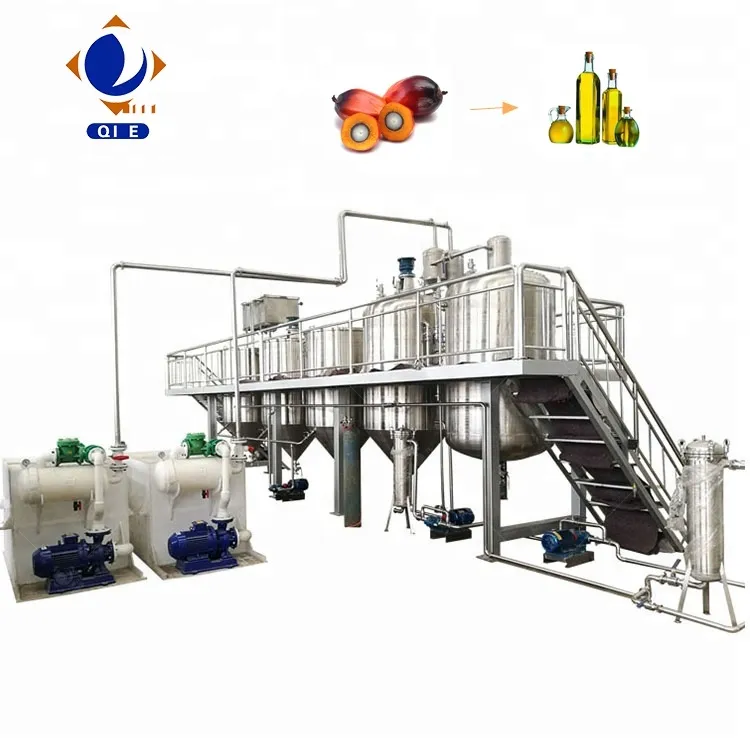
Efficient Refining Equipment Recommendations: Boosting Capacity and Quality for Small-Scale Palm Oil Producers
Starting your journey in palm oil refining can be daunting, especially when seeking consistent quality and optimal output. If you’re managing a small-scale palm oil production unit, mastering the refining process—from pretreatment to deodorization—is essential for your success.
Understanding the Core Refining Steps
The palm oil refining process involves five critical stages that ensure the removal of impurities while preserving oil quality:
- Pretreatment: Preparing crude oil by removing solid particles and adjusting moisture.
- Degumming (Deacidification): Eliminating gums and phospholipids to enhance stability.
- Neutralization (Deacidification): Removing free fatty acids that cause rancidity.
- Bleaching (Decolorization): Reducing pigments and oxidation products to improve appearance.
- Deodorization: Evaporating volatile compounds that cause undesirable odors.
Each step’s performance is highly dependent on carefully monitored parameters such as temperature, pressure, and retention time. For example, maintaining deodorization temperature between 220-260°C under vacuum (3-5 mbar) ensures effective odor removal without compromising oil stability.
Key Process Parameters: Impact on Quality and Yield
| Process Step |
Optimal Temperature |
Pressure |
Retention Time |
| Pretreatment |
50-60°C |
Atmospheric |
15-20 min |
| Degumming |
60-70°C |
Atmospheric |
30-40 min |
| Neutralization |
70-80°C |
Atmospheric |
20-30 min |
| Bleaching |
90-110°C |
Vacuum < 10 mbar |
30-50 min |
| Deodorization |
220-260°C |
Vacuum 3-5 mbar |
60-90 min |
Handling Common Refining Challenges
Even with the right setup, small-scale producers often encounter challenges such as:
- Emulsification: Caused by improper neutralization or excessive mixing. Reduce stirring speed and monitor soap content to prevent oil losses.
- Color Abnormalities: Resulting from incorrect bleaching temperatures or excessive contact time with bleaching earth. Control parameters carefully to maintain bright, clear oil.
- Residual Odors: Due to insufficient deodorization temperature or vacuum level. Check your PLC settings and vacuum seals to ensure optimal deodorization.
Facing these issues? Share your experience below — your insights might help fellow producers tackle similar problems.
The Smart Edge: PLC Control Systems in Refining
Integrating a PLC (Programmable Logic Controller) system can fundamentally transform your refining process. A PLC enables automated control over key parameters—temperature, pressure, retention time—reducing manual input errors and enhancing process stability. Benefits include:
- Consistent Output Quality: Precisely maintain optimal parameters to secure stable yields and product specifications.
- Operational Simplicity: User-friendly interfaces streamline staff training and reduce dependency on highly skilled operators.
- Fault Detection & Safety: Real-time monitoring alerts prevent equipment damage and ensure safety compliance.
For instance, the Mini-Palm Refining Equipment by Penguin Group equips small producers with a PLC system proven to help over 100 enterprises establish efficient, reliable production lines within weeks.
Daily Maintenance and Safety Practices
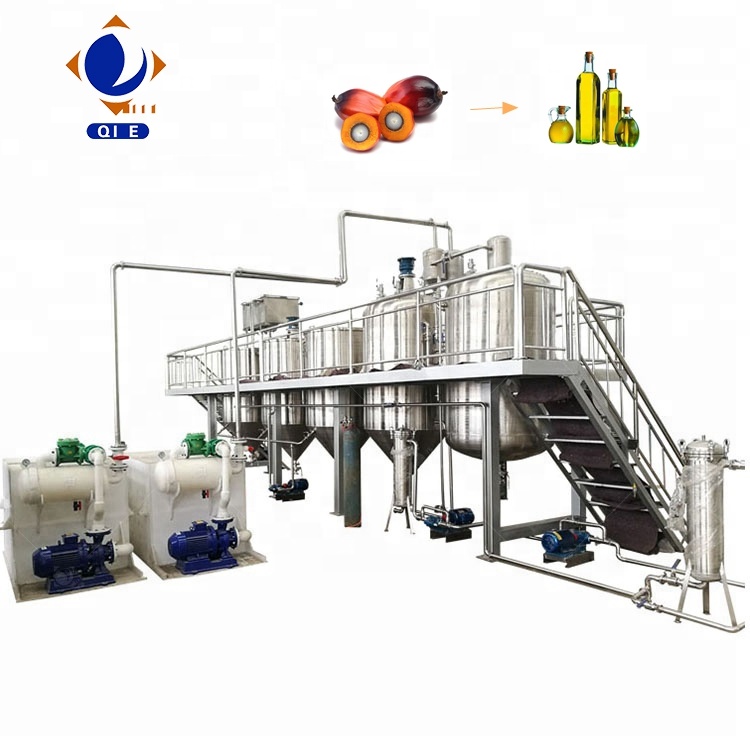
Keeping your refining equipment in top condition protects your investment and ensures operational safety. Key maintenance tips include:
- Regularly inspect and clean heat exchangers and filters to prevent blockages.
- Lubricate moving parts according to manufacturer guidelines to reduce wear.
- Check vacuum pump seals and steam valves for leaks or pressure drops.
- Follow safety protocols strictly—especially when handling high-temperature deodorization.
Implement a daily checklist and train your operators to spot abnormalities early, minimizing downtime and avoiding costly disruptions.
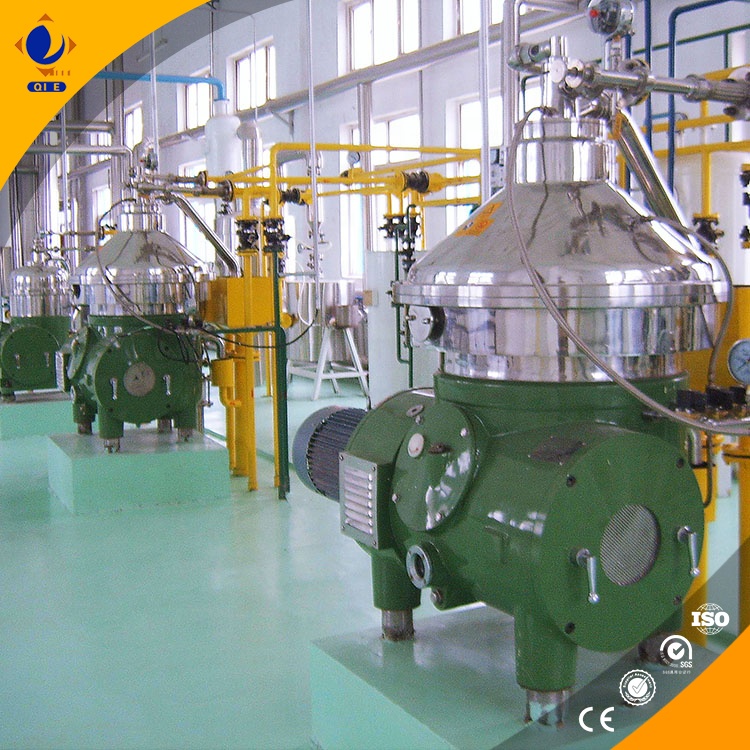
Ready to raise your palm oil refining game?
Your Turn: Share and Learn
Does your refining equipment frequently encounter emulsification or color issues? Or have you optimized yield using intelligent control systems like PLC-based machines? We’d love to hear your challenges and successes. Leave a comment below or reach out via our website community forum.


.png?x-oss-process=image/resize,h_100,m_lfit/format,webp)
.png?x-oss-process=image/resize,h_100,m_lfit/format,webp)
.png?x-oss-process=image/resize,h_100,m_lfit/format,webp)