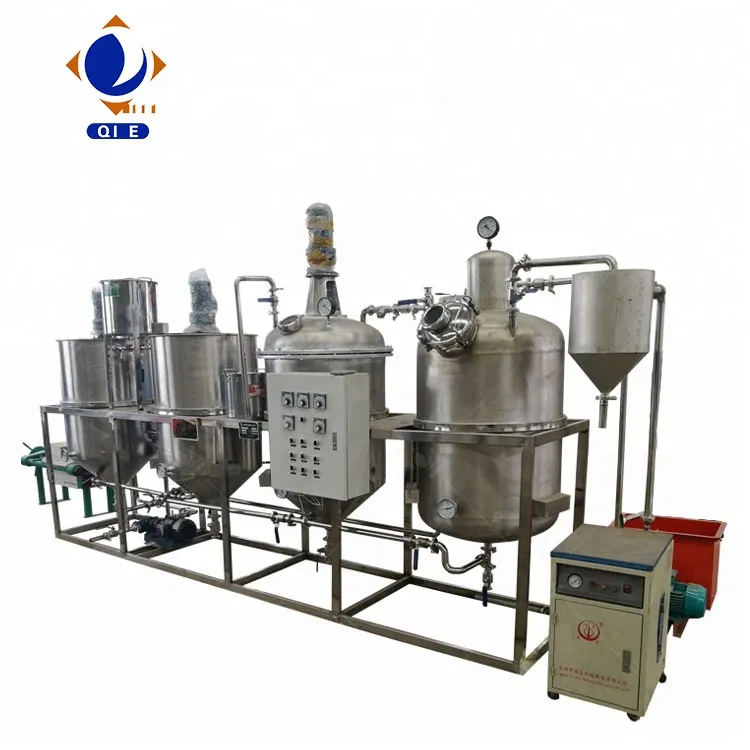
Are you struggling with small-scale palm oil refining? This guide offers a hands-on approach covering the entire refining process, from pre-treatment to deodorization. We'll explore common problems such as low oil yield, unstable quality, and operational errors, and provide effective solutions to enhance your export business.
In the pre-treatment stage, precise parameter settings are crucial. For example, the temperature should be maintained at around 50 - 60°C to ensure effective impurity removal. You need to focus on removing mechanical impurities, gums, and free fatty acids. The use of a well-designed filtration system can significantly reduce the impurity content, improving the efficiency of subsequent processes.
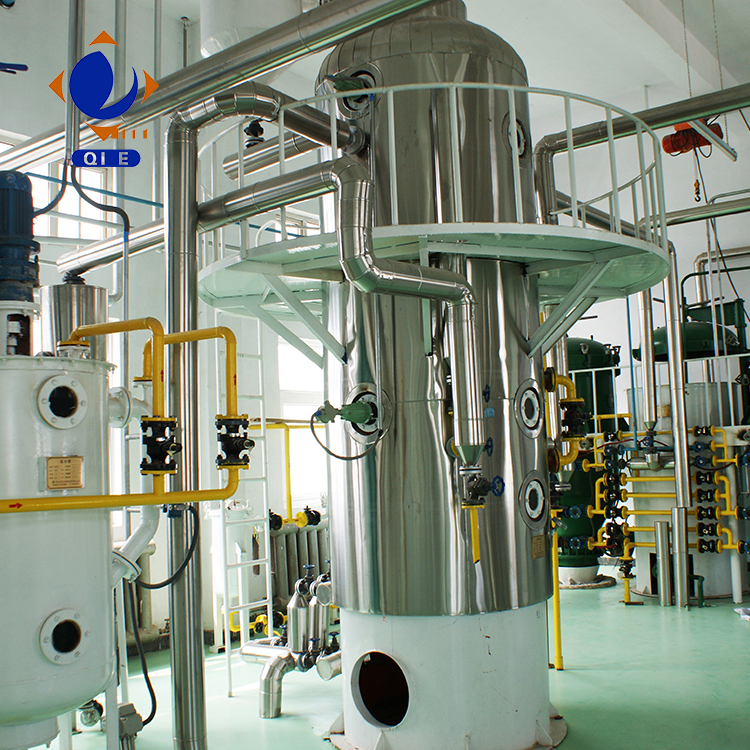
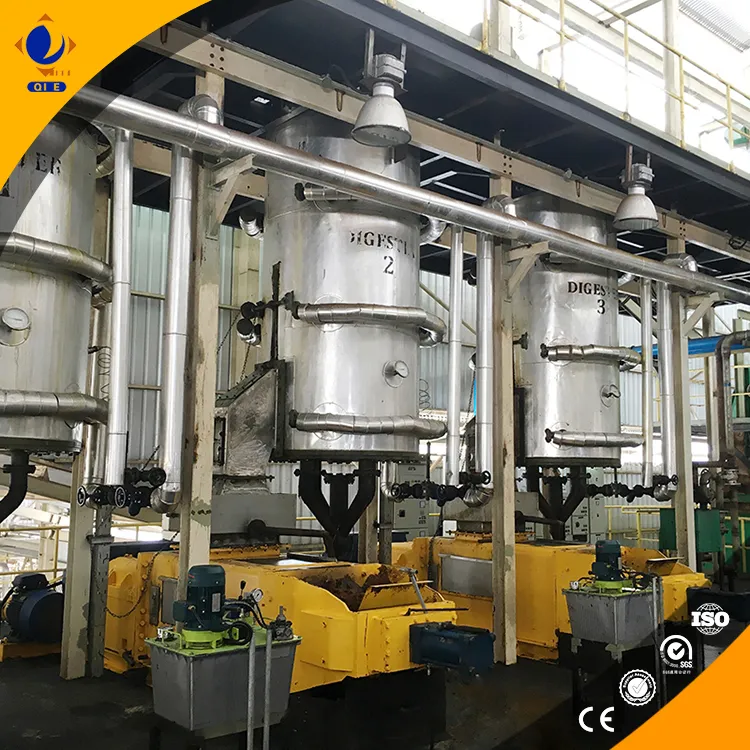
Degumming and deacidification are critical steps, but they often face challenges. Common failure reasons include improper temperature, time, and alkali dosage control. For instance, if the temperature is too high during degumming, it may lead to the formation of emulsions, reducing the degumming effect. You should control the temperature between 60 - 70°C, the time for about 30 - 60 minutes, and adjust the alkali dosage according to the acid value of the crude oil. By optimizing these parameters, you can improve the quality of the refined oil.
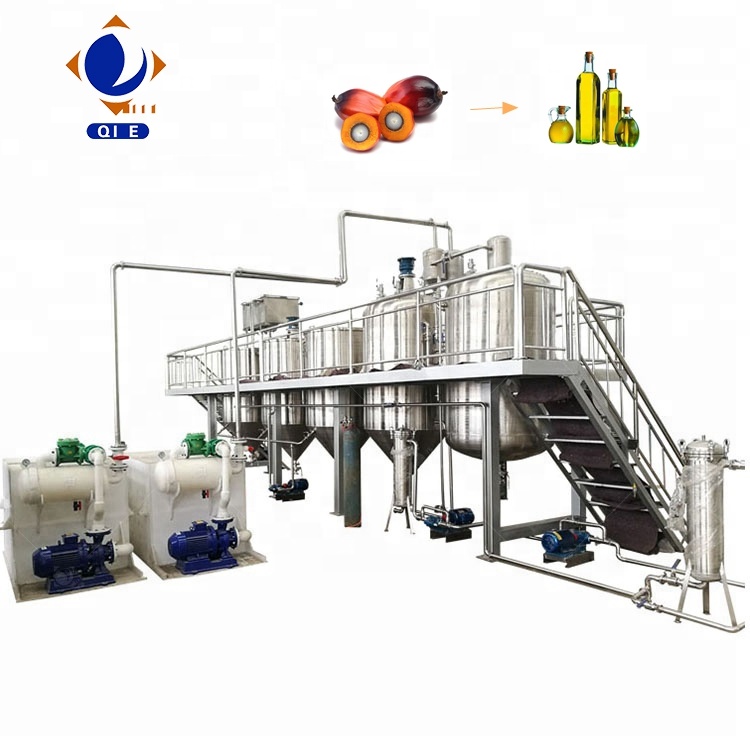
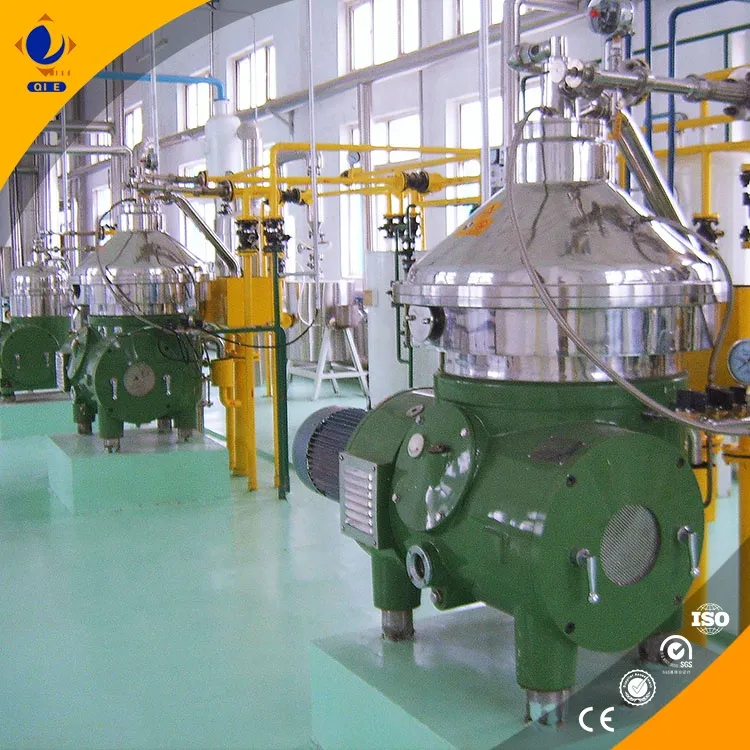
During the bleaching and deodorization processes, balancing efficiency and quality stability is essential. In bleaching, the choice of bleaching earth and the dosage are key factors. A proper dosage of about 2 - 3% can effectively remove pigments and other impurities. In deodorization, the temperature and vacuum degree need to be carefully controlled. A temperature of around 220 - 240°C and a high vacuum degree can ensure the removal of odorous substances while maintaining the quality of the oil.
The application of a PLC (Programmable Logic Controller) system can greatly simplify the operation of the oil refinery. It reduces human errors and ensures safe operation. For example, the PLC system can automatically control the temperature, pressure, and flow rate in each process, providing real-time monitoring and alarms. This not only improves production efficiency but also enhances the safety of the production process.
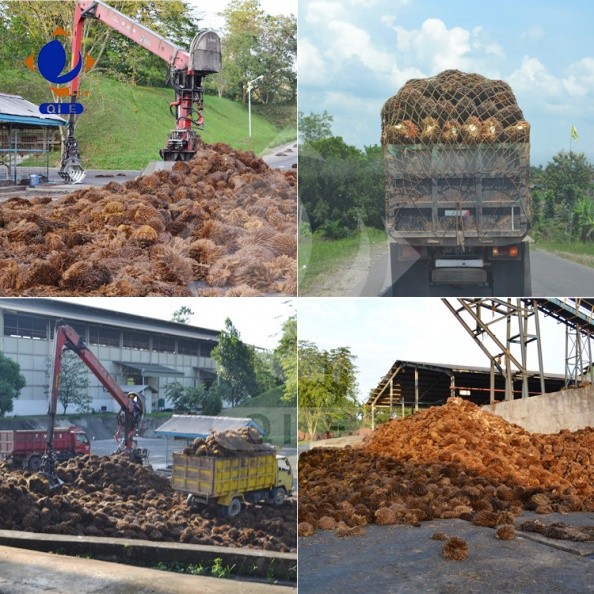
Regular daily maintenance is necessary to ensure the long-term stable operation of the equipment. You should clean the equipment regularly, check the pipelines and valves for leaks, and replace worn parts in time. At the same time, strict safety regulations should be followed to prevent accidents. For example, operators should wear appropriate protective equipment and follow the correct operating procedures.
Our equipment has excellent energy-saving features. For example, the steam consumption is less than 300kg/ton, and the power consumption is also relatively low. In addition, our equipment is certified by ISO, which provides a strong guarantee for the quality and reliability of the products. This not only helps you reduce production costs but also enhances your market competitiveness.
Many small-scale palm oil refineries have benefited from our solutions. For example, a refinery in Africa used our QIE Group mini-refining equipment and increased its oil yield by 10% within a few months. Another customer in Southeast Asia improved the quality of their refined oil and successfully expanded their export business. Here is a quote from one of our satisfied customers: "The QIE Group equipment is easy to operate and maintain, and their after-sales service is excellent. We are very satisfied with our cooperation."
If you are looking for a one-stop solution for small-scale palm oil refining with reliable after-sales support, look no further. Our QIE Group mini-refining equipment has served over 30 countries worldwide. Click here to learn more and contact us for a free consultation.
 Palm oil refining production line
Equipment selection for small and medium - sized enterprises
Palm oil refining process
Grain and oil machinery equipment solutions
Refining deodorization technology
small palm oil refining plant
tropical vs temperate palm oil processing
automated palm oil refining system
degumming and bleaching optimization
PLC control in oil refining
palm oil refining machine maintenance
small palm oil processing plant
refinery equipment troubleshooting
palm oil processing equipment保养
PLC control system maintenance
economic palm oil refining machine
palm oil processing equipment
industrial oil refining process
refinery maintenance tips
small-scale palm oil plant
palm oil refining equipment
energy-efficient oil processing
PLC control system
small palm oil mill solutions
industrial automation in edible oil production
Palm oil refining production line
Equipment selection for small and medium - sized enterprises
Palm oil refining process
Grain and oil machinery equipment solutions
Refining deodorization technology
small palm oil refining plant
tropical vs temperate palm oil processing
automated palm oil refining system
degumming and bleaching optimization
PLC control in oil refining
palm oil refining machine maintenance
small palm oil processing plant
refinery equipment troubleshooting
palm oil processing equipment保养
PLC control system maintenance
economic palm oil refining machine
palm oil processing equipment
industrial oil refining process
refinery maintenance tips
small-scale palm oil plant
palm oil refining equipment
energy-efficient oil processing
PLC control system
small palm oil mill solutions
industrial automation in edible oil production




.png?x-oss-process=image/resize,h_100,m_lfit/format,webp)
.png?x-oss-process=image/resize,h_100,m_lfit/format,webp)
.png?x-oss-process=image/resize,h_100,m_lfit/format,webp)