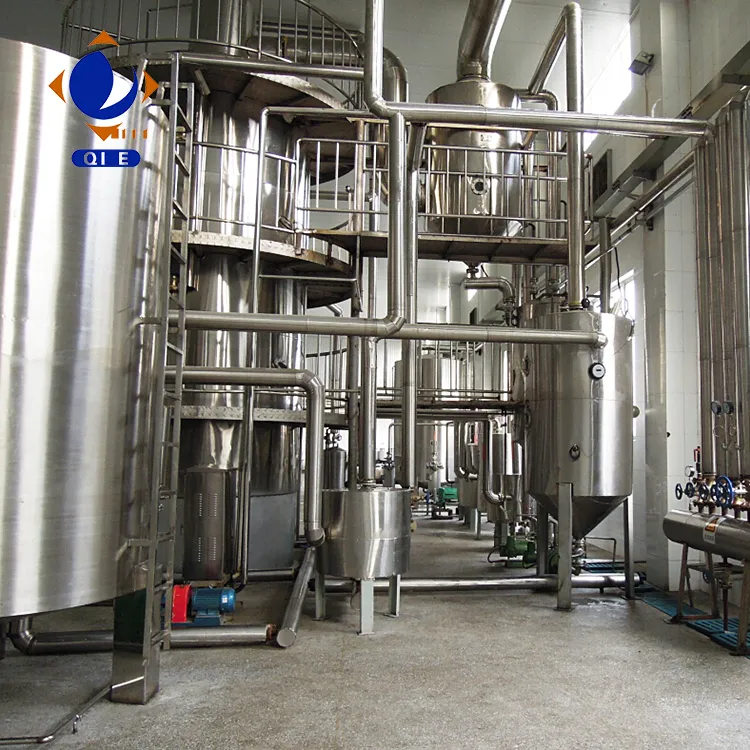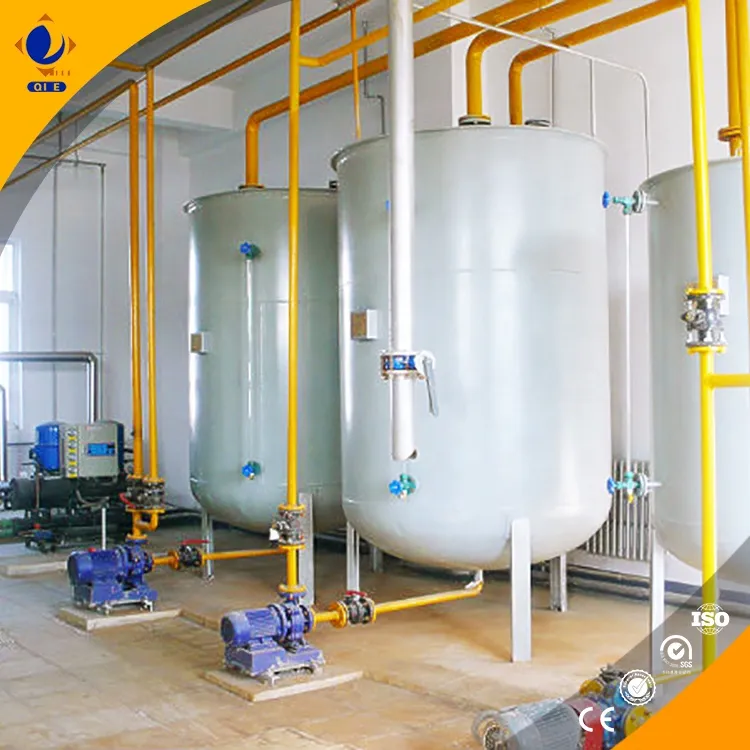
In emerging markets, the challenges posed by high temperature and humidity environments significantly impact the performance and longevity of small-scale edible oil refining equipment. For mid-sized manufacturers, such as those processing up to 10 tons of palm kernel oil daily, maintaining continuous, efficient, and contamination-free operation is paramount. QIE Group’s state-of-the-art 10 tons/day palm kernel oil refining system addresses these challenges through cutting-edge automation, energy-saving designs, and advanced anti-corrosion materials—harmonizing operational stability with international food safety standards like ISO9001 and HACCP.
High temperature (>35°C) and humidity levels (>70%) in tropical and subtropical regions accelerate equipment corrosion and promote microbial growth, which threaten oil quality and system durability. Frequent exposure to such conditions often causes premature wear in carbon steel components, electrical malfunctions, and increased energy consumption due to lower system efficiency.
At the heart of QIE Group’s solution lies an advanced automated control system that continuously monitors temperature, pressure, and flow rates to optimize refining parameters with minimal human intervention. This automation enables consistent oil purity above 99%, simultaneously reducing deviation caused by manual operation.
The equipment utilizes a proven spiral pressing combined with phospholipid extraction technology, which significantly improves yield and oil clarity. Spiral presses ensure mechanical efficiency exceeding 85%, recovering most oil from kernels, while phospholipid extraction reduces impurities effectively, vital in humid climates where oxidative spoilage risk is higher.
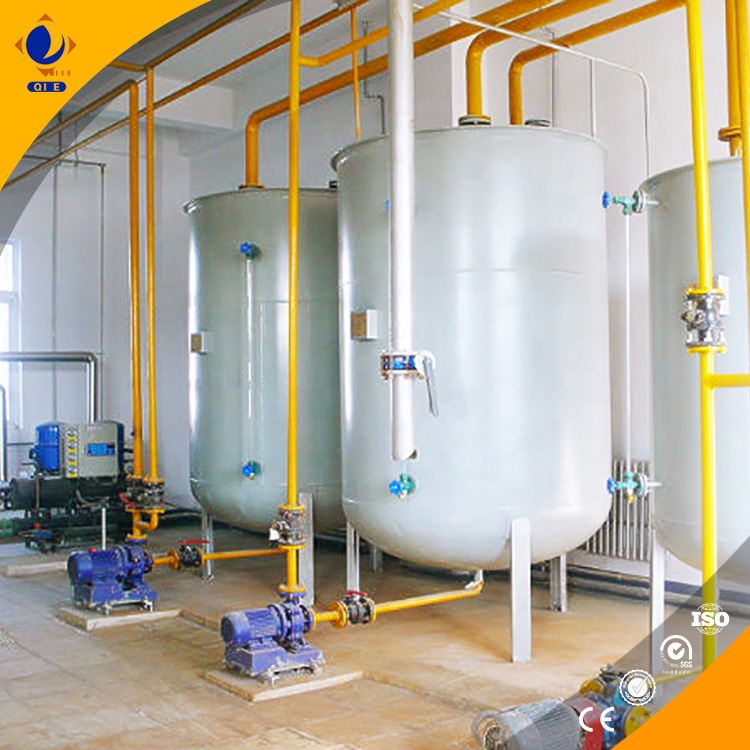
With global energy costs rising, QIE Group’s equipment incorporates green technology to minimize power consumption without compromising capacity. Energy-saving motors and heat recovery units contribute to a 20% reduction in electricity usage compared to conventional units of similar scale. Additionally, process optimization minimizes steam and water consumption by approximately 15%, thereby lowering operational costs and carbon footprint.
To withstand persistent high humidity and saline air, the mainframe employs carbon steel treated with advanced anti-rust coatings that extend equipment lifespan by up to 30%. Critical parts exposed to oil and moisture, including valves and pipelines, are constructed from stainless steel grades compliant with food-grade standards, preventing contamination and corrosion.
Moreover, the design mitigates condensation build-up by integrating climate control elements such as ventilation and dehumidifiers within enclosed compartments. This decreases internal moisture, thus maintaining optimal working conditions for electrical and mechanical components.
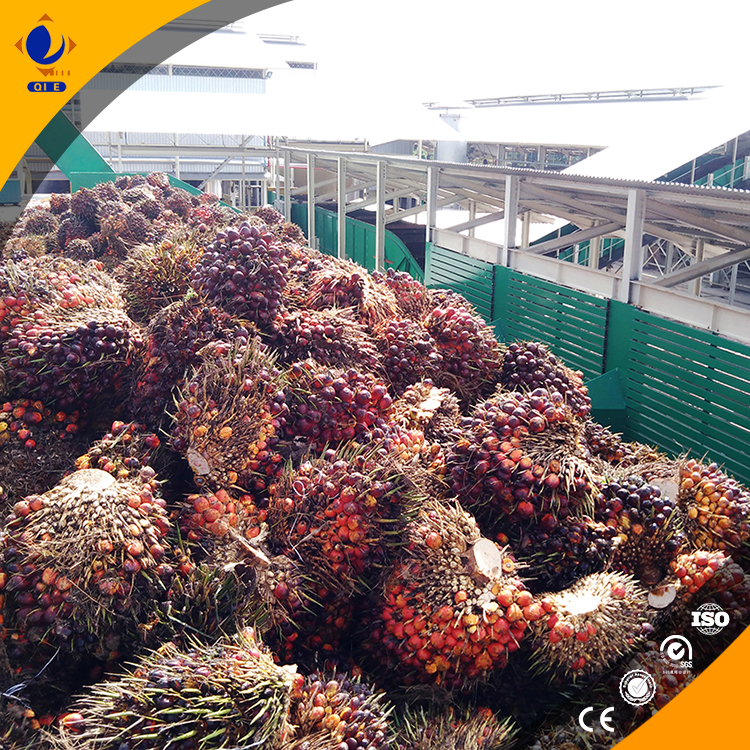
QIE Group’s small-scale refining units fully conform to ISO9001 quality management criteria and HACCP food safety protocols, crucial for gaining trust in global markets. This guarantees traceability, hygiene, and risk control during the entire refining process.
| Standard | Key Requirements | Implementation Highlights |
|---|---|---|
| ISO9001 | Quality management system, continuous improvement | Automated data logging, routine equipment maintenance schedules |
| HACCP | Hazard analysis and critical control points | Automated hazard alerts, sanitary design of contact surfaces |
In South East Asia, a mid-sized producer implementing QIE Group’s 10-ton/day system reported a 15% increase in oil extraction efficiency and reduced downtime by 25% within the first six months. This translated into an average increase of 8% in profit margins, attributed to lower energy bills and minimal quality issues.
Meanwhile, African refiners have benefited from the equipment’s robust corrosion resistance, with field reports indicating minimal maintenance issues despite ambient conditions exceeding industry stress test levels. This reliability supports continuous supply chain fulfillment and adherence to export food safety regulations.
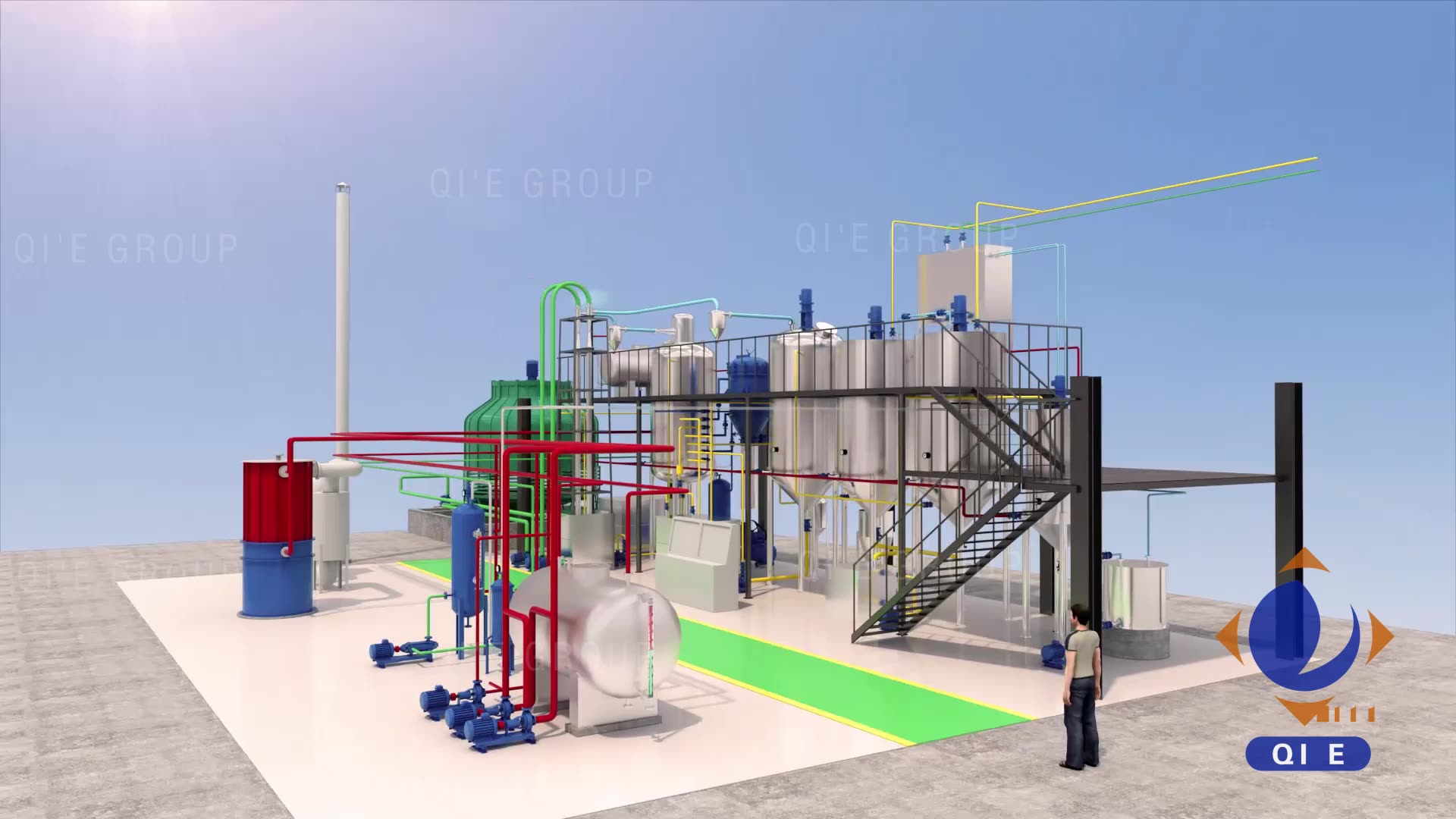
 palm oil refining equipment
small palm oil processing plant
palm oil refining process
equipment selection for palm oil
export-ready palm oil production
Small and medium - sized palm oil refining production line
Palm oil refining process
Economical grain and oil equipment
Integration of palm fruit pressing and refining
Application of PLC control system in oil processing
Palm oil refining equipment
PLC automatic control system
Automation transformation of small and medium - scale oil plants
Cold and hot pressing processes
Upgrading of grain and oil processing equipment
Palm oil refining production line
Equipment selection guide
Small and medium - sized enterprises
Palm fruit pressing
Process flow analysis
Modular palm oil refining equipment
National patent technologies
Energy efficiency improvement
Small and medium-sized palm oil processing
Equipment energy-saving solutions
palm oil refining equipment
small palm oil processing plant
palm oil refining process
equipment selection for palm oil
export-ready palm oil production
Small and medium - sized palm oil refining production line
Palm oil refining process
Economical grain and oil equipment
Integration of palm fruit pressing and refining
Application of PLC control system in oil processing
Palm oil refining equipment
PLC automatic control system
Automation transformation of small and medium - scale oil plants
Cold and hot pressing processes
Upgrading of grain and oil processing equipment
Palm oil refining production line
Equipment selection guide
Small and medium - sized enterprises
Palm fruit pressing
Process flow analysis
Modular palm oil refining equipment
National patent technologies
Energy efficiency improvement
Small and medium-sized palm oil processing
Equipment energy-saving solutions
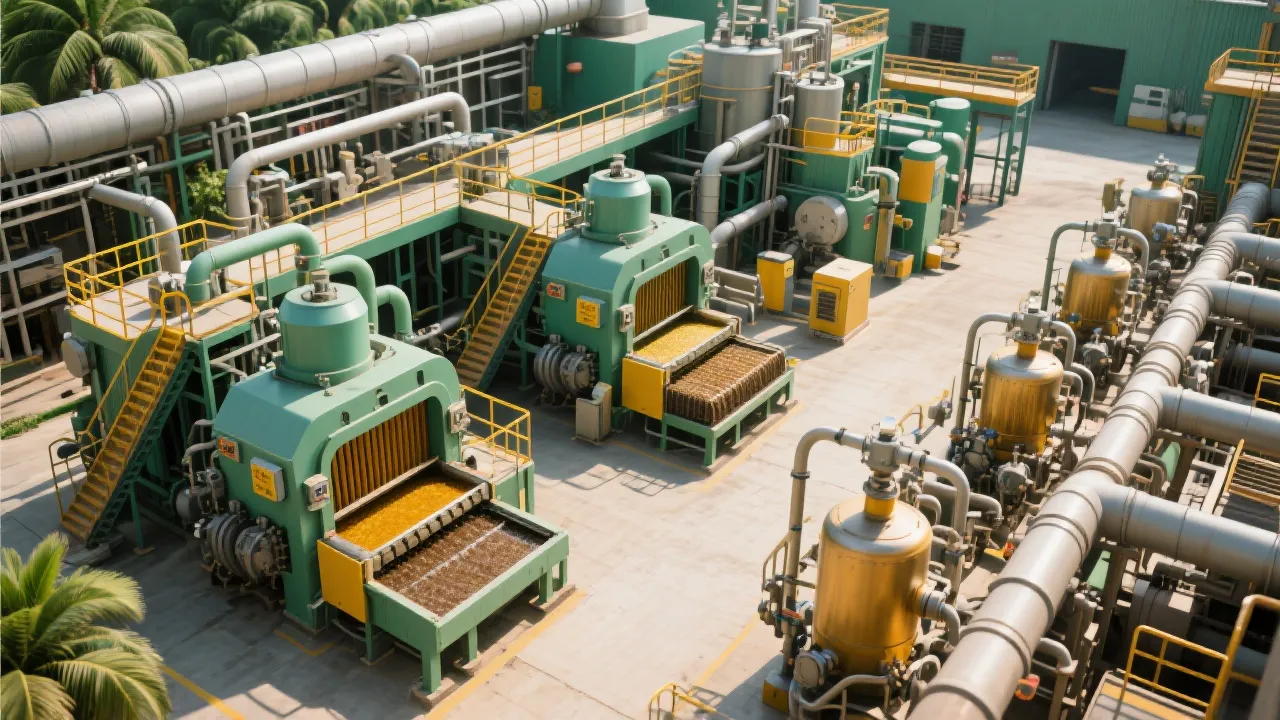




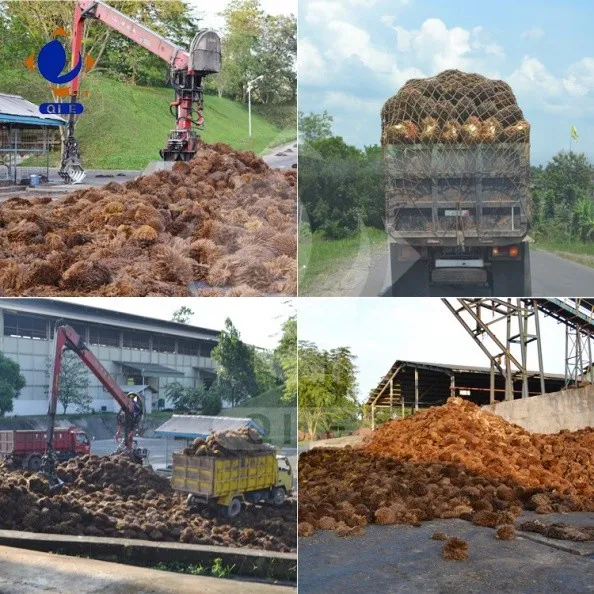


.png?x-oss-process=image/resize,h_100,m_lfit/format,webp)
.png?x-oss-process=image/resize,h_100,m_lfit/format,webp)
.png?x-oss-process=image/resize,h_100,m_lfit/format,webp)