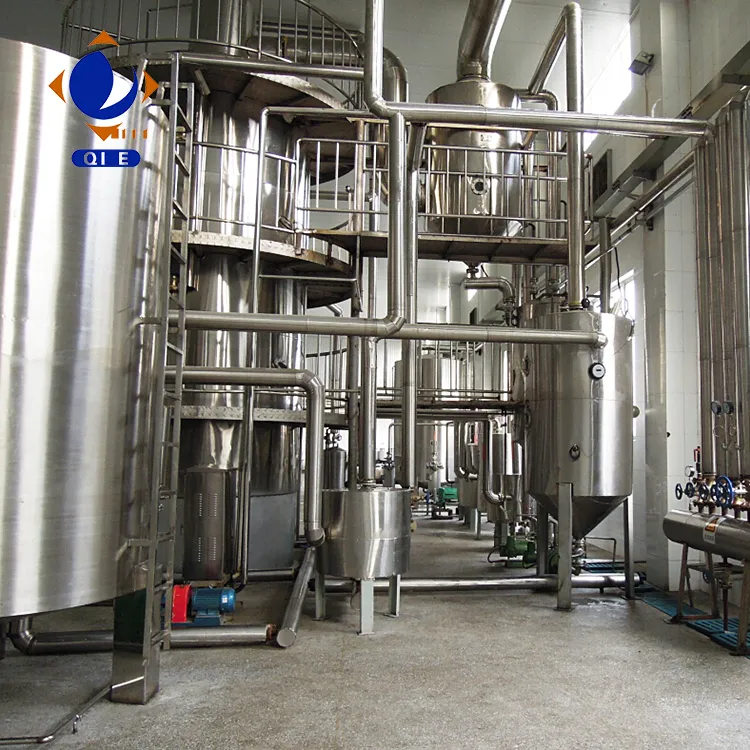
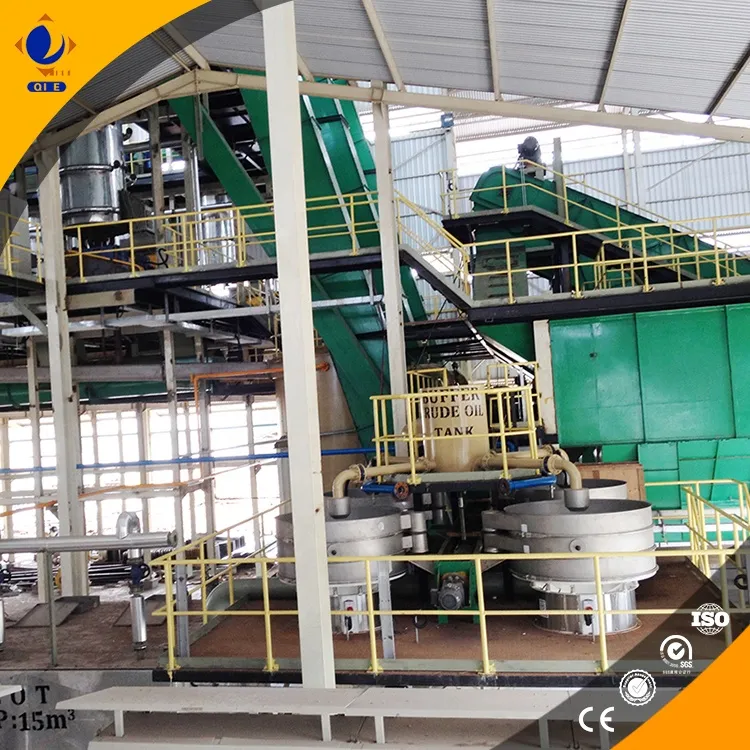
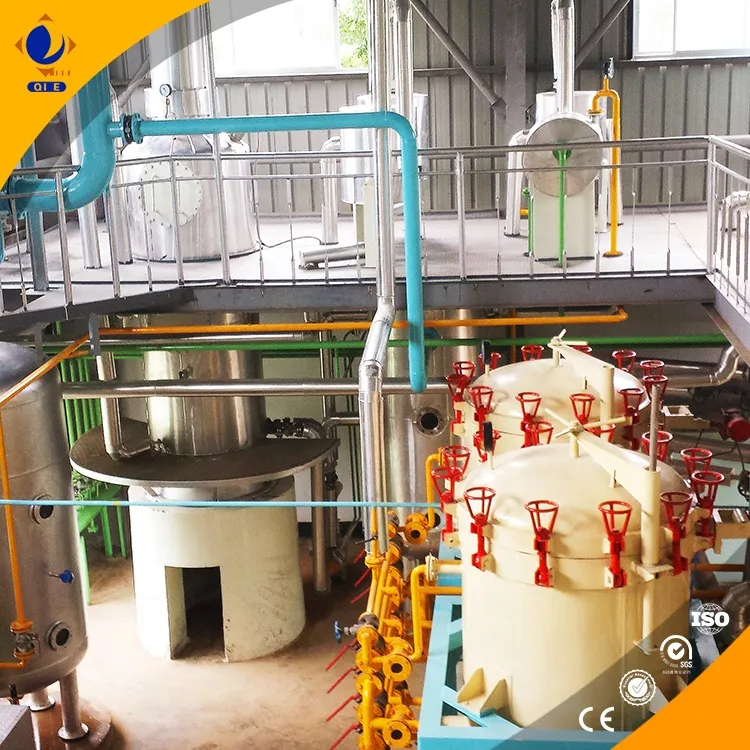
As emerging markets in Asia, Africa, and South America witness accelerating demand for edible oils, medium and small-sized producers face mounting pressure to optimize refining processes without compromising quality or sustainability. The 10-ton-per-day (TPD) small-scale palm kernel oil refining equipment, equipped with advanced automation, energy-saving innovations, and compliance with global food safety standards, emerges as a pivotal solution designed specifically for scalable, localized production. This article dissects the core technologies enabling its high efficiency and stability across diverse operational environments while highlighting its strategic importance in maximizing investment returns for growers and processors alike.
The rising population and changing dietary preferences in emerging economies have intensified the demand for refined edible oils, particularly palm kernel oil, due to its favorable fatty acid profile and affordability. However, operators face multiple challenges including inconsistent raw material quality, fluctuating power supplies, and limited technical expertise. Small-to-medium enterprises (SMEs) thus require modular, robust equipment that can operate efficiently in variable climatic and infrastructural conditions while meeting international quality benchmarks such as ISO 22000 and HACCP.
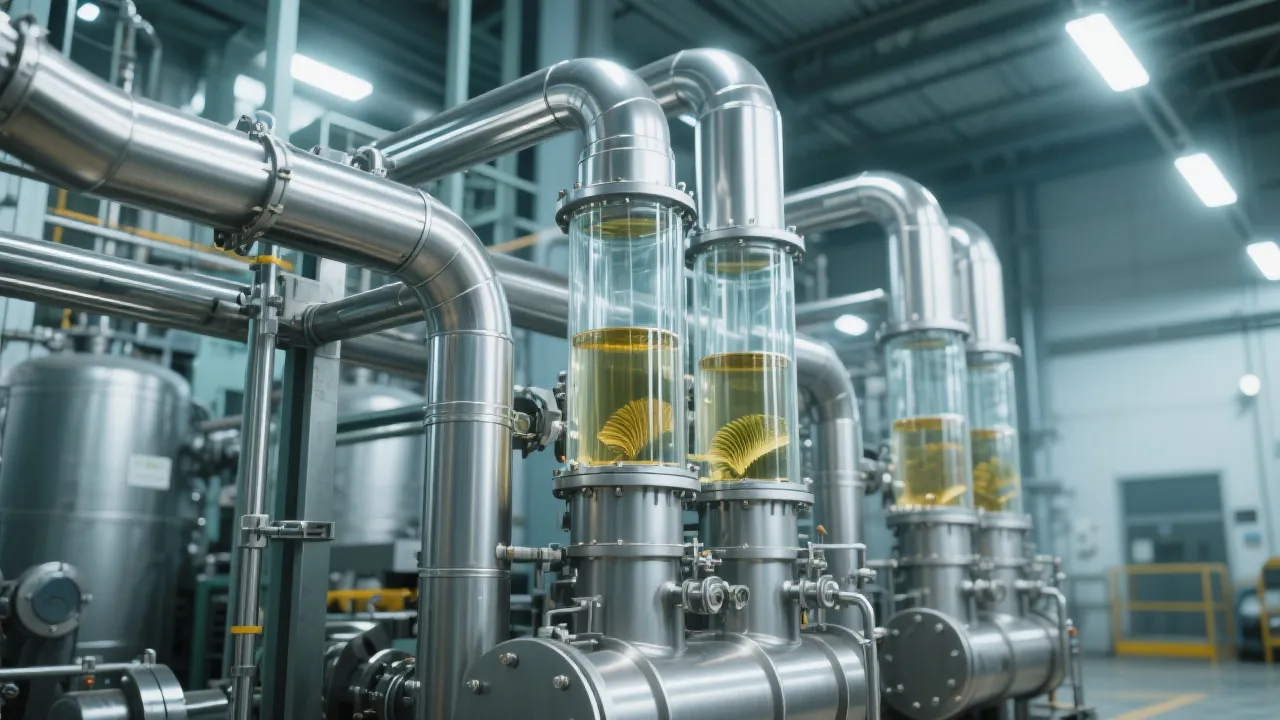
At the heart of the 10 TPD palm kernel oil refining system lies its highly efficient spiral pressing mechanism designed to optimize oil yield from kernels with minimal wastage. This is complemented by an integrated phospholipid extraction unit that effectively removes gums and impurities. The synergy of mechanical pressing with biochemical treatment ensures superior oil clarity and stability. Operating parameters such as pressing torque and temperature are precisely controlled to maintain optimal throughput without degrading oil quality.
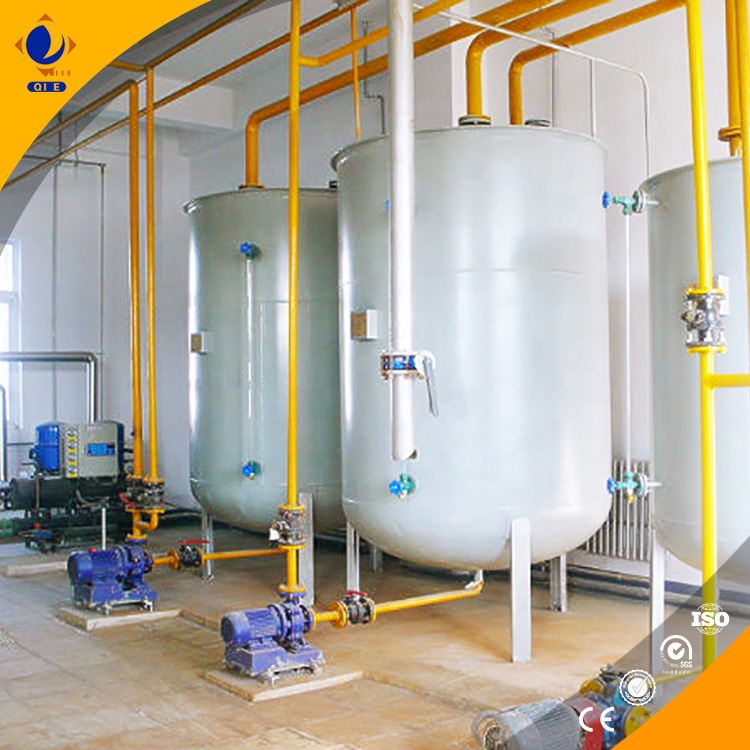
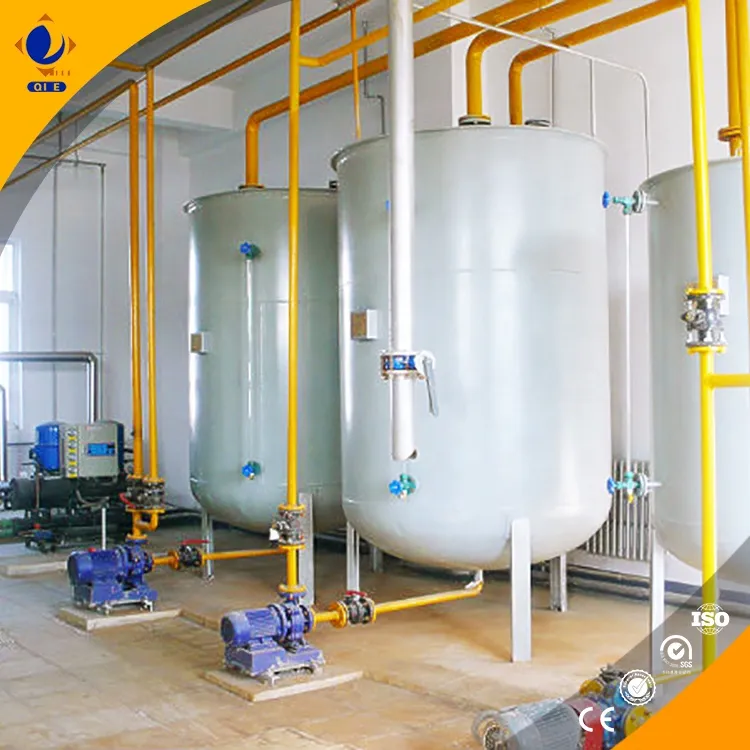
Modern automation systems embedded in these refining units leverage PLC controllers and real-time sensors to monitor temperature, pressure, and flow rate continuously. Such control strategies assure consistent performance even under variable input qualities. The use of reputable global brand components—such as Siemens motors and Mitsubishi inverters—further ensures durability and reduces downtime. This translates into predictable maintenance cycles and sustained productivity, critical for SMEs reliant on uninterrupted operations.
Green engineering is integral to the equipment’s architecture, incorporating heat recovery modules and energy-efficient pumps that reduce electricity consumption by up to 20% compared to legacy units. These features enable compliance with international food safety norms, notably the ISO 22000 food safety management system and HACCP hazard analysis and critical control points requirements. Such standards are increasingly mandated by export markets, reinforcing product acceptance and safeguarding consumer health.
Operational resilience is a hallmark of these modular units, evidenced by successful deployments across humid tropical zones and arid regions. Customizable process settings allow tailoring of refining parameters to local kernel varieties and moisture contents, mitigating quality fluctuations. Field data indicate uptime rates exceeding 92% in challenging environments, underscoring the equipment’s ability to maintain consistent oil output and meet delivery deadlines.

The system’s modular configuration streamlines transportation, with components designed for compact packing and rapid onsite assembly. This feature significantly cuts lead times, facilitating faster market entry. Additionally, an extensive global support network provides remote diagnostics, spare parts availability, and technical training—critical success factors for enterprises operating far from manufacturing hubs.
Financial assessments reveal that the capital expenditure for a 10 TPD unit typically pays off within 18-24 months through enhanced yield, reduced operating costs, and premium pricing achievable under stringent quality certifications. Beyond economics, the technology fosters sustainable agricultural practices by enabling localized processing, reducing transportation emissions, and minimizing waste. Collectively, these attributes empower emerging market stakeholders to secure competitive advantages and long-term viability.
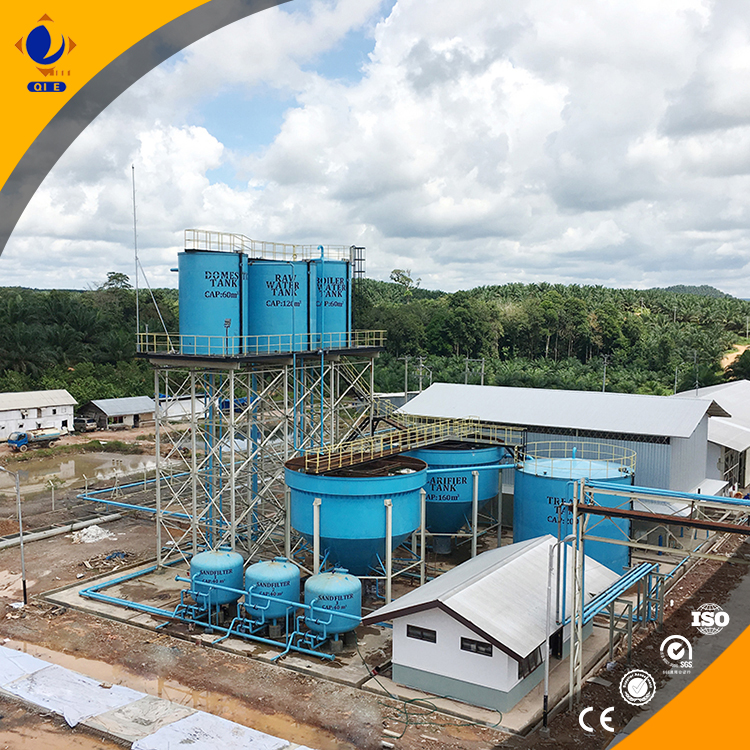
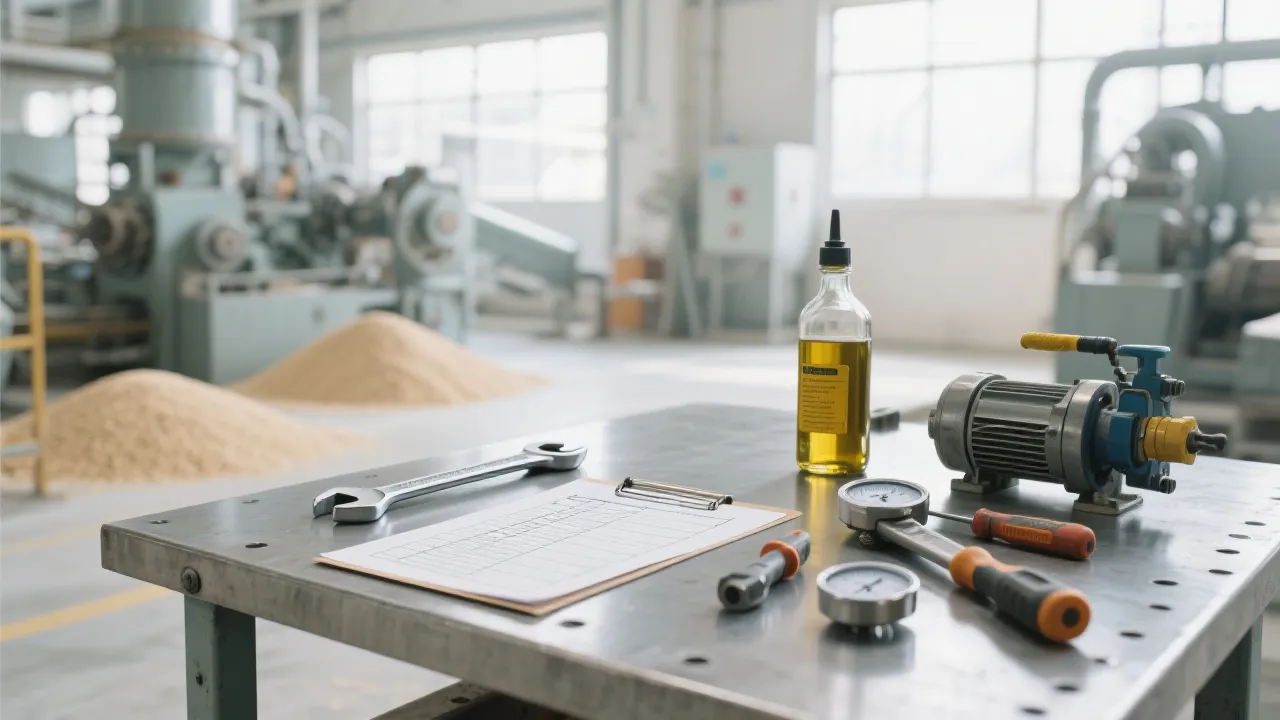
Comprehensive technical manuals and routine maintenance protocols are integral to sustaining equipment efficiency and lifespan. Operators are advised to implement preventive maintenance schedules focusing on lubrication, filter replacement, and control system updates. Remote monitoring tools aid in early fault detection, reducing costly downtime. These measures ensure smooth production cycles that meet evolving market demands.
 Modular palm oil refining equipment
Equipment selection for small and medium - sized enterprise oil mills
Comparison of palm oil refining equipment
Environment - friendly and energy - saving oil mill equipment
Upgrade of palm oil processing equipment
small palm oil refining equipment
palm oil refining process
PLC control system
refinery maintenance safety
small scale oil processing
small-scale palm oil refining line solutions
cost-effective palm oil refining equipment
fully automated palm oil processing line
palm oil machinery for SMEs
integrated palm fruit pressing and refining
small palm oil refining plant
tropical vs temperate palm oil processing
automated palm oil refining system
degumming and bleaching optimization
PLC control in oil refining
small scale palm oil refining
palm oil refining parameters
palm oil deodorization process
PLC control in oil refining
palm oil quality optimization
Modular palm oil refining equipment
Equipment selection for small and medium - sized enterprise oil mills
Comparison of palm oil refining equipment
Environment - friendly and energy - saving oil mill equipment
Upgrade of palm oil processing equipment
small palm oil refining equipment
palm oil refining process
PLC control system
refinery maintenance safety
small scale oil processing
small-scale palm oil refining line solutions
cost-effective palm oil refining equipment
fully automated palm oil processing line
palm oil machinery for SMEs
integrated palm fruit pressing and refining
small palm oil refining plant
tropical vs temperate palm oil processing
automated palm oil refining system
degumming and bleaching optimization
PLC control in oil refining
small scale palm oil refining
palm oil refining parameters
palm oil deodorization process
PLC control in oil refining
palm oil quality optimization







.png?x-oss-process=image/resize,h_100,m_lfit/format,webp)
.png?x-oss-process=image/resize,h_100,m_lfit/format,webp)
.png?x-oss-process=image/resize,h_100,m_lfit/format,webp)