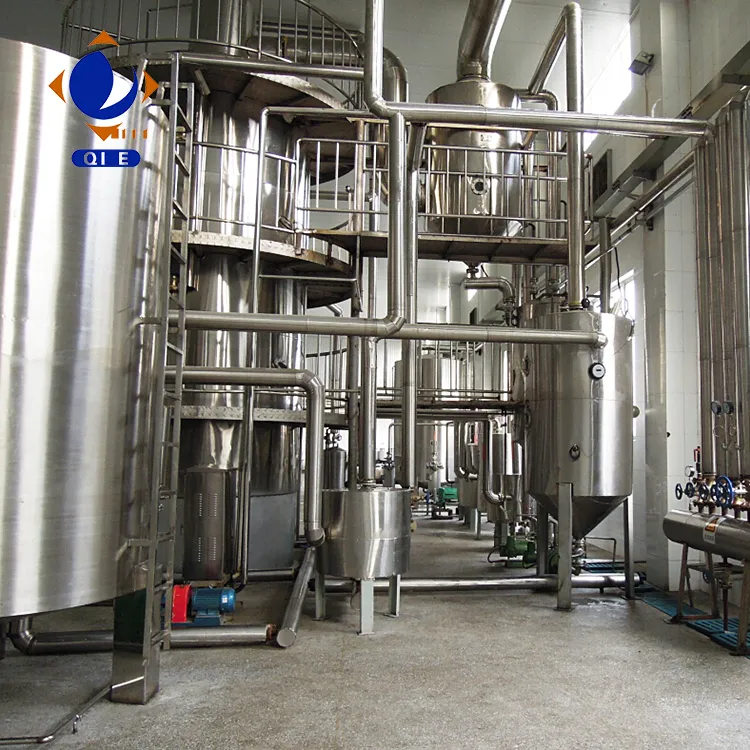
For small to mid-scale palm oil processors, achieving consistent high yield and premium product quality isn’t just about equipment—it’s about mastering the core refining parameters: temperature, pressure, and time at each stage. With the right settings, you can boost extraction efficiency by up to 8–12% while reducing waste and energy consumption.
| Stage | Temp (°C) | Pressure (kPa) | Time (min) | Impact on Yield/Quality |
|---|---|---|---|---|
| Pre-treatment (Washing/Dewatering) | 60–70 | Atmospheric | 15–20 | Reduces moisture, improves clarity |
| Degumming | 80–90 | Slight vacuum (-10 kPa) | 10–15 | Removes phospholipids, boosts stability |
| Neutralization (Deacidification) | 95–105 | Atmospheric | 20–30 | Minimizes soapstock loss, increases FFA reduction |
| Bleaching | 100–110 | Vacuum (-50 kPa) | 30–45 | Removes pigments, reduces peroxide value |
| Deodorization | 230–250 | High vacuum (-90 kPa) | 60–90 | Eliminates odor compounds, stabilizes oil |
In real-world operations, many small mills set temperatures too high or times too short—leading to overheating, degradation of tocopherols, and lower final yields. A case study from a Malaysian co-op using Qingdao Penguin Group's PLC-controlled refiners showed a 10% increase in crude oil recovery after optimizing these parameters over three months, with fewer rejects due to off-flavors.
Manual adjustments are prone to human error—especially when operators switch shifts or lack training. Our clients report that implementing automated PLC systems reduced parameter deviation by 70%, leading to more predictable outcomes. These systems also log data automatically, which helps identify trends like rising viscosity or inconsistent pressure drops that could signal early equipment wear.
Proper maintenance matters just as much as setup. For example, cleaning the bleaching column every 30 days prevents carbon buildup that can reduce adsorption efficiency by up to 25%. Always monitor steam pressure during deodorization—it must stay above 0.8 MPa to ensure effective removal of volatile compounds without damaging the oil.


.png?x-oss-process=image/resize,h_100,m_lfit/format,webp)
.png?x-oss-process=image/resize,h_100,m_lfit/format,webp)
.png?x-oss-process=image/resize,h_100,m_lfit/format,webp)