

For entrepreneurs entering the palm oil refining industry—especially those operating small to medium-sized facilities—the path to consistent quality and safe production starts with understanding daily maintenance and operational best practices. At Penguin Group, we’ve designed compact palm oil refining systems tailored for startups and regional producers who need reliable performance without compromising on safety or output.
According to industry data, over 40% of unplanned downtime in small-scale oil refineries stems from poor preventive maintenance. This isn't just about equipment longevity—it’s about minimizing waste, ensuring product consistency, and protecting your team. For example, a simple misalignment in the deodorizer's vacuum pump can reduce oil yield by up to 5–7%, directly impacting profitability.
| Process Step | Key Parameter Range | Impact of Deviation |
|---|---|---|
| Pre-treatment (Clarification) | Temperature: 65–75°C | Too low → sediment remains; too high → oxidation risk |
| Deacidification | NaOH concentration: 0.5–1.2% | Overuse → soap stock formation; underuse → residual acidity |
| Decolorization | Activated carbon dosage: 0.8–1.5% | Excess → darkening; insufficient → poor color clarity |
Modern mini-refinery units now integrate PLC (Programmable Logic Controller) systems that automate critical steps like temperature regulation, pressure control, and chemical dosing. In real-world applications, this reduces human error by an average of 60% and allows operators—even new ones—to run complex processes confidently. One Malaysian user reported cutting their learning curve from 3 months to just 4 weeks after implementing our smart control interface.
These systems also alert users before faults occur. For instance, if the steam pressure drops below optimal levels during the deodorization phase, the system pauses automatically—not waiting for visible damage. That kind of proactive safeguard is essential when you're managing limited resources and tight margins.
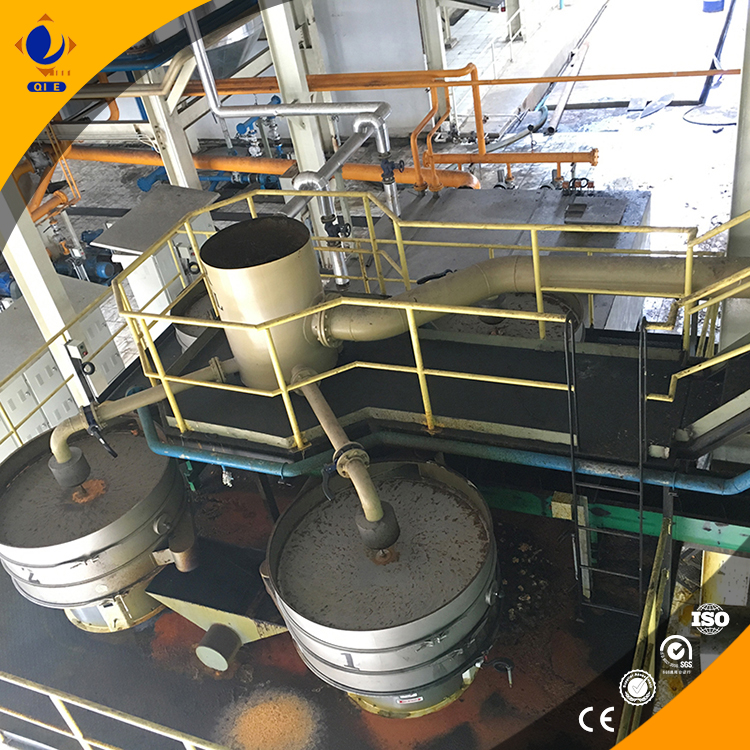
Even small-scale operations must follow strict safety protocols. The U.S. Chemical Safety Board reports that nearly 30% of refinery incidents involve improper handling of hot oils or pressurized vessels. To avoid such risks:
Consistency in these routines doesn’t just protect lives—it builds trust with buyers. Whether you’re supplying local markets or exporting to Southeast Asia, clean, traceable, and well-documented processes are increasingly expected by B2B clients.
Discover how Penguin Group’s compact palm oil refining solutions help startups like yours scale efficiently—with built-in automation, expert support, and proven reliability.
Explore Our Mini Refinery Systems


.png?x-oss-process=image/resize,h_100,m_lfit/format,webp)
.png?x-oss-process=image/resize,h_100,m_lfit/format,webp)
.png?x-oss-process=image/resize,h_100,m_lfit/format,webp)


