
You’re likely familiar with the daily challenge: your team works long hours, yet inconsistent quality and frequent breakdowns keep production from scaling. In Nigeria, Ghana, and Kenya, many small palm oil mills still rely on manual operations—leading to an average of 40% higher labor costs and up to 25% more energy waste compared to automated systems.
In traditional setups, operators adjust temperature, pressure, and timing based on experience—not data. This leads to:
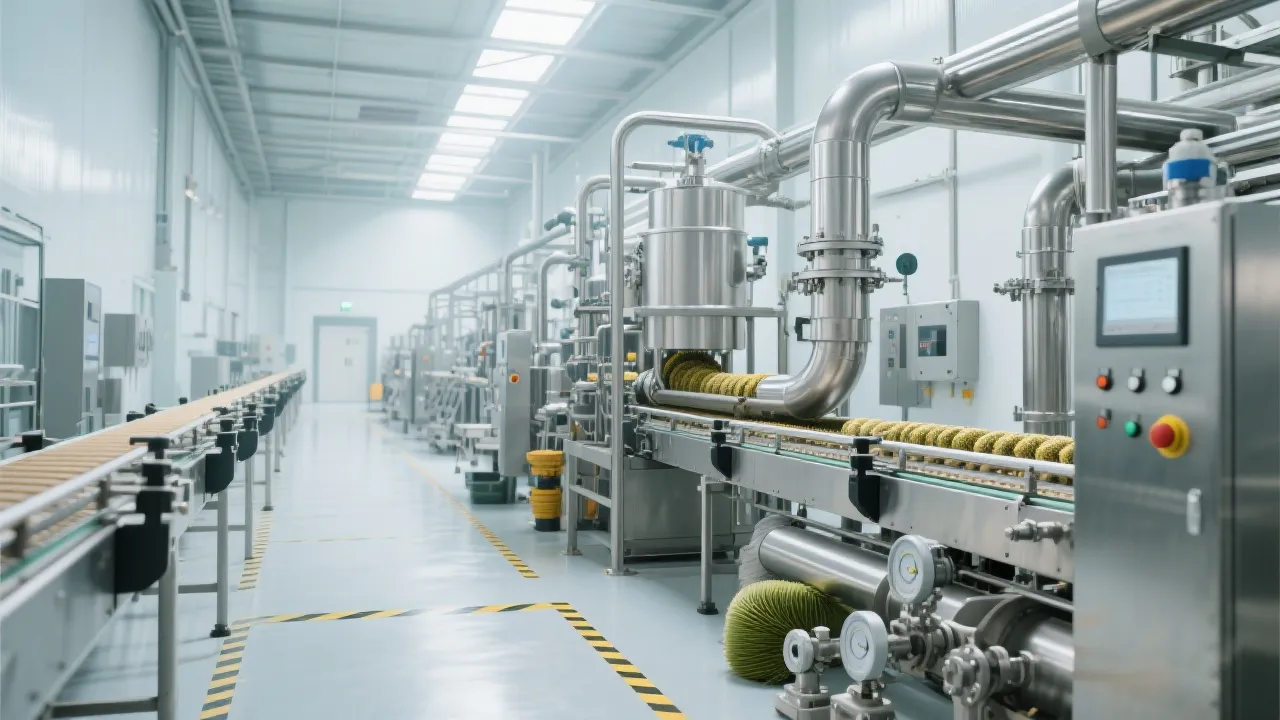
With a PLC-based system, you get real-time feedback loops across all stages—from raw material handling to final packaging. For example, our clients in Benue State report that after installing a closed-loop control system:
“We reduced staffing from 6 to 3 people per shift, cut fuel consumption by 18%, and saw fewer customer complaints about off-flavors.”
Many systems fail in tropical environments because they don’t account for voltage instability (commonly between 230V–430V). Our controllers are built with:
These features mean less downtime—and more predictable output. One mill in Port Harcourt achieved 98% uptime over 6 months using our standard configuration, even during peak rainy season when grid stability drops.
If your factory is struggling with inconsistent yields or high turnover among staff, it’s time to ask: Is your process scalable—or just surviving?
We’ve designed a simple 3-step checklist for small mills looking to transition:
And yes—it’s not just about saving money. With automation, your oil meets EU and ASEAN standards for purity and consistency, opening export opportunities that were previously out of reach.
 palm oil refining production line
palm fruit pressing
oil quality improvement
equipment selection guide
small and medium palm oil processing
small-scale palm oil refining
palm oil refining equipment
PLC controlled palm oil refinery
palm oil processing steps
mini palm oil plant operation
Palm oil refining equipment
Small and medium - sized palm oil production lines
Full - process automation
Production efficiency improvement
Climate adaptability
palm oil refining process
small palm oil refinery
refining equipment selection
palm oil processing technology
edible oil refining solutions
carbon steel modular refining equipment
palm oil refinery equipment selection
modular palm oil refining technology
energy-efficient palm oil processing
SME oil refinery solutions
palm oil refining production line
palm fruit pressing
oil quality improvement
equipment selection guide
small and medium palm oil processing
small-scale palm oil refining
palm oil refining equipment
PLC controlled palm oil refinery
palm oil processing steps
mini palm oil plant operation
Palm oil refining equipment
Small and medium - sized palm oil production lines
Full - process automation
Production efficiency improvement
Climate adaptability
palm oil refining process
small palm oil refinery
refining equipment selection
palm oil processing technology
edible oil refining solutions
carbon steel modular refining equipment
palm oil refinery equipment selection
modular palm oil refining technology
energy-efficient palm oil processing
SME oil refinery solutions





.png?x-oss-process=image/resize,h_100,m_lfit/format,webp)
.png?x-oss-process=image/resize,h_100,m_lfit/format,webp)
.png?x-oss-process=image/resize,h_100,m_lfit/format,webp)


