

As a manager or technical expert in a small or medium-sized oil mill, you're likely familiar with the persistent challenges of low oil yield, inconsistent product quality, and high energy consumption. These issues not only affect your bottom line but also limit your ability to compete in the international market. However, by leveraging the combined cold and hot pressing processes for palm oil refining, you can overcome these obstacles and achieve more efficient and profitable operations.
Let's start by exploring the unique benefits of cold and hot pressing and their respective use cases. Cold pressing is a gentle extraction method that operates at relatively low temperatures, typically below 60°C. This process helps preserve the natural nutrients, antioxidants, and flavor compounds in the palm oil, resulting in a high - quality, health - conscious product. Cold - pressed palm oil is ideal for applications where maintaining nutritional value is a priority, such as in the food and cosmetic industries.
On the other hand, hot pressing involves heating the palm kernels to higher temperatures, usually between 100 - 120°C. This increased heat softens the oil - bearing cells, allowing for a more efficient release of oil. As a result, hot pressing generally yields a higher volume of oil compared to cold pressing. It is well - suited for large - scale production where maximizing output is the primary goal.
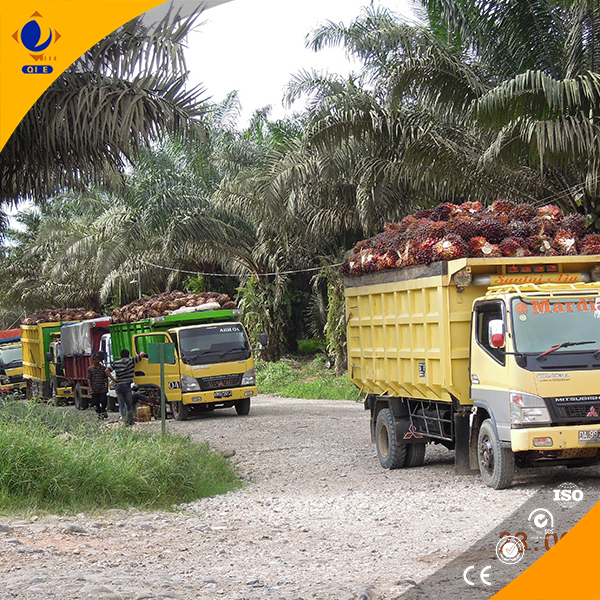
Combining cold and hot pressing can offer the best of both worlds. The key to successful synergy lies in precise control of the process parameters. For temperature control, during the cold - pressing stage, maintaining a temperature range of 40 - 60°C ensures the retention of nutrients. In the hot - pressing phase, a temperature between 100 - 120°C is recommended to optimize oil extraction.
Another critical aspect is improving the degumming efficiency. Degumming is the process of removing phosphatides from the crude oil, which can affect the stability and quality of the final product. By adjusting the pH and temperature during the degumming process, you can significantly enhance the removal rate of phosphatides, achieving a degumming efficiency of up to 95%.
In real - world operations, you may encounter some common problems. For example, severe emulsification can occur during the refining process, which can complicate the separation of oil and water. When this happens, optimizing the water - washing step can be an effective solution. By adjusting the water temperature, flow rate, and washing time, you can break the emulsion and improve the separation efficiency.
Adopting the combined cold and hot pressing process can also help your oil mill meet international quality standards. International markets have strict regulations regarding the nutritional content, purity, and stability of palm oil. By precisely controlling the process parameters and ensuring high - quality refining, you can produce palm oil that complies with these standards, opening up new opportunities for export.
We encourage you to leave your questions in the comment section below. Our team of experts will be happy to assist you.
Ready to revolutionize your palm oil refining process? 立即了解企鹅集团高效棕榈油精炼解决方案 (Immediately learn about the efficient palm oil refining solutions from QIE Group)
 palm oil refining equipment
daily maintenance checklist
safety standards for oil processing
PLC control system in refining
small-scale palm oil production
Modular palm oil refining equipment
Equipment selection for small and medium - sized enterprise oil mills
Comparison of palm oil refining equipment
Environment - friendly and energy - saving oil mill equipment
Upgrade of palm oil processing equipment
small palm oil refining equipment
palm oil refining process
PLC control system
refinery maintenance safety
small scale oil processing
economical palm oil refining machine
small palm oil processing equipment
palm oil refining process
refinery maintenance tips
production efficiency improvement
Small-scale palm oil refining process
Palm oil degumming and deacidification process
PLC-controlled refining equipment
Practical guide for small oil mills
Palm oil refining parameter settings
palm oil refining equipment
daily maintenance checklist
safety standards for oil processing
PLC control system in refining
small-scale palm oil production
Modular palm oil refining equipment
Equipment selection for small and medium - sized enterprise oil mills
Comparison of palm oil refining equipment
Environment - friendly and energy - saving oil mill equipment
Upgrade of palm oil processing equipment
small palm oil refining equipment
palm oil refining process
PLC control system
refinery maintenance safety
small scale oil processing
economical palm oil refining machine
small palm oil processing equipment
palm oil refining process
refinery maintenance tips
production efficiency improvement
Small-scale palm oil refining process
Palm oil degumming and deacidification process
PLC-controlled refining equipment
Practical guide for small oil mills
Palm oil refining parameter settings






.png?x-oss-process=image/resize,h_100,m_lfit/format,webp)
.png?x-oss-process=image/resize,h_100,m_lfit/format,webp)
.png?x-oss-process=image/resize,h_100,m_lfit/format,webp)


