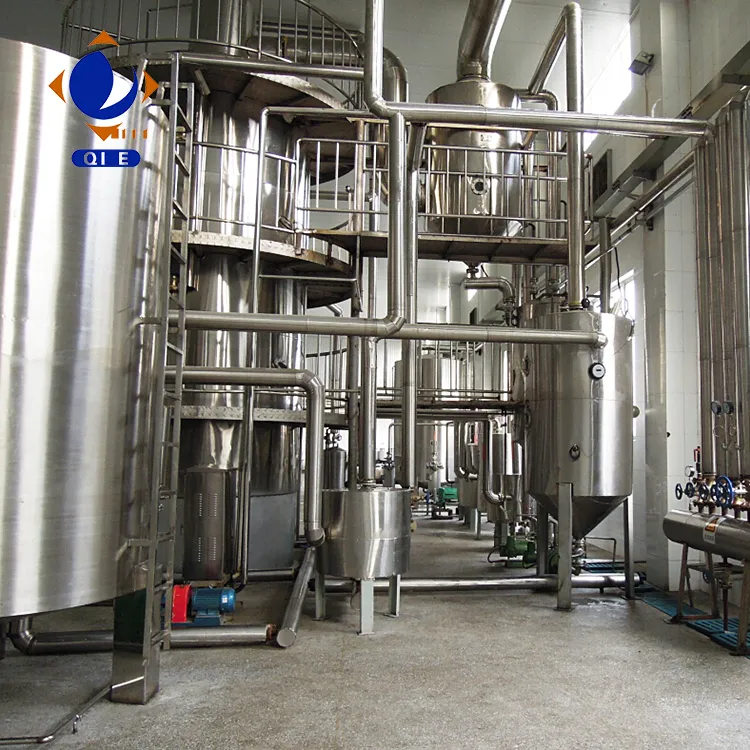
In African regions such as Nigeria, frequent power grid fluctuations have led to frequent shutdowns and even damage of single-voltage palm oil refining equipment, seriously affecting production efficiency and revenue. According to industry research, about 60% of oil mills in Africa have encountered voltage abnormalities. This article delves into why more and more oil mills are turning to intelligent refining equipment that supports a wide voltage input range of 230V - 430V.
Let's take a look at some real - world examples. In the northern part of Nigeria, due to the instability of the local power grid, a medium - sized oil mill using single - voltage palm oil refining equipment experienced an average of 3 shutdowns per month last year. Each shutdown lasted for about 2 days, resulting in a monthly loss of approximately $50,000 in production and an additional $10,000 in maintenance costs. In the southern part, although the power grid situation is relatively better, single - voltage equipment still faced problems such as reduced service life due to voltage fluctuations. These cases clearly show the high risks associated with single - voltage equipment in the African power environment.
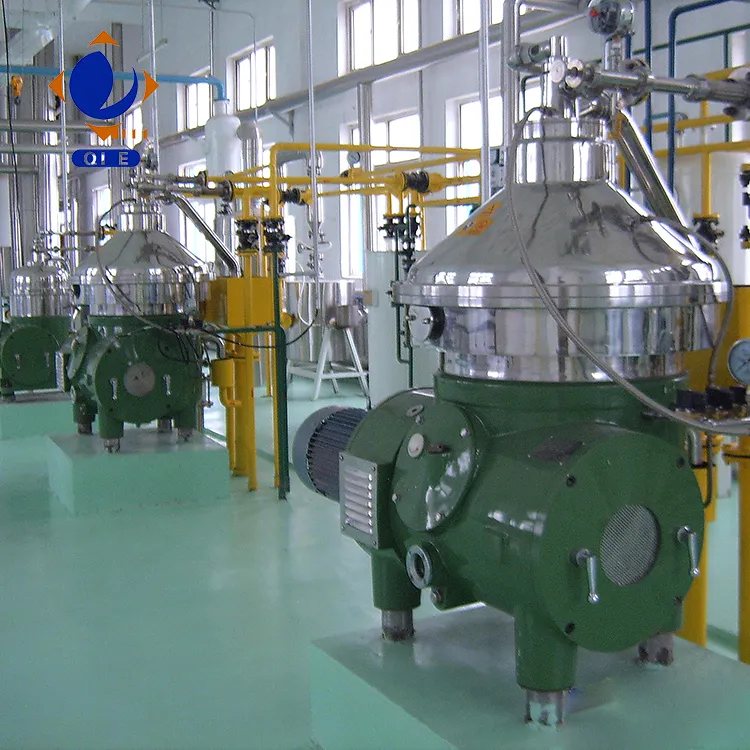
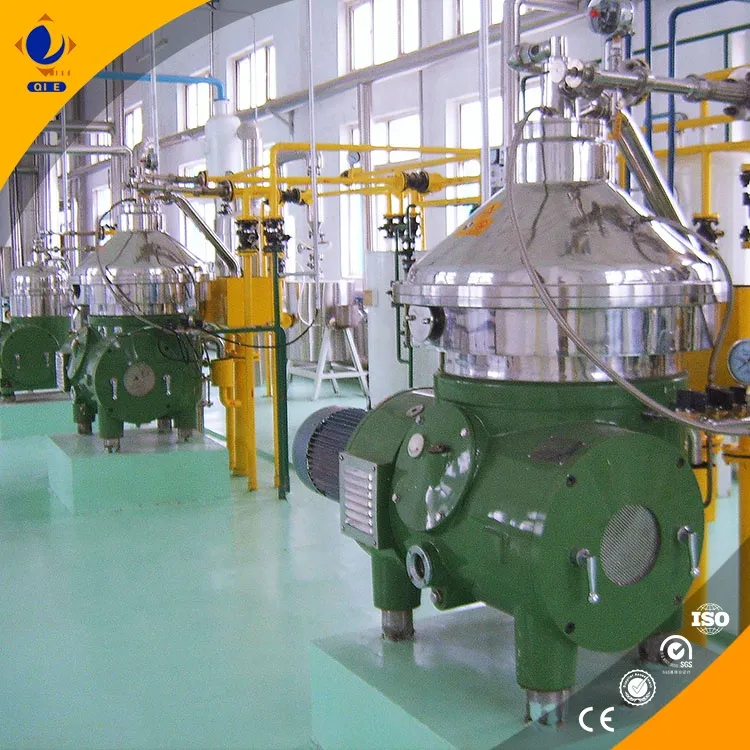
Wide - voltage technology is the key to solving these problems. The wide - voltage refining equipment can automatically adjust to different voltage inputs within the range of 230V - 430V. This is especially important for the PLC control system. The PLC control system is the core of modern palm oil refining equipment, responsible for precise control of various processes. With wide - voltage technology, the PLC control system can operate stably, avoiding production interruptions caused by voltage abnormalities and ensuring continuous and efficient production.
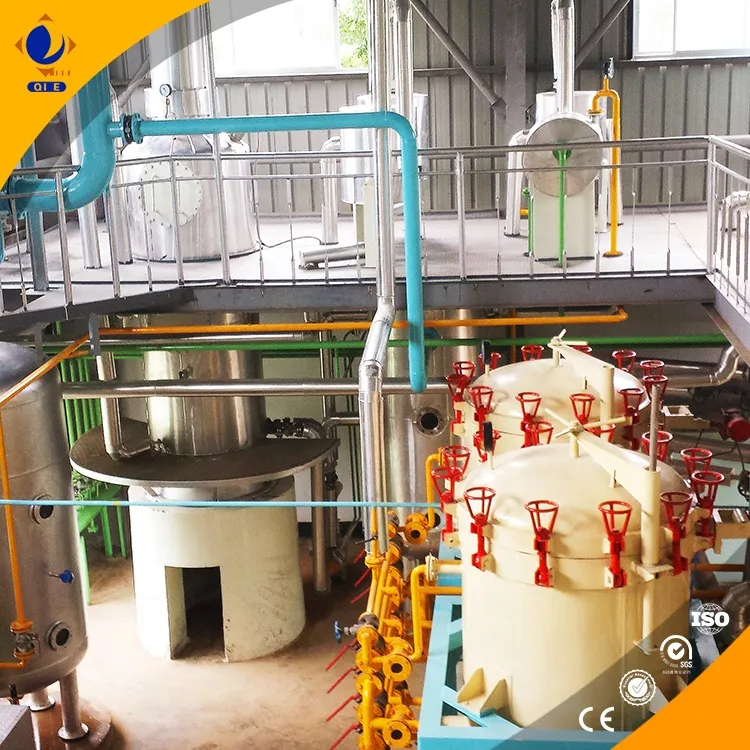
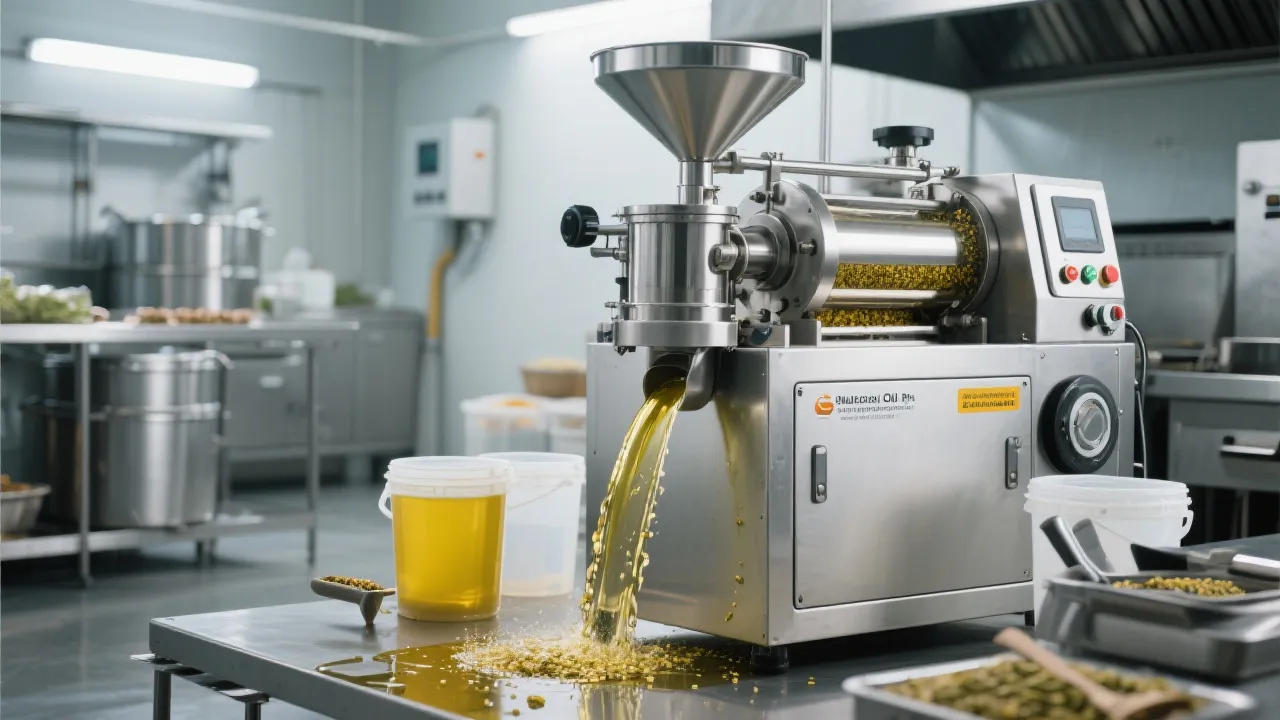
In addition to voltage adaptability, the selection of core component materials also plays a crucial role in the long - term reliability of the equipment. High - quality wear - resistant materials are used in the key components of the wide - voltage refining equipment, which can effectively reduce wear and tear during operation. For example, the grinding discs in the refining equipment are made of special alloy steel, which has a wear life 3 times longer than ordinary materials. This means that the equipment can operate stably for a longer time, reducing maintenance frequency and costs.
In today's global market, green manufacturing is becoming an important trend. The wide - voltage palm oil refining equipment meets international environmental protection standards. It consumes less energy during operation and produces less waste, which not only reduces the operating costs of oil mills but also enhances their market competitiveness. In the European market, for example, oil products produced by environmentally friendly equipment are more popular among consumers.
When choosing palm oil refining equipment, oil mills should consider the following factors: 1. Voltage range: Ensure that the equipment can adapt to the local power grid voltage. 2. Wear - resistant life prediction: Estimate the service life of key components to avoid frequent replacements. 3. After - sales response ability: A reliable after - sales service team can ensure quick problem - solving in case of equipment failures.
To learn more about the equipment selection guide, please visit our technical resource center.
 Economy palm oil refining machine
Palm oil refining process
Small - scale palm oil production line
Refining machine maintenance skills
Operation of grain and oil machinery
palm oil refining production line
palm fruit pressing
oil quality improvement
equipment selection guide
small and medium palm oil processing
Modular palm oil refining equipment
Small and medium - sized enterprise palm oil processing solutions
Green manufacturing palm oil equipment
Automation upgrade of oil mills
Carbon steel refining equipment
palm oil refining process
PLC control system in oil processing
automated oil refining plant
palm oil refining equipment maintenance
industrial automation for edible oil production
palm oil refining machine maintenance
economical oil refining equipment care
PLC system保养 in palm oil processing
pressure vessel inspection checklist
oil refining process optimization
Economy palm oil refining machine
Palm oil refining process
Small - scale palm oil production line
Refining machine maintenance skills
Operation of grain and oil machinery
palm oil refining production line
palm fruit pressing
oil quality improvement
equipment selection guide
small and medium palm oil processing
Modular palm oil refining equipment
Small and medium - sized enterprise palm oil processing solutions
Green manufacturing palm oil equipment
Automation upgrade of oil mills
Carbon steel refining equipment
palm oil refining process
PLC control system in oil processing
automated oil refining plant
palm oil refining equipment maintenance
industrial automation for edible oil production
palm oil refining machine maintenance
economical oil refining equipment care
PLC system保养 in palm oil processing
pressure vessel inspection checklist
oil refining process optimization





.png?x-oss-process=image/resize,h_100,m_lfit/format,webp)
.png?x-oss-process=image/resize,h_100,m_lfit/format,webp)
.png?x-oss-process=image/resize,h_100,m_lfit/format,webp)