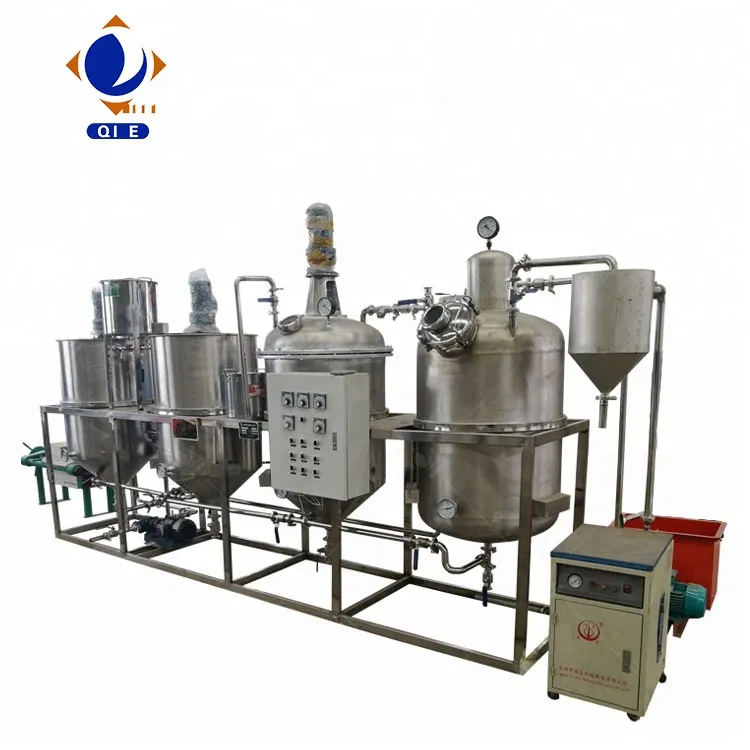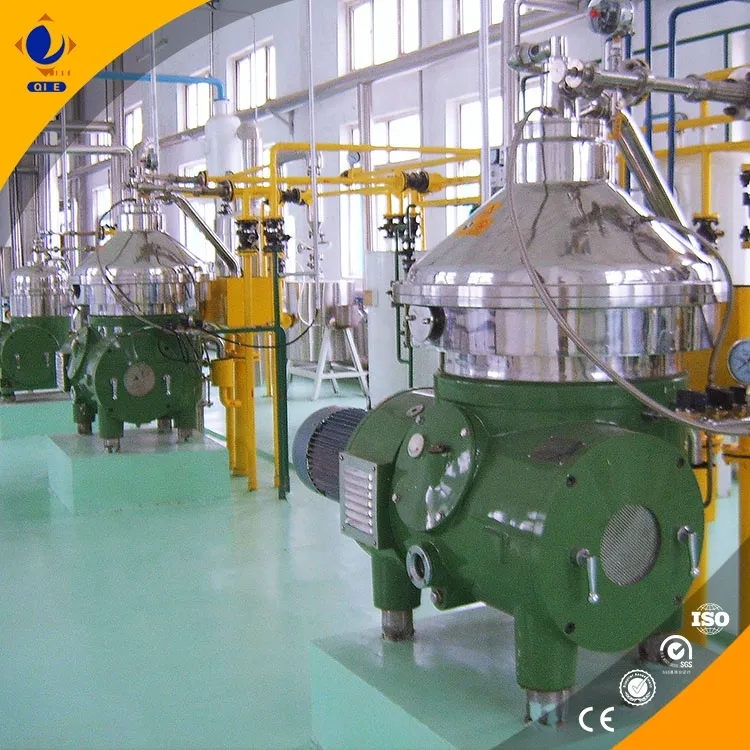
For small and medium palm oil producers, achieving consistent quality and maximizing yield without overhauling entire facilities is a daily challenge. The good news? Modern PLC (Programmable Logic Controller) systems are transforming how these operations run—turning complex processes into precise, repeatable routines.
According to industry data, manual control of refining steps like de-gumming, acid removal, bleaching, and deodorization leads to an average 8–12% variation in oil yield across batches. With PLC automation, this drops to under 3%. That’s not just efficiency—it’s profit protection.
| Process Step | Key Parameters | Manual vs. PLC Accuracy |
|---|---|---|
| Pre-treatment | Temperature: 60–70°C | Time: 30–45 min | ±5°C / ±10% |
| Deacidification | Temp: 180–200°C | Pressure: 0.5–1.0 bar | ±2°C / ±3% |
| Bleaching | Temp: 100–110°C | Time: 30 min | ±3°C / ±5% |
Take the case of a Malaysian producer who switched from manual controls to a custom PLC system from QIE Group. Within three months, they saw a 15% increase in throughput, reduced labor costs by 22%, and eliminated two major safety incidents related to overheating during deodorization.
One of the biggest risks in palm oil refining is operator error—especially when handling high-temperature and pressure stages. PLCs eliminate guesswork by enforcing strict process logic. For example, if a temperature sensor detects a deviation above 210°C during deodorization, the system automatically shuts off steam input and alerts operators via SMS or email.
Moreover, energy consumption drops significantly. In a study conducted by the International Palm Oil Council, automated refineries using PLCs consumed up to 18% less steam per ton of oil processed—a win for both cost and sustainability.
To keep your PLC-controlled system running smoothly:
Remember: automation doesn’t replace expertise—it amplifies it. By reducing repetitive tasks, your team can focus on process optimization, quality assurance, and customer service.
Explore how QIE Group’s modular PLC solutions have helped over 200 small-to-mid-scale producers improve yield, reduce waste, and meet global food safety standards—without breaking the bank.
See Real-Time Refining Solutions →Whether you're setting up your first plant or optimizing an existing one, smart automation isn't just a luxury—it's the foundation of modern palm oil production.
 palm oil refining equipment
PLC smart control
energy efficient refining
small palm oil mill
automated oil processing
palm oil refining equipment
automation for small and medium factories
PLC control system
low - energy consumption refining line
equipment selection guide
crude palm oil refining automation
energy-efficient palm oil processing
CE certified oil refining equipment
sustainable palm oil production
palm oil plant optimization
palm oil refining machine
cost-effective oil processing equipment
palm oil refining process
industrial palm oil refining
PLC-controlled oil refiner
palm oil refining machine maintenance
small palm oil processing plant
refinery equipment troubleshooting
palm oil processing equipment保养
PLC control system maintenance
palm oil refining equipment
PLC smart control
energy efficient refining
small palm oil mill
automated oil processing
palm oil refining equipment
automation for small and medium factories
PLC control system
low - energy consumption refining line
equipment selection guide
crude palm oil refining automation
energy-efficient palm oil processing
CE certified oil refining equipment
sustainable palm oil production
palm oil plant optimization
palm oil refining machine
cost-effective oil processing equipment
palm oil refining process
industrial palm oil refining
PLC-controlled oil refiner
palm oil refining machine maintenance
small palm oil processing plant
refinery equipment troubleshooting
palm oil processing equipment保养
PLC control system maintenance





.png?x-oss-process=image/resize,h_100,m_lfit/format,webp)
.png?x-oss-process=image/resize,h_100,m_lfit/format,webp)
.png?x-oss-process=image/resize,h_100,m_lfit/format,webp)