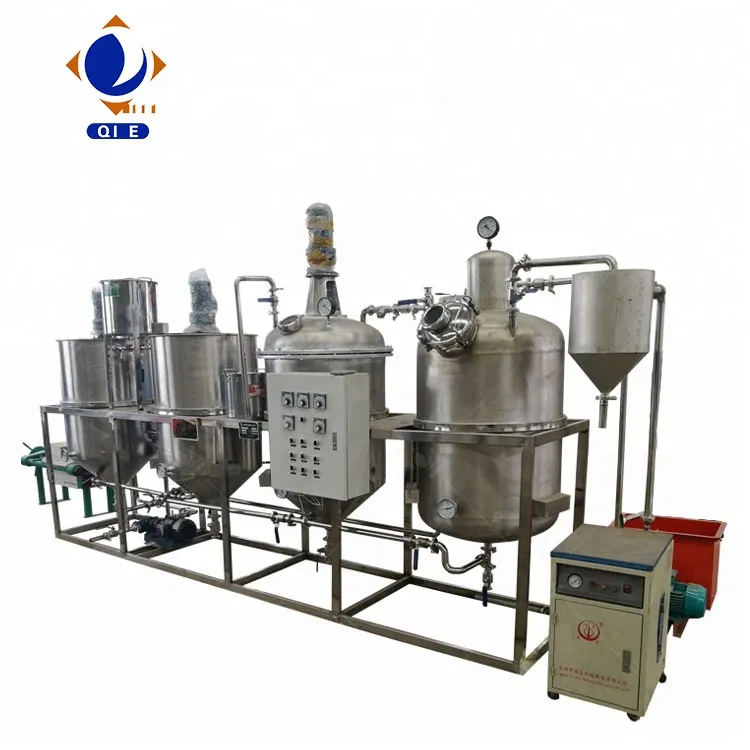
In the dynamic landscape of the palm oil industry in Nigeria and Africa, small and medium-sized palm oil processing plants are constantly seeking ways to enhance efficiency, reduce costs, and improve product quality. One of the most promising solutions is the application of Programmable Logic Controller (PLC) automatic control systems in the palm oil refining process. This article delves into the specific applications of PLC systems in the entire palm oil refining process, aiming to provide practical guidance for oil mills in Nigeria and other African markets.
The palm oil refining process consists of several critical stages, including pre - treatment, refining, and filling. In the pre - treatment stage, the PLC system can automatically monitor and adjust parameters such as the temperature and moisture of raw materials. For example, it can maintain the raw material temperature at around 50 - 60°C to ensure the effectiveness of subsequent processes. By doing so, it reduces the risk of raw material spoilage and improves the overall quality of the final product.
During the refining stage, the PLC system plays a crucial role in ensuring product consistency and safety compliance. It can precisely control parameters like refining temperature, pressure, and time. For instance, in the deodorization process, the system can keep the temperature at 220 - 240°C and the pressure at 2 - 4 mbar for a specific period (usually 60 - 90 minutes) to remove odorous substances effectively. This intelligent control helps to produce palm oil with consistent quality, meeting international standards.
When it comes to the filling stage, the PLC system can accurately measure the volume of the filled oil and ensure the proper sealing of containers. It can control the filling speed and quantity, reducing waste and ensuring that each container meets the specified standards.
Oil mills in Nigeria and other African markets often face high labor costs and non - standard operations. Manual operations are prone to human errors, which can lead to inconsistent product quality and increased production risks. The PLC automatic control system effectively addresses these issues by reducing the reliance on manual labor. By automating the key processes, it can cut down the number of workers required by up to 30 - 40%, significantly reducing labor costs.
Moreover, the system reduces the likelihood of human - induced errors, such as incorrect parameter settings or untimely operations. This leads to a more stable production process and a lower probability of product quality issues, thereby reducing production risks.
For cold and hot pressing processes, the PLC system can be configured differently. In the cold - pressing process, the system should focus on maintaining a relatively low temperature (below 50°C) to preserve the nutritional value of the oil. For hot - pressing, it needs to ensure a proper high - temperature range (around 100 - 120°C) to improve oil extraction efficiency. The following is a typical configuration suggestion:
Regular maintenance is essential for the long - term stable operation of the PLC system. Common maintenance tasks include cleaning sensors, checking wiring connections, and updating system software. In case of system failures, a step - by - step troubleshooting process can be carried out. For example, first check the power supply, then the sensors, and finally the control program.
The application of the PLC system also brings significant energy - saving and environmental benefits. By precisely controlling process parameters, it can optimize energy consumption. For example, it can adjust the heating and cooling systems according to the actual needs of the process, reducing energy waste. This not only helps oil mills save costs but also meets the international trend of environmental protection.
In conclusion, the PLC automatic control system is a powerful tool for small and medium - sized palm oil processing plants in Nigeria and other African markets. It offers a comprehensive solution to improve production efficiency, reduce costs, and enhance product quality. If you are interested in learning more about automation transformation solutions for your oil mill, click here to find out more.
 Modular palm oil refining equipment
Capacity expansion solutions for small and medium-sized oil mills
Advantages of carbon steel refining equipment
Palm oil processing energy-saving technology
PLC-controlled refining system
palm oil refining equipment
PLC automatic control system
cold press hot press process
automated oil processing
small scale palm oil mill automation
PLC control system for palm oil refining
automated palm oil processing
palm oil refining optimization
small scale palm oil production
smart automation in oil refining
Small-scale palm oil refining process
Palm oil degumming and deacidification process
PLC-controlled refining equipment
Practical guide for small oil mills
Palm oil refining parameter settings
palm oil refining process
small palm oil refinery
refining equipment selection
palm oil processing technology
edible oil refining solutions
Modular palm oil refining equipment
Capacity expansion solutions for small and medium-sized oil mills
Advantages of carbon steel refining equipment
Palm oil processing energy-saving technology
PLC-controlled refining system
palm oil refining equipment
PLC automatic control system
cold press hot press process
automated oil processing
small scale palm oil mill automation
PLC control system for palm oil refining
automated palm oil processing
palm oil refining optimization
small scale palm oil production
smart automation in oil refining
Small-scale palm oil refining process
Palm oil degumming and deacidification process
PLC-controlled refining equipment
Practical guide for small oil mills
Palm oil refining parameter settings
palm oil refining process
small palm oil refinery
refining equipment selection
palm oil processing technology
edible oil refining solutions







.png?x-oss-process=image/resize,h_100,m_lfit/format,webp)
.png?x-oss-process=image/resize,h_100,m_lfit/format,webp)
.png?x-oss-process=image/resize,h_100,m_lfit/format,webp)