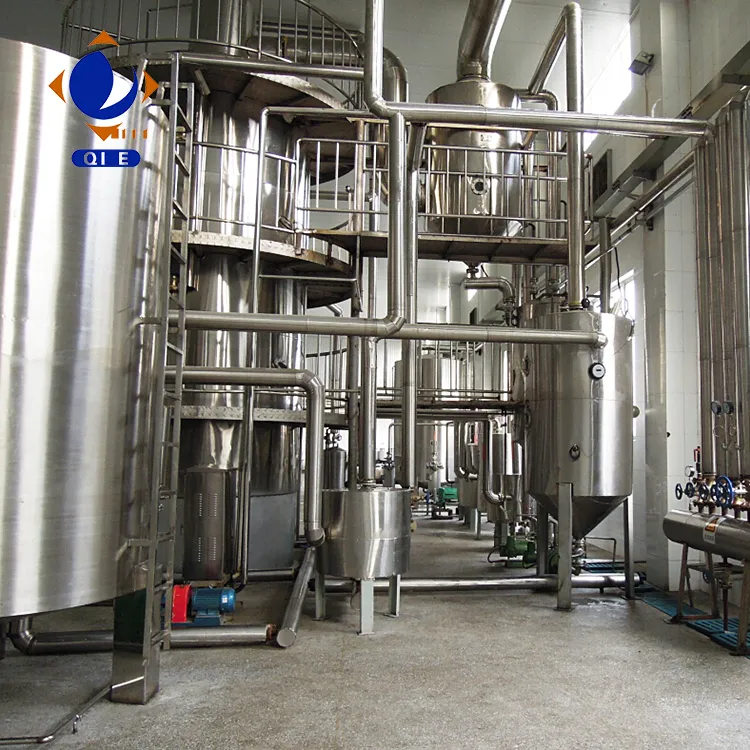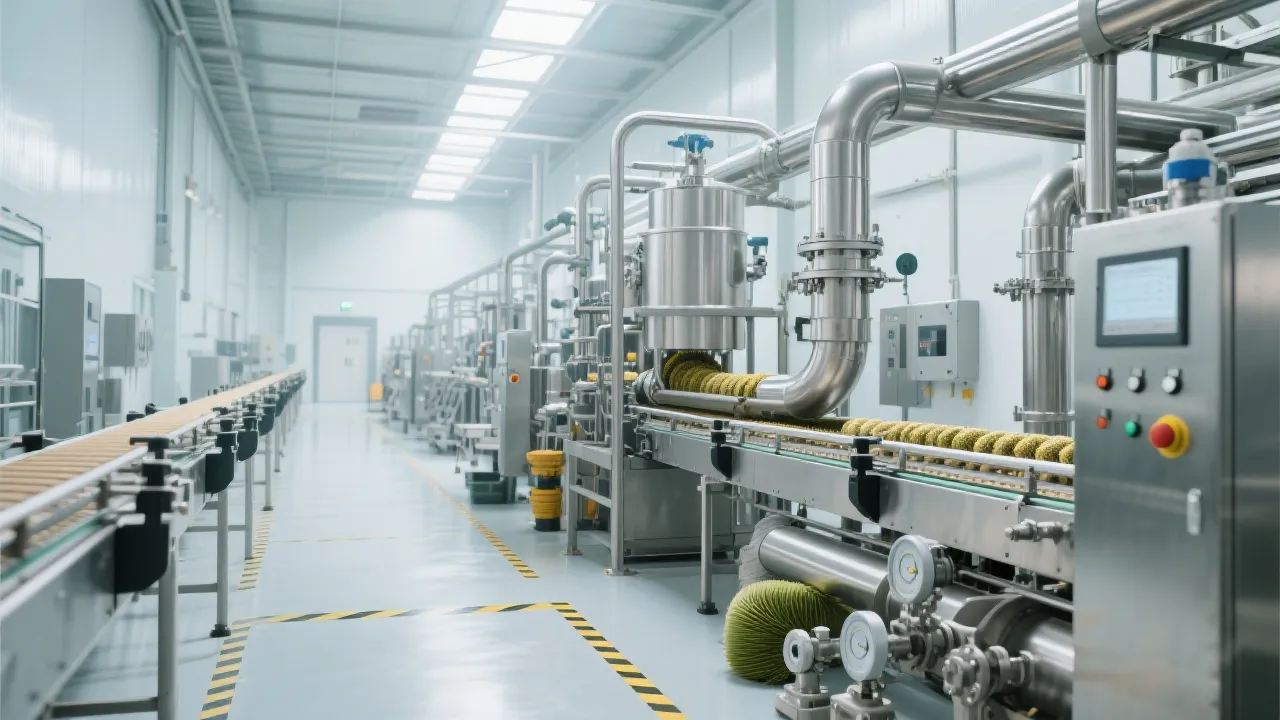
If you are navigating the complexities of palm oil refining at a small scale, embracing PLC (Programmable Logic Controller) technology can revolutionize your production. This article guides you through every crucial step of the refining process, from pretreatment to deodorization, highlighting how precise parameter control can significantly boost oil yield, elevate product quality, and help you avoid costly operational disruptions.
In small-scale palm oil plants, manual monitoring often leads to inconsistencies and risks of equipment failure. PLC control systems offer an automated, intelligent solution that simplifies operations, enforces safety protocols, and maintains process stability. By continuously monitoring temperature, pressure, and timing, the PLC minimizes human error and allows even first-time operators to achieve consistent results.
Let’s break down the critical refining steps accompanied by optimum PLC parameter configurations to maximize efficiency:
| Refining Stage | Recommended Parameters | Process Notes |
|---|---|---|
| Pretreatment | Temperature: 80-90°C Time: 30-40 min Pressure: Atmospheric |
Preparation for degumming removes impurities efficiently |
| Degumming (De-gelatinizing) | Temp: 85-95°C Time: 45-60 min Pressure: Atmospheric to slight vacuum (-0.05 MPa) |
Removes phospholipids, improves quality |
| Degumming (Deacidification) | Temp: 95-105°C Time: 40-50 min Pressure: Slight vacuum (-0.05 to -0.07 MPa) |
Reduces free fatty acids, key for oil stability |
| Bleaching | Temp: 110-120°C Time: 30-40 min Pressure: Vacuum (-0.07 MPa) |
Eliminates color pigments and oxidation products |
| Deodorization | Temp: 230-250°C Time: 60-90 min Steam Consumption: ≤ 300kg per ton oil Pressure: High vacuum (-0.09 MPa) |
Removes volatile odor components, ensures oil purity |
Improper parameter setups often cause reduced yields or equipment downtime. For instance, overheating during deodorization can degrade oil quality, while inaccurate vacuum pressure may cause insufficient removal of free fatty acids. PLCs enable real-time corrections by triggering alarms for out-of-range parameters, preventing these issues before escalation.
Take the case of a small refinery operator who initially lost 8% of oil yield due to inconsistent heating cycles. After tuning PLC temperature curves precisely and setting automatic shutdown thresholds, oil recovery rose steadily to 95% within weeks.
The core advantage of PLC integration lies in its autonomous monitoring capabilities. Using sensors, PLC continuously tracks critical parameters and implements pre-defined corrective actions without constant human supervision. Additionally, it logs operational data that aids in predictive maintenance.
This automation minimizes the risk of equipment failures caused by overheating, pressure surges, or operator mistakes. It also stabilizes product quality by maintaining consistent refining conditions.
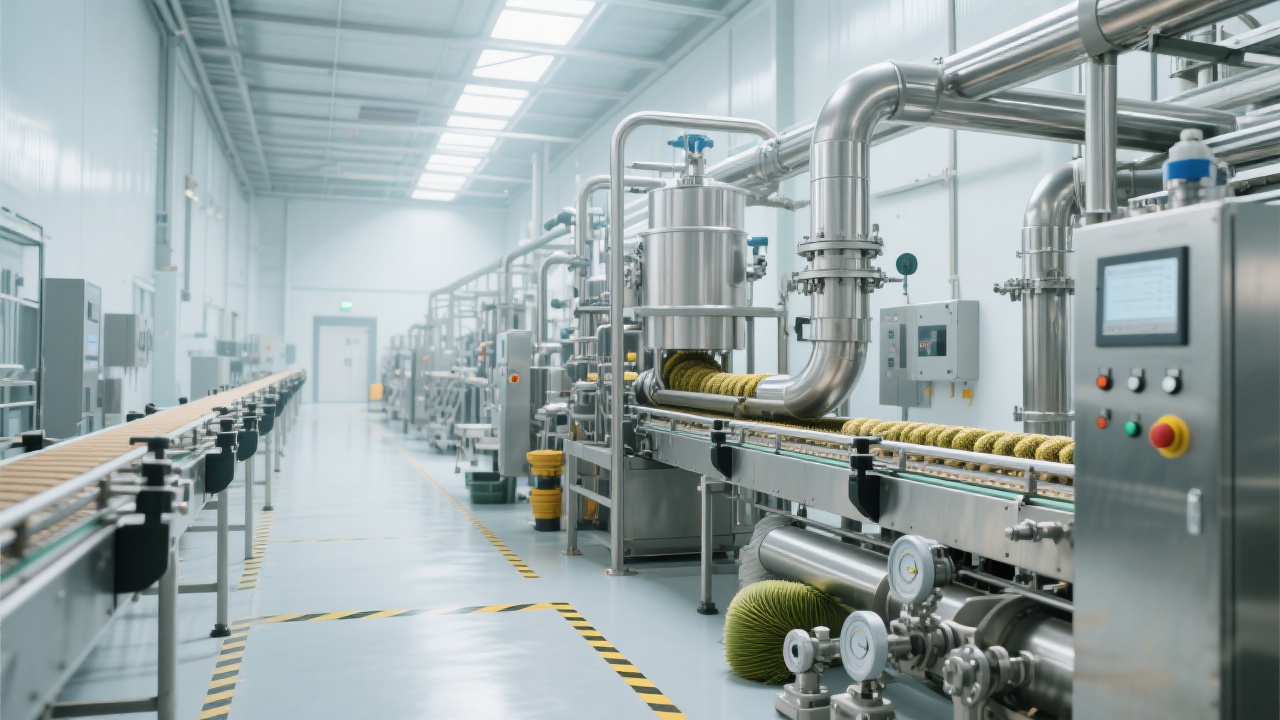
To achieve maximum longevity for your refining equipment integrated with PLC:
Building a culture of systematic management around your PLC-controlled plant reduces unexpected downtime and enhances operational safety.
| “Integrating a robust PLC system tailored for small-scale palm oil refining empowers operators to confidently manage complex refining steps without compromising oil yield or quality.” – Dr. Laila Rahman, Food Process Engineer |
The combination of automation precision and actionable data insights places the power back into your hands — whether you’re a startup aiming to streamline operations or an established small producer targeting improved energy savings.
 palm oil refining machine
cost-effective oil processing equipment
palm oil refining process
industrial palm oil refining
PLC-controlled oil refiner
small-scale palm oil refining line solutions
cost-effective palm oil refining equipment
fully automated palm oil processing line
palm oil machinery for SMEs
integrated palm fruit pressing and refining
economical palm oil refining machine
small palm oil processing equipment
palm oil refining process
refinery maintenance tips
production efficiency improvement
Small and medium-sized palm oil mills
Energy-saving refining equipment
PLC intelligent control
Low-energy consumption equipment
Production efficiency improvement
palm oil refining equipment selection
small scale palm oil processing
palm oil deodorization technology
oil refining process layout
edible oil production optimization
palm oil refining machine
cost-effective oil processing equipment
palm oil refining process
industrial palm oil refining
PLC-controlled oil refiner
small-scale palm oil refining line solutions
cost-effective palm oil refining equipment
fully automated palm oil processing line
palm oil machinery for SMEs
integrated palm fruit pressing and refining
economical palm oil refining machine
small palm oil processing equipment
palm oil refining process
refinery maintenance tips
production efficiency improvement
Small and medium-sized palm oil mills
Energy-saving refining equipment
PLC intelligent control
Low-energy consumption equipment
Production efficiency improvement
palm oil refining equipment selection
small scale palm oil processing
palm oil deodorization technology
oil refining process layout
edible oil production optimization




.png?x-oss-process=image/resize,h_100,m_lfit/format,webp)
.png?x-oss-process=image/resize,h_100,m_lfit/format,webp)
.png?x-oss-process=image/resize,h_100,m_lfit/format,webp)