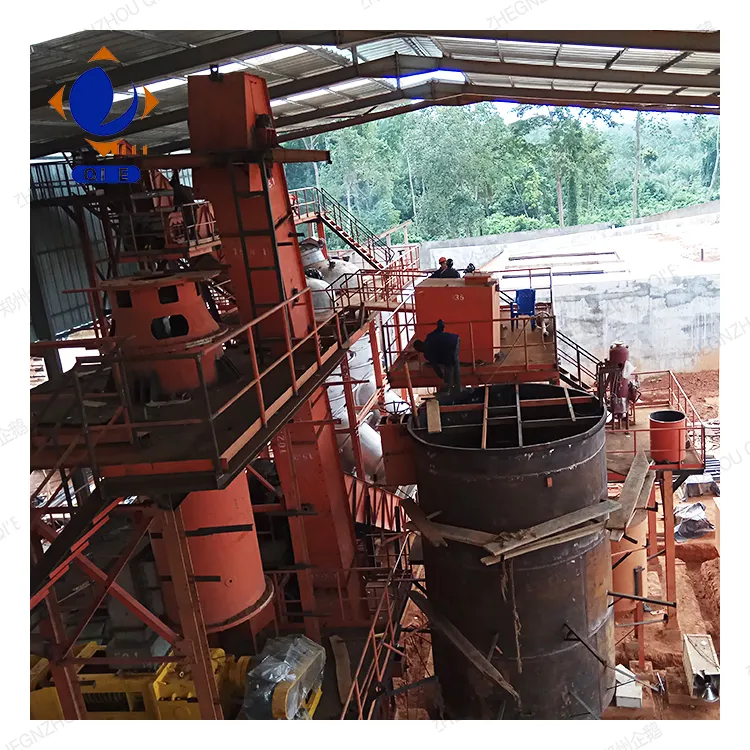
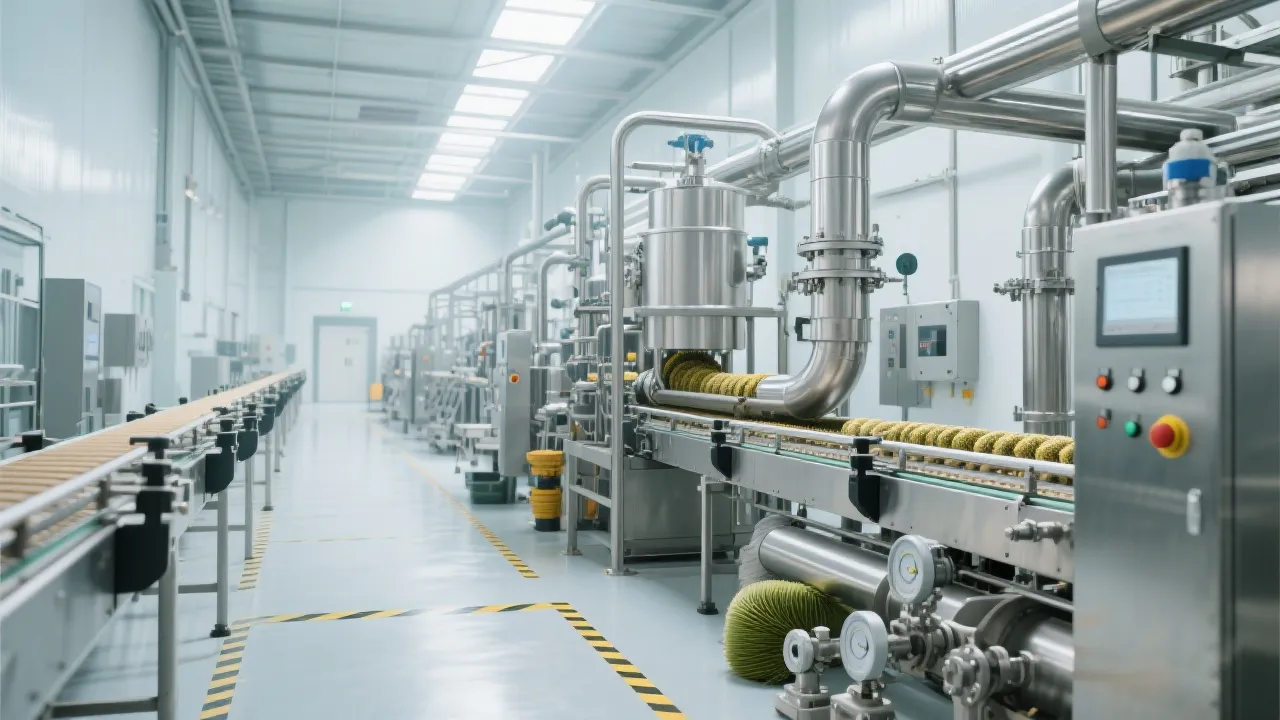
In Nigeria’s rapidly growing agro-processing sector, small-scale palm oil producers face mounting pressure to reduce operational costs while maintaining quality and compliance. With labor making up nearly 40–60% of total production expenses, manual operations are no longer sustainable. Enter PLC (Programmable Logic Controller) automatic control systems — a proven solution that transforms inefficient workflows into precision-driven processes.
Traditional oil mills rely on human operators to manage temperature, pressure, and timing across pre-treatment, cold/heat pressing, and filling stages. This leads to inconsistent results — an average yield loss of 8–12% due to overcooking or under-processing. In contrast, modern PLC-controlled systems use closed-loop feedback mechanisms to adjust parameters in real-time, ensuring consistent output quality and reducing waste by up to 25%.
| Aspect | Manual Operation | PLC Automation |
|---|---|---|
| Labor Required | 5–7 workers per shift | 2–3 skilled technicians |
| Yield Consistency | ±10% variation | ±2% variation |
| Energy Efficiency | High energy waste (avg. 15%) | Smart load balancing saves 10–15% |
Nigeria’s unstable grid voltage — often ranging from 230V to 430V — poses a major challenge for industrial equipment. However, advanced PLC systems designed for African markets support wide voltage input ranges (230–430V AC) and include built-in surge protection. This ensures uninterrupted operation even during brownouts, reducing downtime by over 30% compared to older systems.
Moreover, the system adapts dynamically to raw material variations — such as moisture content or fiber density — adjusting heat profiles automatically. For example, when processing high-moisture palm fruits, the PLC increases drying time by 5–7%, preventing oxidation and preserving shelf life without operator intervention.
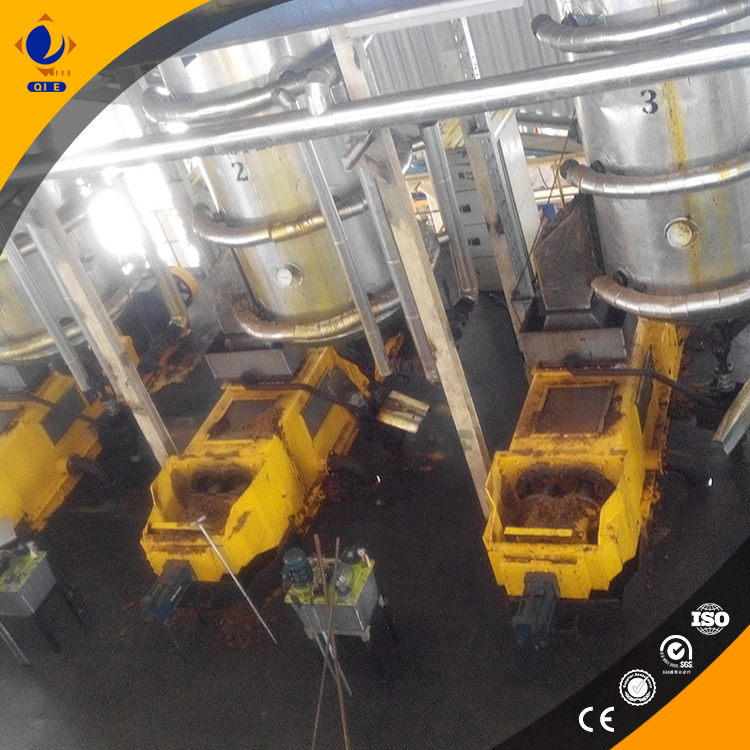
Many Nigerian mills struggle to meet international food safety standards like ISO 22000 or HACCP. A well-implemented PLC system logs every parameter change — from oil temperature to filtration cycles — creating a transparent audit trail. This not only simplifies certification but also builds trust with buyers in Europe, UAE, and Asia who demand traceability.
Maintenance is straightforward too. Weekly checks on sensors, monthly calibration, and seasonal filter replacements ensure long-term stability. When configured correctly, the system can run for 6–8 months between major service intervals — cutting maintenance costs by up to 40%.
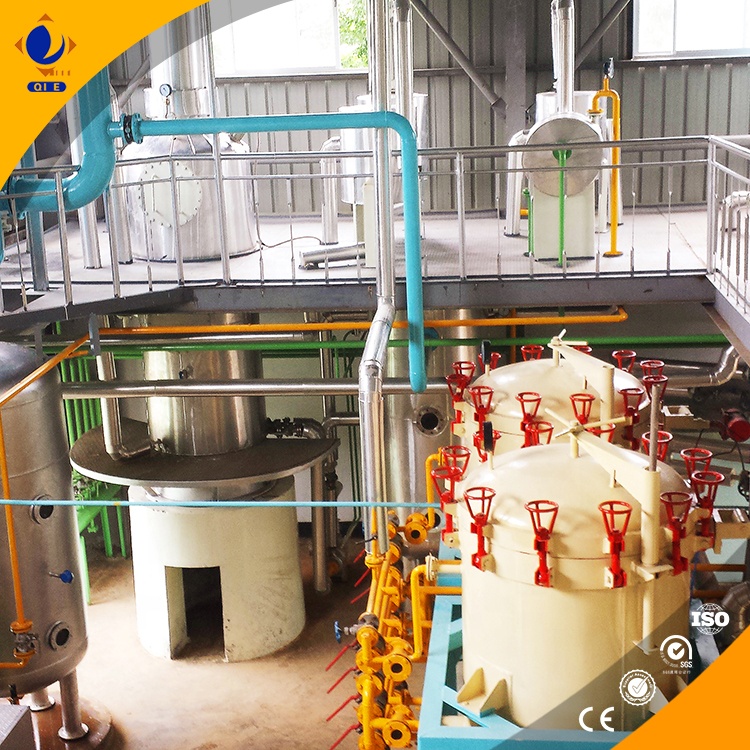
For small palm oil processors in Nigeria, upgrading to a PLC-based control system isn’t just about saving money — it’s about future-proofing your business. You’ll see faster throughput, fewer rejects, lower energy bills, and stronger export readiness.
Don’t let outdated methods hold you back. Start your journey toward smarter, more efficient oil refining today.
 palm oil refining equipment maintenance
small palm oil refinery operations
daily maintenance for oil processing machines
PLC system care in palm oil plants
extending lifespan of industrial refining equipment
Palm oil refining process
Cold and hot pressing dual - process
Degumming efficiency improvement
Temperature control optimization
Grain and oil processing equipment
palm oil bleaching process
palm oil degumming techniques
small-scale palm oil yield improvement
palm oil refining process optimization
PLC controlled palm oil refining equipment
palm oil refining process
mini palm oil refining equipment
de-gumming in palm oil
de-acidification technology
PLC control system for oil refining
economical palm oil refining equipment
small-scale palm oil production line
palm oil refining machine selection
palm oil refining process
equipment maintenance tips
palm oil refining equipment maintenance
small palm oil refinery operations
daily maintenance for oil processing machines
PLC system care in palm oil plants
extending lifespan of industrial refining equipment
Palm oil refining process
Cold and hot pressing dual - process
Degumming efficiency improvement
Temperature control optimization
Grain and oil processing equipment
palm oil bleaching process
palm oil degumming techniques
small-scale palm oil yield improvement
palm oil refining process optimization
PLC controlled palm oil refining equipment
palm oil refining process
mini palm oil refining equipment
de-gumming in palm oil
de-acidification technology
PLC control system for oil refining
economical palm oil refining equipment
small-scale palm oil production line
palm oil refining machine selection
palm oil refining process
equipment maintenance tips







.png?x-oss-process=image/resize,h_100,m_lfit/format,webp)
.png?x-oss-process=image/resize,h_100,m_lfit/format,webp)
.png?x-oss-process=image/resize,h_100,m_lfit/format,webp)