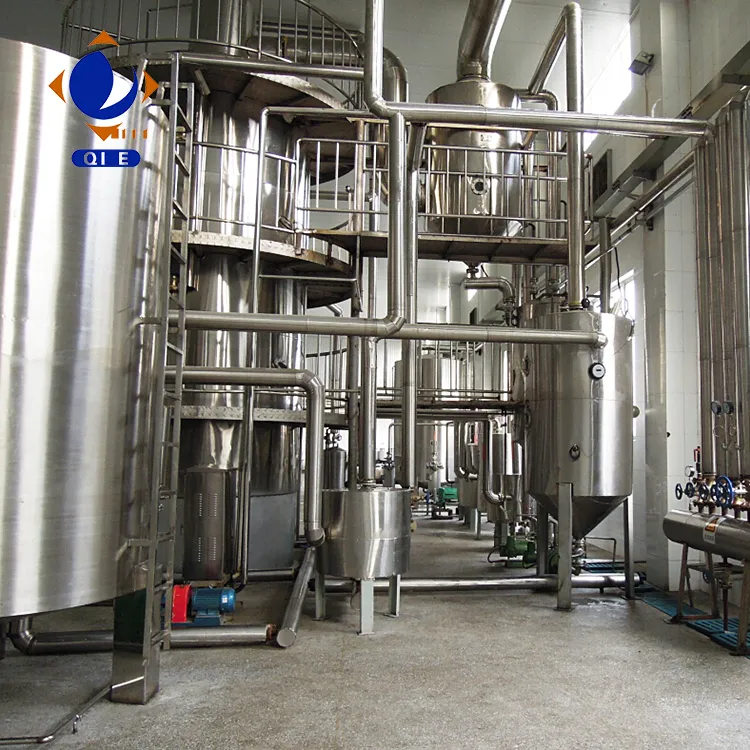
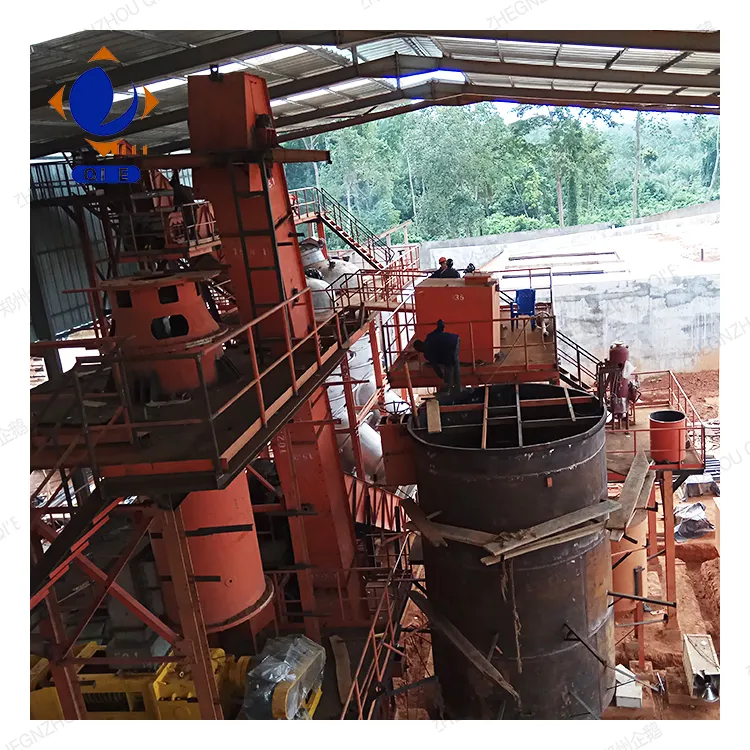
If your palm oil mill struggles with inconsistent yields or unstable product quality—especially when exporting to global markets—you’re not alone. In fact, over 60% of small-to-mid-sized mills in West Africa report yield losses between 8–12% due to suboptimal refining processes. The good news? A proven solution exists—and it’s already helping Nigerian producers achieve consistent ISO-standard output.
Cold pressing retains more natural nutrients like tocopherols and carotenoids, which are crucial for premium-grade oils targeting European and U.S. markets. However, cold extraction alone can be inefficient—yielding only about 75–80% of available oil. That’s where hot pressing comes in: at controlled temperatures (65–75°C), it boosts efficiency by up to 15%, while preserving key quality markers such as FFA (free fatty acid) levels below 0.5%. When used together, these two methods create a synergistic system that maximizes both yield and purity.
You don’t need a PhD in chemical engineering to optimize your process—but knowing the right parameters matters. Here’s what works:
One client in Port Harcourt saw their monthly consistency improve from ±5% variation to just ±1.2% after implementing these adjustments. Their export orders increased by 30% within six months—not because they changed suppliers, but because they finally understood how to run their existing equipment smarter.
Are you struggling with unexpected fluctuations in oil clarity, high acidity, or inconsistent batch results? Share your biggest pain point in the comments below—we’ll help you troubleshoot based on real-world data from other mills like yours.
"When we switched to a dual-process approach, our average yield jumped from 78% to 91%. And yes—it was cheaper than buying new machinery."
— Engineer, Kano Oil Processing Co., Nigeria
 palm oil refining equipment
PLC smart control
energy efficient refining
small palm oil mill
automated oil processing
energy-efficient palm oil refining equipment
green manufacturing palm oil processing
CE certified palm oil machinery
automated crude palm oil refining system
energy-saving palm oil production line
palm oil refining equipment
small to medium palm oil plant setup
palm oil refining process flow
edible oil machinery configuration
palm oil deodorization technology
Small and medium - sized palm oil refining production line
Full - process automated palm oil processing
Economical palm oil equipment
Palm oil production efficiency improvement
Vietnamese palm oil processing case
Palm oil refining machine
PLC control system
Small - scale refining production line
Palm oil processing equipment
Equipment maintenance skills
palm oil refining equipment
PLC smart control
energy efficient refining
small palm oil mill
automated oil processing
energy-efficient palm oil refining equipment
green manufacturing palm oil processing
CE certified palm oil machinery
automated crude palm oil refining system
energy-saving palm oil production line
palm oil refining equipment
small to medium palm oil plant setup
palm oil refining process flow
edible oil machinery configuration
palm oil deodorization technology
Small and medium - sized palm oil refining production line
Full - process automated palm oil processing
Economical palm oil equipment
Palm oil production efficiency improvement
Vietnamese palm oil processing case
Palm oil refining machine
PLC control system
Small - scale refining production line
Palm oil processing equipment
Equipment maintenance skills


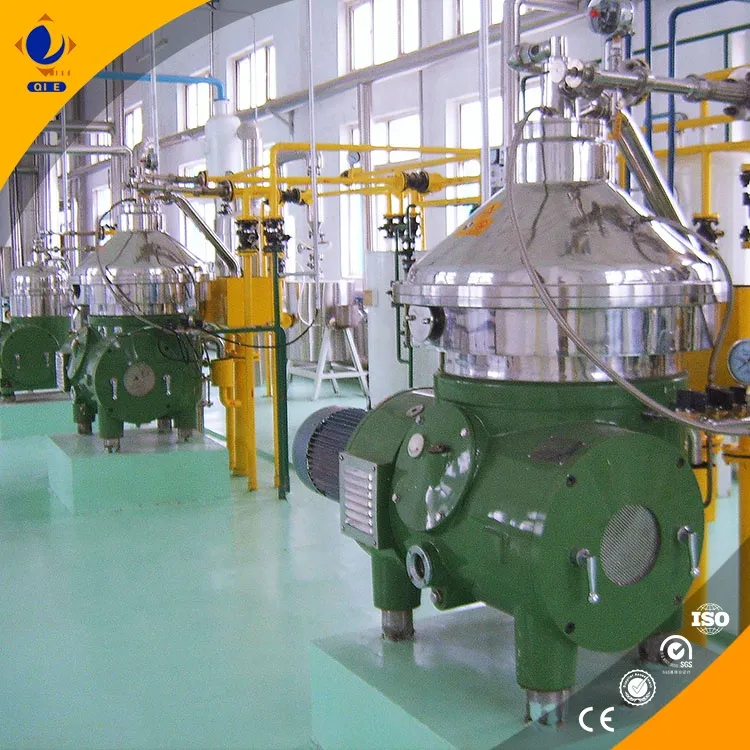
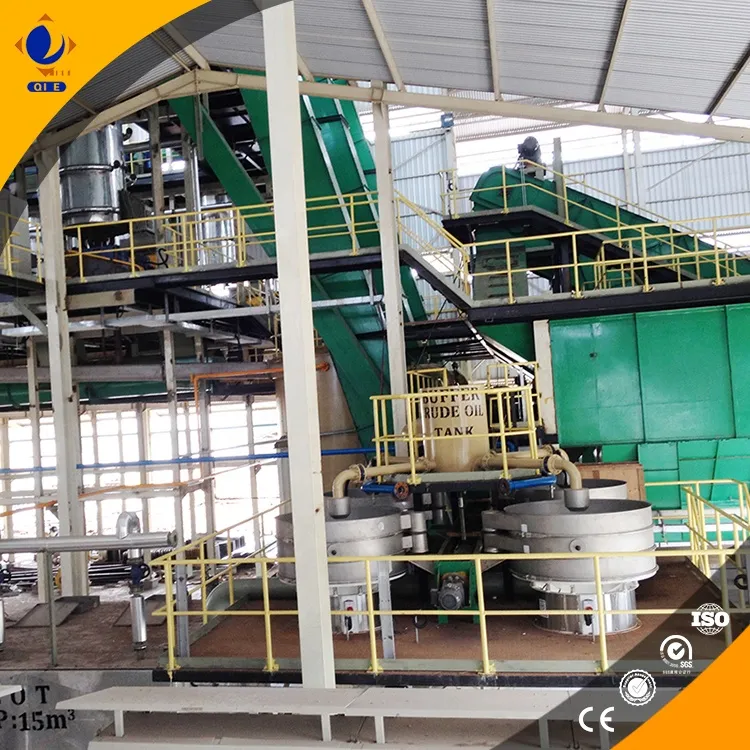



.png?x-oss-process=image/resize,h_100,m_lfit/format,webp)
.png?x-oss-process=image/resize,h_100,m_lfit/format,webp)
.png?x-oss-process=image/resize,h_100,m_lfit/format,webp)