

Palm oil refining remains a cornerstone process for the edible oils industry, especially for medium-scale processors targeting daily outputs of approximately 200 tons. Achieving consistent product quality while optimizing operational efficiency requires a thorough understanding of key refining steps—degumming, neutralization (deacidification), bleaching, and deodorization—and an ability to adapt process parameters dynamically based on raw material variations and real-time analytical data.
Degumming eliminates phospholipids and impurities that otherwise cause quality defects and reduce oil stability. For 200 tons/day lines, phosphoric acid dosage typically ranges between 70-120 ppm, adjusted dynamically according to the phospholipid content of crude palm oil (CPO). Employing online phospholipid detectors helps technicians maintain optimal dosing, preventing excessive chemical use and minimizing downstream processing challenges.
Modern degumming systems incorporate controlled hydration, with precise agitation and temperature regulation around 70-75°C, ensuring effective gum removal without compromising oil yield. Implementing automated process controls reduces human error and maintains process repeatability.
The neutralization stage removes free fatty acids (FFA) to improve product stability and taste. Traditional approaches often use fixed caustic soda dosages which can lead to either under-treatment (high FFA) or over-alkalization (soap formation and oil loss). For a 200 tons/day setup, it is crucial to optimize caustic soda usage via continuous measurement of FFA in the feed and refining steps.
Implementing inline titration or near-infrared sensors enables real-time adjustments to alkali flow rates, potentially decreasing caustic consumption by 10-15% while enhancing oil recovery by up to 1%. Typical pH control targets between 7.2 and 7.5 ensure minimal soap formation. Furthermore, periodic soap skimming combined with precise alkali dosing improves both yield (targeting 97-98% oil recovery) and quality consistency.
Bleaching removes pigments, oxidation products, and trace metals that affect oil color and shelf life. For medium-scale plants, optimum bleaching involves dosing natural earth clays within 0.5-1.0% by weight and maintaining a temperature range of 90-110°C during a 30-60 minute contact time under vacuum.
Employing activated bleaching earth tailored for palm oil can increase pigment adsorption efficiency by 10-20%, enhancing brightness and stability. Key parameters such as dosage rates, temperature, and vacuum levels are best monitored through automated sensors to maintain consistent batch-to-batch quality.
Regular clay regeneration or replacement protocols prevent contamination and ensure cost-effectiveness.
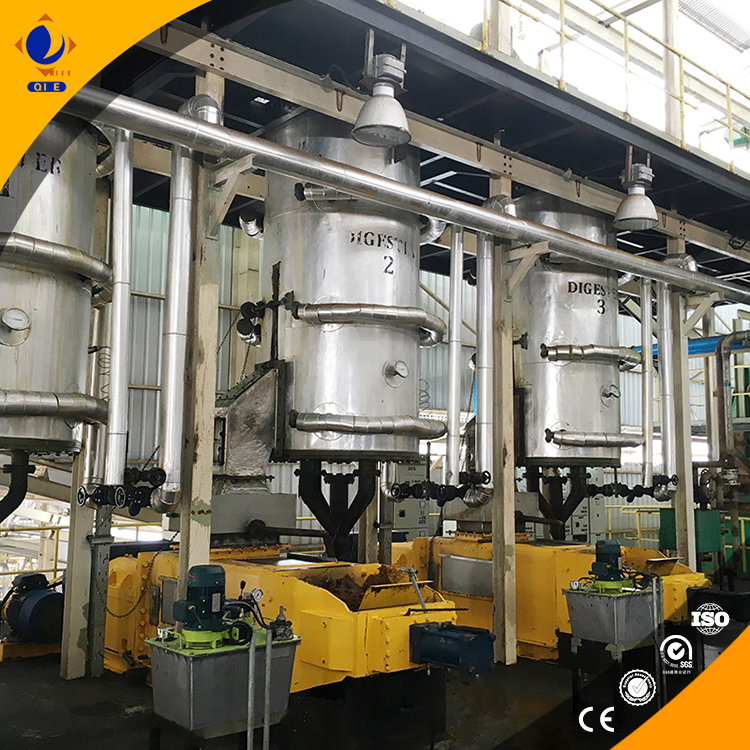
Deodorization removes volatile compounds responsible for undesirable odors and flavors. Operating under high temperature (around 240-260°C) and strong vacuum conditions (<5 mmHg) ensures efficient stripping of free fatty acids and residual contaminants.
To optimize daily 200-ton throughput, continuous monitoring of steam flow rates and vacuum quality is essential. Automated process control can adjust steam rates to maintain deodorization efficiency without excess energy consumption, typically supporting a 10-15% reduction in fuel use compared with manual regulation methods.
Extending deodorizer condenser maintenance intervals by employing corrosion-resistant alloys reduces downtime and unexpected maintenance costs.
One of the most impactful innovations in palm oil refining involves alkali dosing adjustments based on real-time FFA content measured via inline analysts. This strategy not only minimizes excess chemical consumption but also stabilizes product quality and boosts oil extraction rates.
For instance, implementing an online titrator combined with automated dosing pumps on a 200 tons/day line can reduce caustic soda use by up to 12%, and improve FFA removal efficiency by 8%. Moreover, this data-driven approach enables timely troubleshooting when raw material quality deviates, such as during seasonal shifts in fruit ripeness or sourcing variations.
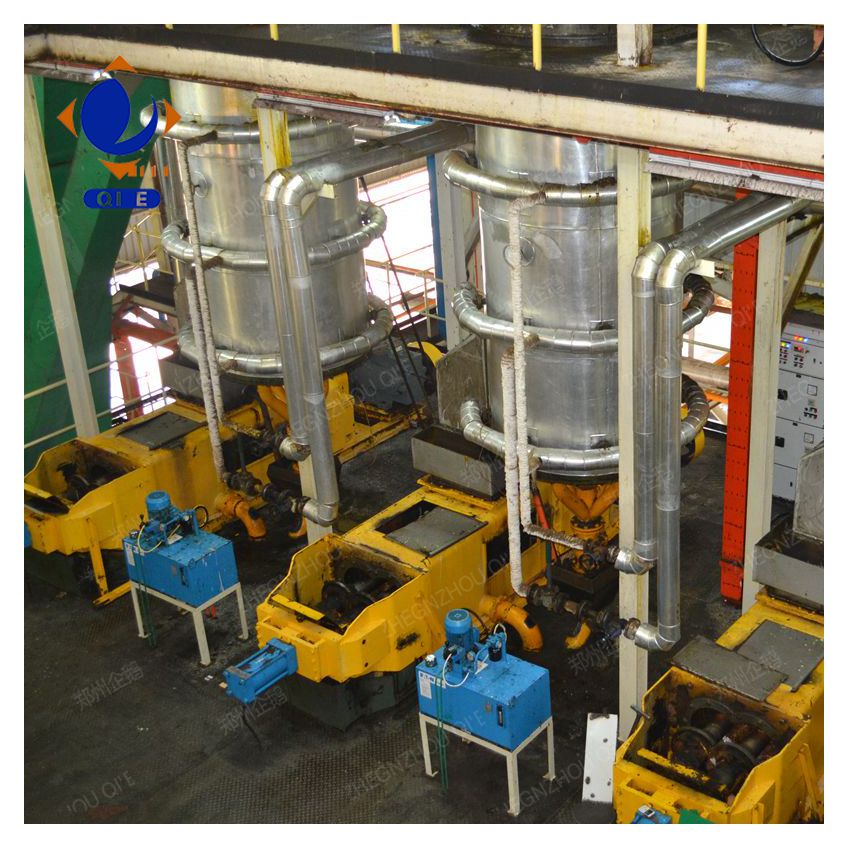
Energy consumption represents a significant cost in palm oil refining. Integrating energy-efficient equipment—such as variable frequency drives (VFD) on pumps and blowers—and deploying automation systems across process control elements greatly reduce operational expenses.
For example, replacing fixed-speed pumps with VFD counterparts can cut electrical consumption by 15-25%, while automation systems enable real-time process optimization to reduce steam and vacuum losses. This results in lower fuel bills and a reduced carbon footprint, aligning with sustainable industrial goals.
Automated systems also facilitate data logging for continuous performance analysis and predictive maintenance scheduling, increasing equipment uptime and consistent throughput.

By leveraging these practical insights, medium-sized palm oil processors can sustain efficient, high-quality refining operations that respond resiliently to raw material variability and market demands.
To explore how advanced energy-saving equipment and automated control systems can transform your palm oil refining line’s efficiency and output, discover tailored solutions today.
 palm oil automation line
PLC control system
cold press vs hot press
small palm oil mill automation
oil processing optimization
Palm oil cold pressing
Palm oil hot pressing
Palm oil refining equipment
Stable oil quality
Optimization of grain and oil processing technology
multi-voltage palm oil refining equipment
palm oil processing in unstable power grids
PLC control system for oil mills
reliable oil extraction machinery
sustainable palm oil production
palm oil refining process
cold press vs hot press
oil extraction efficiency
palm oil quality control
refining equipment for small mills
palm oil refining equipment
cold hot press technology
palm oil quality control
oil refining optimization
palm oil production efficiency
palm oil automation line
PLC control system
cold press vs hot press
small palm oil mill automation
oil processing optimization
Palm oil cold pressing
Palm oil hot pressing
Palm oil refining equipment
Stable oil quality
Optimization of grain and oil processing technology
multi-voltage palm oil refining equipment
palm oil processing in unstable power grids
PLC control system for oil mills
reliable oil extraction machinery
sustainable palm oil production
palm oil refining process
cold press vs hot press
oil extraction efficiency
palm oil quality control
refining equipment for small mills
palm oil refining equipment
cold hot press technology
palm oil quality control
oil refining optimization
palm oil production efficiency






.png?x-oss-process=image/resize,h_100,m_lfit/format,webp)
.png?x-oss-process=image/resize,h_100,m_lfit/format,webp)
.png?x-oss-process=image/resize,h_100,m_lfit/format,webp)


