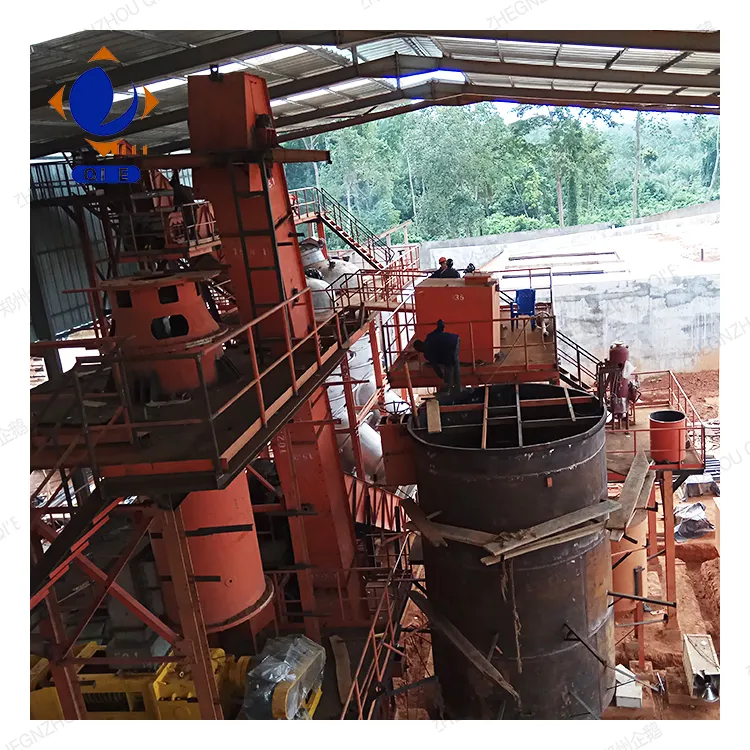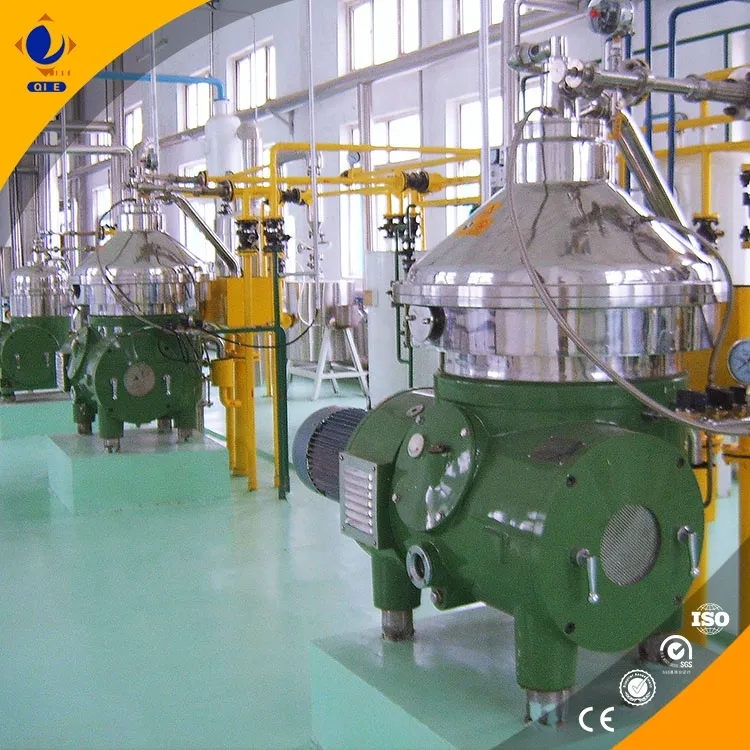
In your palm oil refining process, the caustic soda (NaOH) dosage during the alkali refining stage is critical—not only for neutralizing free fatty acids (FFA) but also for efficient removal of phospholipids and impurities. Precisely controlling this parameter can significantly impact oil yield and product quality, helping your factory reduce losses and improve operational efficiency.
The alkali refining stage neutralizes free fatty acids to form soaps, which can be separated to reduce acidity (measured as FFA). This step also emulsifies phospholipids (gums), enhancing their removal. If the caustic soda amount is insufficient, residual FFA raises acidity, lowering oil quality. Excessive dosing, however, leads to soap formation that traps valuable oil, increasing losses known as "soapy foot" and darkening oil color.
Your raw palm oil feedstock varies in FFA content daily due to harvesting time, storage, and seasonal factors. For example, fresh crude palm oil typically has 3–5% FFA, which may increase to 7% during off-season or prolonged storage. Dynamically adjusting caustic soda concentration and dosage in response to these fluctuations is paramount.
A practical approach involves frequent FFA testing with inline detectors to measure input oil acidity in real-time, allowing automatic adjustment of NaOH dosing. This avoids over- or under-dosing, improving oil yield by 3–5% as validated by operational case studies.
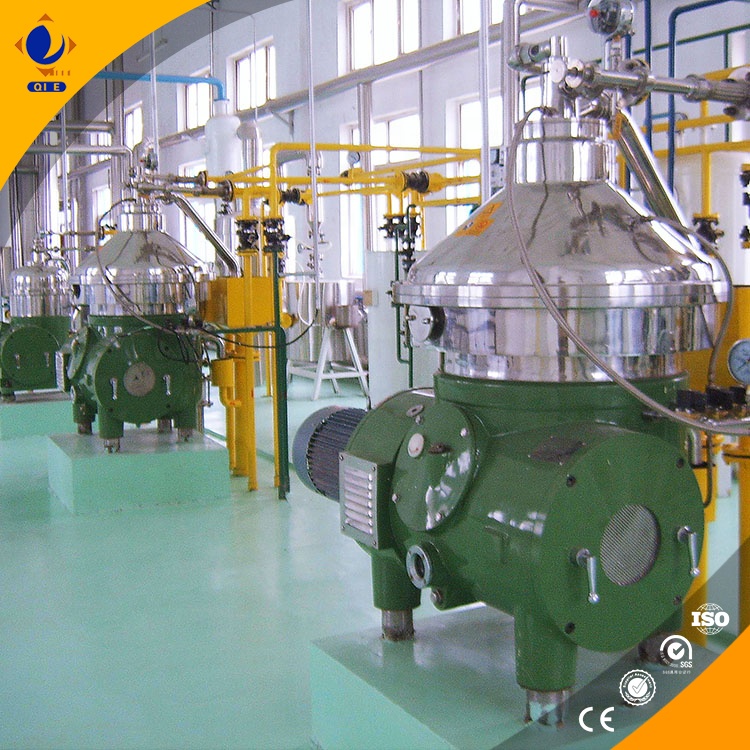
A mid-sized palm oil refinery processing approximately 200 tons daily implemented a precise dosing system integrating caustic soda flow meters with inline FFA sensors. Over a six-month period, oil extraction rates improved by an average of 4%, translating into substantial gain on volume without compromising oil quality. Simultaneously, alkali consumption decreased by 10%, reducing chemical costs and environmental load.
Integrating online FFA concentration monitoring equipment with automated caustic dosing control minimizes manual intervention errors. These smart systems provide continuous feedback loops to maintain optimal alkali levels precisely in sync with raw material acidity.
Beyond yield benefits, automation stabilizes refining parameters, reduces operator workload, and improves product consistency—helping your enterprise maintain competitiveness amid market fluctuations.
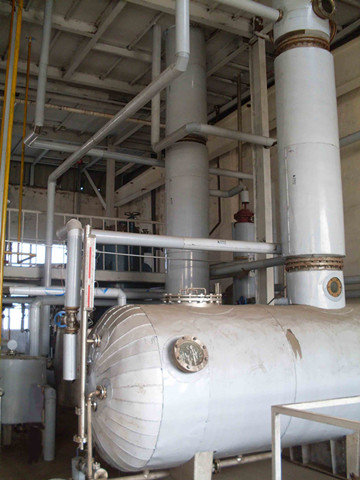
Frequently encountered issues such as excessive soap or dark oil color stem from unbalanced caustic soda dosing:
Addressing these requires calibrated dosing equipment, homogenous mixing mechanisms, and process monitoring aligned with your factory’s operational scale.
Expert Insight: "Integrating online FFA detection with automated dosing has become an industry benchmark. It not only enhances oil yield but significantly reduces waste and energy consumption during refining." – Industry Expert, Dr. Mei Ling
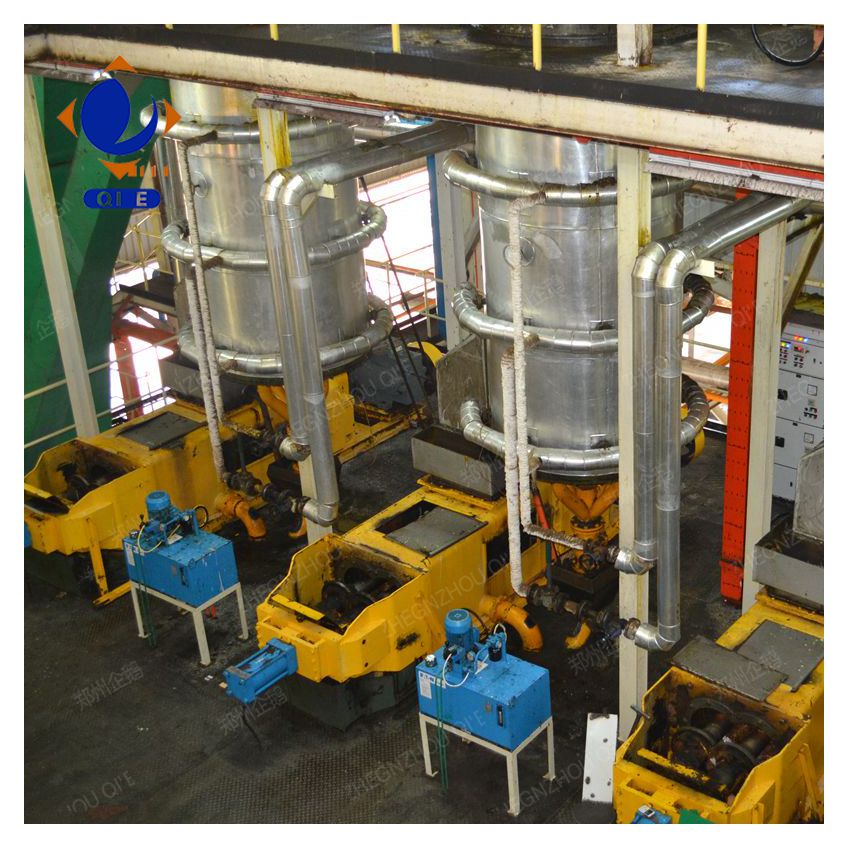
To sustainably optimize your palm oil refining process, consider adopting energy-saving caustic refining equipment combined with automated alkali dosing systems. This technology backbone will empower your factory to dynamically adjust caustic usage in real time, ensuring stable, cost-effective, and high-yield production.
Discover Tailored Solutions for Your Palm Oil Refining Optimization Today
 small-scale palm kernel oil refining equipment
energy-efficient edible oil refining
automated control system
ISO food safety standards
edible oil production in emerging markets
palm fruit pressing energy saving
automated palm oil production line
intelligent palm oil processing equipment
heat recovery system
smart motor control
PLC control system for palm oil refining
cold heat press optimization
small oil mill automation
palm oil quality improvement
automated oil processing technology
10 tons/day palm kernel oil refining equipment
automation control technology
PLC control system
HMI interface
energy-efficient oil refining
palm oil refining process
cold press vs hot press
oil extraction efficiency
palm oil quality control
refining equipment for small mills
small-scale palm kernel oil refining equipment
energy-efficient edible oil refining
automated control system
ISO food safety standards
edible oil production in emerging markets
palm fruit pressing energy saving
automated palm oil production line
intelligent palm oil processing equipment
heat recovery system
smart motor control
PLC control system for palm oil refining
cold heat press optimization
small oil mill automation
palm oil quality improvement
automated oil processing technology
10 tons/day palm kernel oil refining equipment
automation control technology
PLC control system
HMI interface
energy-efficient oil refining
palm oil refining process
cold press vs hot press
oil extraction efficiency
palm oil quality control
refining equipment for small mills







.png?x-oss-process=image/resize,h_100,m_lfit/format,webp)
.png?x-oss-process=image/resize,h_100,m_lfit/format,webp)
.png?x-oss-process=image/resize,h_100,m_lfit/format,webp)