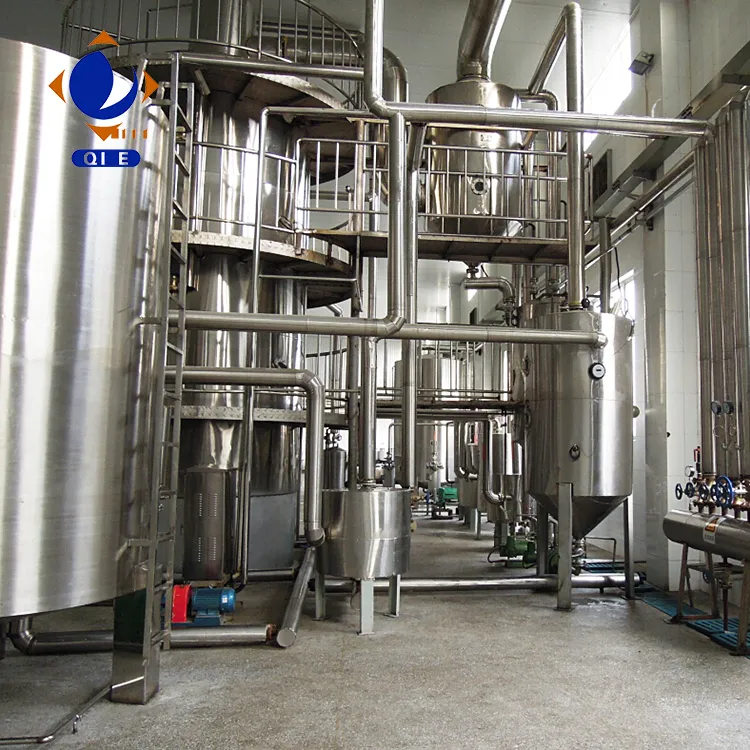
As a producer navigating the challenges of palm oil extraction, you likely face issues with inconsistent yields and fluctuating product quality that hinder your ability to compete on the international stage. Employing a cold and hot press dual-process wisely can be transformative — enabling you to preserve the nutritional integrity while maximizing oil yield. This practical guide distills the critical parameters you need to regulate, ensuring your palm oil meets international benchmarks with reduced energy consumption.
Cold pressing, typically performed between 40°C and 50°C, excels at retaining the oil's natural antioxidants and flavor profiles. Meanwhile, hot pressing, which involves gradual temperature elevation beyond 60°C, significantly enhances your extraction efficiency and purity levels. Combining these two methods balances nutritional benefits with higher throughput — crucial for both small to medium-sized mills aiming to scale production without sacrificing quality.
“For palm oil processors, mastering temperature gradients and water treatment steps is vital. Achieving ISO and HACCP compliance starts with meticulous process control.” — Industry Expert, Global Oil Processing Forum
Your cold pressing stage should maintain a stable temperature within the 40–50°C window to avoid thermal degradation of sensitive phytochemicals. Transitioning to hot pressing requires incremental heating schedules to maximize oil release without overstressing equipment or fostering unwanted emulsification.
Implementing PLC intelligent control systems can automate this temperature modulation, enabling real-time adjustments that prevent quality fluctuations linked to manual oversight. Data indicate that such automation reduces energy consumption by approximately 15-20% while boosting yield by up to 8%.
One of the most frequent headaches for mid-sized palm oil mills is excessive emulsification causing turbidity and viscosity issues. Optimizing the water washing step — carefully regulating water temperature, flow rate, and timing — can significantly mitigate this. Maintaining precise pH levels during degumming also enhances oil separation efficiency.
When degumming efficiency improves by 10-15%, you experience a marked drop in downstream processing costs and a more stable end product that aligns seamlessly with international quality certifications.
If you notice signs such as cloudy oil or unusual viscosity, first verify your temperature profiles and water washing parameters. In many cases, adjusting press residence time or upgrading degumming chemicals resolves the problem within 24 hours.
Empowering your operators with hands-on monitoring guides and automated alerts via PLC systems can reduce error rates by 30% and enhance process responsiveness.
| Parameter | Cold Press | Hot Press |
|---|---|---|
| Temperature Range | 40–50°C | 60–80°C (gradual increase) |
| Oil Yield Impact | Preserves nutrients, moderate yield | Maximizes yield and purity |
| Energy Consumption | Low | Higher but controllable with PLC |
| Common Issues | Lower yield if temp uncontrolled | Emulsification, turbidity |
Synchronizing cold and hot press operations with optimized parameter control contributes substantially to achieving ISO and HACCP certification. Such synergy strengthens compliance through consistent product quality, effective contamination control, and energy-efficient operations — all of which are increasingly demanded by global buyers.
Interested in elevating your palm oil processing line? Our PLC intelligent control solutions allow you to precisely fine-tune temperature gradients, degumming timing, and water flow rates, drastically minimizing human error.
What challenges have you encountered in regulating palm oil press parameters?
Share your experience and questions below — let’s troubleshoot and optimize together!
 small palm oil refining equipment
palm oil refining process
PLC control system
refinery maintenance safety
small scale oil processing
Palm oil refining production line
Equipment selection for small and medium - sized enterprises
Palm oil refining process
Grain and oil machinery equipment solutions
Refining deodorization technology
Palm oil refining equipment
Automation upgrade plan
PLC control system
Efficiency improvement in African oil mills
Cold and hot pressing process optimization
Palm oil refining process
Small palm oil equipment
PLC control system
Palm oil processing practice
Refining equipment maintenance
economical palm oil refining equipment
small-scale palm oil production line
palm oil refining machine selection
palm oil refining process
equipment maintenance tips
small palm oil refining equipment
palm oil refining process
PLC control system
refinery maintenance safety
small scale oil processing
Palm oil refining production line
Equipment selection for small and medium - sized enterprises
Palm oil refining process
Grain and oil machinery equipment solutions
Refining deodorization technology
Palm oil refining equipment
Automation upgrade plan
PLC control system
Efficiency improvement in African oil mills
Cold and hot pressing process optimization
Palm oil refining process
Small palm oil equipment
PLC control system
Palm oil processing practice
Refining equipment maintenance
economical palm oil refining equipment
small-scale palm oil production line
palm oil refining machine selection
palm oil refining process
equipment maintenance tips








.png?x-oss-process=image/resize,h_100,m_lfit/format,webp)
.png?x-oss-process=image/resize,h_100,m_lfit/format,webp)
.png?x-oss-process=image/resize,h_100,m_lfit/format,webp)