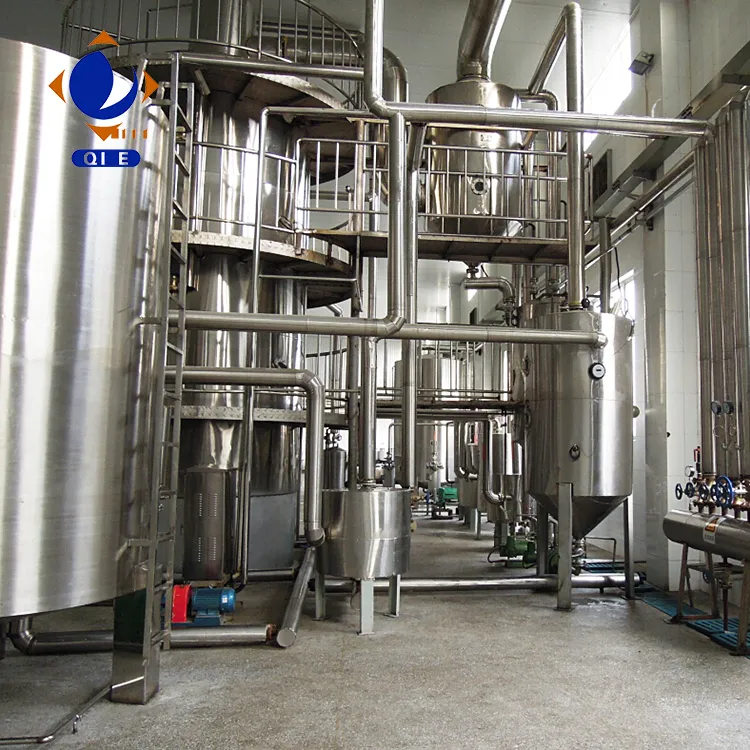
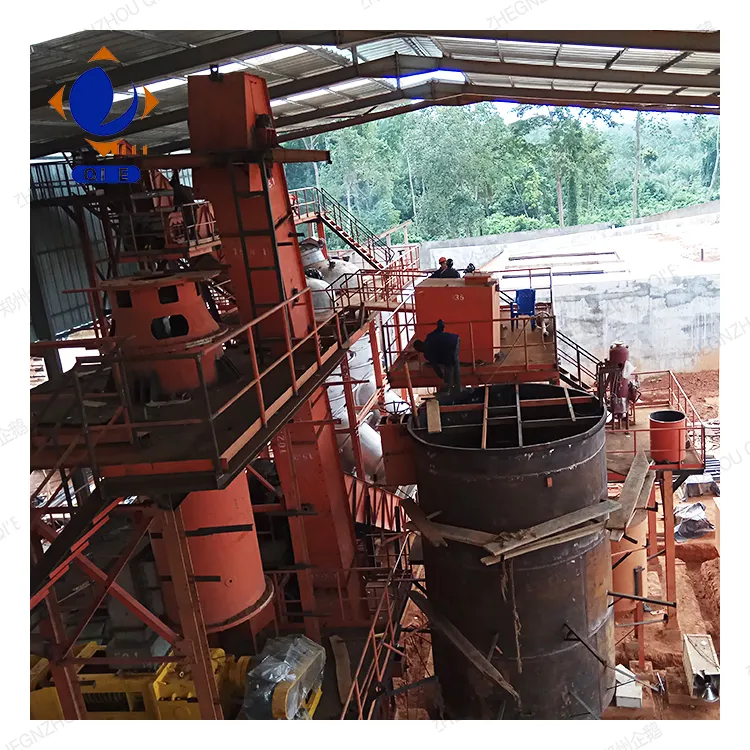
In Nigeria and several African regions, persistent fluctuations in electrical supply present significant hurdles for palm oil processing plants. Voltage instability not only hampers the smooth operation of sensitive refining equipment but also risks costly downtime and early degradation of key machinery components. This article delves into the design and selection of multi-voltage adaptable palm oil refining equipment—capable of stable operation within a 230V to 430V range—offering a proven technological pathway to mitigate these operational risks.
Frequent voltage swings, commonly up to ±20% around nominal values, can cause erratic equipment performance in refining lines. Motors may overheat, sensitive electronic components can malfunction, and PLC (Programmable Logic Controller) systems may face instability, leading to frequent production halts.
For example, case studies from mid-sized Nigerian oil mills reported an average of 15% unexpected downtime annually, mainly attributed to voltage irregularities—translating to roughly 120 production hours lost per year and a corresponding 8–12% rise in operating costs due to equipment failures and manual intervention.
Modern palm oil refining equipment incorporating multi-voltage input design leverages robust power electronics and automatic voltage adaptation circuits. These systems dynamically regulate input power within a 230V–430V envelope without compromising output performance.
Such adaptability protects motors, drives, and the electronic control systems, especially PLC units, ensuring continuous, programmed operation. The architecture commonly integrates voltage surge suppressors, wide-range transformers, and optimized circuitry to prevent damage during spikes or sags.
Deploying single-voltage machinery designed strictly for fixed inputs (e.g., 230V) in Nigerian or similar markets risks repeated failures. Voltage deviations beyond tolerance cause premature bearing wear, insulation breakdown, and electronic faults.
Instances have documented that such mismatch leads to equipment lifespan reductions of up to 30% and unplanned downtime surging by 25-40%. Furthermore, repair costs accumulate rapidly, eroding profitability and threatening factory throughput continuity.
Beyond voltage considerations, the choice of high-resilience materials for key wear parts—such as seals, bearings, and mesh filters—significantly improves overall equipment longevity. For example, incorporating stainless steel alloys with enhanced abrasion resistance and advanced polymer composites for seals can increase component life expectancy by 40-50%.
Predictive maintenance supported by lifespan modeling also enables planned interventions that minimize disruption and optimize operational expenditures.
The integration of PLC control systems offers smarter process management, reducing reliance on manual oversight while increasing precision in temperature, pressure, and flow regulation. Automated fault detection can alert technicians before small issues escalate, thereby preserving continuous production and decreasing labor costs by an estimated 15-20%.
Energy-efficient motors and controlled heat systems contribute to greener operations, complying with evolving environmental regulations and improving brand image. Sustainable practices include waste heat recovery, optimized power consumption, and reduced emissions—resulting in potential energy savings up to 25% compared to older setups.
For mid-sized enterprises facing variable grid conditions, multi-voltage adaptable equipment paired with durable core components and robust after-sales service emerges as a strategic investment. Priorities include:
These factors collectively drive lower total cost of ownership (TCO) and ensure operational resilience, converting unstable grid challenges into manageable variables.
Equipment procurement decisions can be optimized using a weighted decision matrix that scores each candidate machine on voltage tolerance range, components wear resistance, automation capabilities, and supplier service quality. Such data-centric evaluations minimize risk and enhance return on investment.
For instance, assigning 30% weight to voltage adaptability and 25% to core parts durability provides a quantitative pathway to compare competing products on comparable grounds.
 palm oil refining machine
cost-effective oil processing equipment
palm oil refining process
industrial palm oil refining
PLC-controlled oil refiner
modular palm oil refining equipment
palm oil processing for SMEs
energy-efficient refining technology
palm oil equipment selection
sustainable manufacturing equipment
economical palm oil refining machine
small palm oil processing equipment
palm oil refining process
refinery maintenance tips
production efficiency improvement
Small - scale palm oil refining production line
PLC control system
Equipment stability enhancement
Economical grain and oil equipment
Full - process automation of palm oil
palm oil refining process
PLC control system in oil processing
automated oil refining plant
palm oil refining equipment maintenance
industrial automation for edible oil production
palm oil refining machine
cost-effective oil processing equipment
palm oil refining process
industrial palm oil refining
PLC-controlled oil refiner
modular palm oil refining equipment
palm oil processing for SMEs
energy-efficient refining technology
palm oil equipment selection
sustainable manufacturing equipment
economical palm oil refining machine
small palm oil processing equipment
palm oil refining process
refinery maintenance tips
production efficiency improvement
Small - scale palm oil refining production line
PLC control system
Equipment stability enhancement
Economical grain and oil equipment
Full - process automation of palm oil
palm oil refining process
PLC control system in oil processing
automated oil refining plant
palm oil refining equipment maintenance
industrial automation for edible oil production






.png?x-oss-process=image/resize,h_100,m_lfit/format,webp)
.png?x-oss-process=image/resize,h_100,m_lfit/format,webp)
.png?x-oss-process=image/resize,h_100,m_lfit/format,webp)