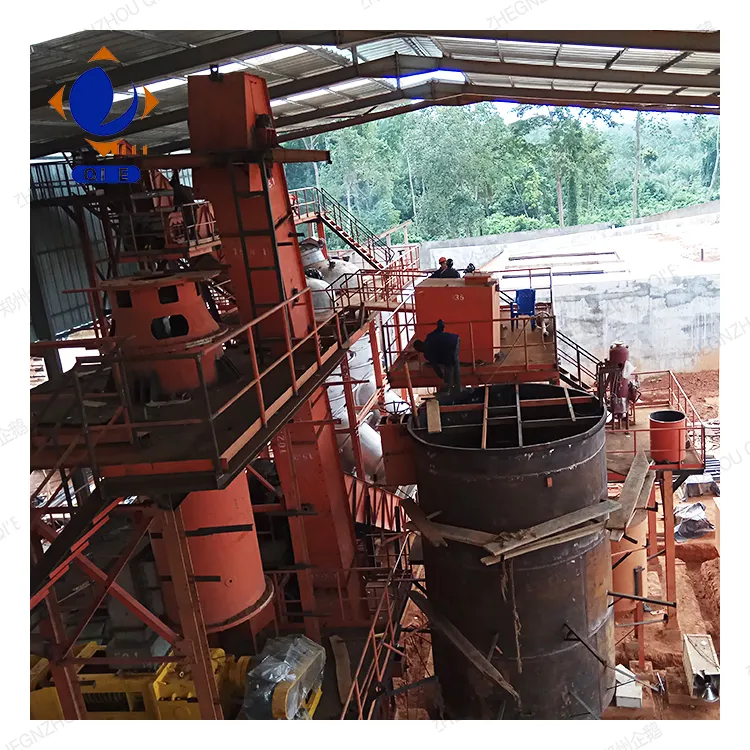
For small and medium-sized palm oil processors in Nigeria and across West Africa, rising labor costs—often exceeding 40% of total production expenses—are no longer sustainable. According to a 2023 report by the International Institute of Tropical Agriculture (IITA), manual operations in traditional mills result in an average of 12–18% yield loss due to inconsistent temperature control, improper pressure settings, and human error during cold-press and hot-press refining stages.
Many African oil mills still rely on untrained workers to manage critical steps like deodorization, bleaching, and filtration. This leads not only to quality inconsistencies but also to safety risks—especially when handling high-temperature systems or volatile organic compounds. A study published in the Journal of Food Engineering found that automated systems reduce process deviations by up to 70%, directly improving compliance with international standards such as ISO 22000 and HACCP.
By integrating Programmable Logic Controllers (PLCs) into their existing infrastructure, mills can achieve real-time monitoring and closed-loop regulation of key parameters including temperature, pressure, flow rate, and residence time—all essential for consistent oil quality and reduced waste.
In raw material pre-treatment, PLCs ensure precise moisture removal and filtration before pressing, minimizing contamination. During cold-press refining, smart algorithms adjust mechanical pressure based on kernel hardness—a feature particularly valuable for varying harvest qualities. For hot-press processes, the system maintains optimal temperatures between 180°C and 220°C, reducing energy consumption by up to 15% compared to manual control.
Even at the final filling stage, automation ensures accurate dosing and sealing, preventing spillage and ensuring compliance with packaging regulations. One Nigerian mill reported a 25% increase in throughput within three months after installing a modular PLC-based system, while simultaneously cutting down on rework and rejected batches.
To maximize ROI, regular maintenance is crucial. Operators should schedule monthly checks on sensor calibration, hydraulic pressure levels, and motor efficiency. Implementing predictive maintenance via IoT-enabled sensors can further reduce downtime by up to 40%, according to data from Siemens Energy Africa.
Proper training for local technicians—not just engineers—is equally important. A well-supported team can troubleshoot basic issues quickly, avoiding costly external service calls. Many successful implementations have included hands-on workshops tailored to regional language needs and operational contexts.
Ready to explore how your mill can benefit from modern PLC-based automation? Discover proven solutions designed specifically for African palm oil producers looking to cut labor dependency, boost consistency, and meet global market demands.
 palm oil refining machine maintenance
small scale palm oil processing
refinery equipment care
PLC control system保养
industrial oil refining maintenance
palm oil refining production line
palm fruit pressing
oil quality improvement
equipment selection guide
small and medium palm oil processing
Palm oil refining production line
Equipment selection guide
Small and medium - sized enterprises
Palm fruit pressing
Process flow analysis
cold press palm oil
hot press palm oil
palm oil refining technology
oil quality stability
sustainable oil processing
Palm oil refining production line
Palm fruit pressing
Refining deodorization process
Equipment selection for small and medium - sized enterprises
Grain and oil machinery equipment
palm oil refining machine maintenance
small scale palm oil processing
refinery equipment care
PLC control system保养
industrial oil refining maintenance
palm oil refining production line
palm fruit pressing
oil quality improvement
equipment selection guide
small and medium palm oil processing
Palm oil refining production line
Equipment selection guide
Small and medium - sized enterprises
Palm fruit pressing
Process flow analysis
cold press palm oil
hot press palm oil
palm oil refining technology
oil quality stability
sustainable oil processing
Palm oil refining production line
Palm fruit pressing
Refining deodorization process
Equipment selection for small and medium - sized enterprises
Grain and oil machinery equipment




.png?x-oss-process=image/resize,h_100,m_lfit/format,webp)
.png?x-oss-process=image/resize,h_100,m_lfit/format,webp)
.png?x-oss-process=image/resize,h_100,m_lfit/format,webp)