Home > News > Advanced Techniques for Removing Phospholipids and Metal Ions in Palm Oil Refining to Enhance Export Quality

Advanced Techniques for Removing Phospholipids and Metal Ions in Palm Oil Refining to Enhance Export Quality

QI ' E Group
2026-03-31
Technical knowledge
Phospholipids and metal ions are critical impurities affecting the quality of refined palm oil destined for export. This article provides a comprehensive overview of the full refining process—from water degumming and activated bleaching earth adsorption to vacuum deodorization with temperature gradient control—emphasizing practical parameters and troubleshooting tips. Real-world raw material fluctuation cases are analyzed to equip process engineers with actionable insights that reduce defect rates, extend equipment lifespan, and ensure compliance with international edible oil safety standards.
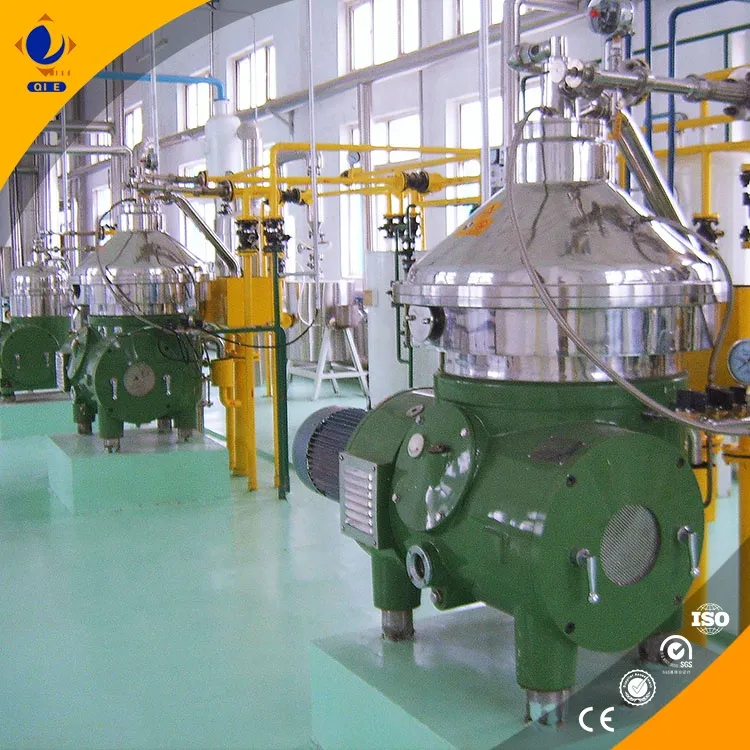
Phospholipid removal efficiency chart in palm oil refining

Advanced Techniques for Removing Phospholipids and Metal Ions in Palm Oil Refining

The presence of phospholipids and metal ions during palm oil refining poses significant challenges to achieving export-grade quality. Effective elimination of these impurities is essential not only to reduce product rejection rates but also to extend equipment lifetime and boost international competitiveness. This article meticulously outlines the entire refining workflow—from water degumming to activated bleaching clay treatment, followed by precise vacuum deodorization temperature control—equipping process engineers with actionable parameters and troubleshooting insights for daily processing lines handling 200 tons.

Critical Stages of Impurity Removal in Palm Oil Refining

The refining pipeline can be divided into three crucial phases where phospholipids and metal ions are targeted:

  • Pre-treatment (Water Degumming): This stage primarily removes phospholipids by hydrating them, facilitating separation. Maintaining pH values between 5.5 and 6.5 optimizes degumming efficiency.
  • Intermediate Purification (Activated Bleaching Clay Adsorption): Metal ions such as iron and copper, often introduced by raw material fluctuations, are adsorbed here. Operating temperatures from 95 to 110°C and adequate contact time of 30-45 minutes significantly influence adsorption efficiency.
  • Final Refining (Vacuum Deodorization): Temperature gradients must be carefully controlled between 230°C and 260°C under high vacuum (<5 mmHg) to prevent oil deterioration while ensuring removal of residual impurities.

Key Operational Parameters Table

Process Stage Critical Parameter Optimal Range Impact on Quality
Water Degumming pH 5.5 – 6.5 Maximizes phospholipid hydration & separation
Bleaching Clay Adsorption Temperature 95 – 110°C Enhances metal ion adsorption efficiency
Bleaching Clay Adsorption Contact Time 30 – 45 minutes Ensures sufficient impurity capture
Vacuum Deodorization Temperature 230 – 260°C Removes residual free fatty acids without oil degradation
Vacuum Deodorization Vacuum Level <5 mmHg Prevents oxidation and off-flavor development

Understanding Raw Material Variability and Its Effects

Incoming crude palm oil quality is highly variable, with fluctuations in phospholipid concentration and metal ion content depending on origin, storage conditions, and extraction methods. For example, an increase of metal ion concentration by 20% compared to baseline can decrease bleaching clay efficiency by up to 15%, risking elevated impurity residuals in the finished product. Continuous monitoring and adjustment of process parameters are imperative. The following insights from field cases prove valuable:
  • During a raw material batch with high iron content, prolonging bleaching contact time by 10 minutes prevented substandard oil batches.
  • A subtle pH drift beyond 6.5 in the degumming stage led to incomplete phospholipid removal, directly correlating with reduced shelf-life stability.
  • Careful gradient control of deodorization temperature eliminated the risk of oil darkening while maintaining effective impurity removal.
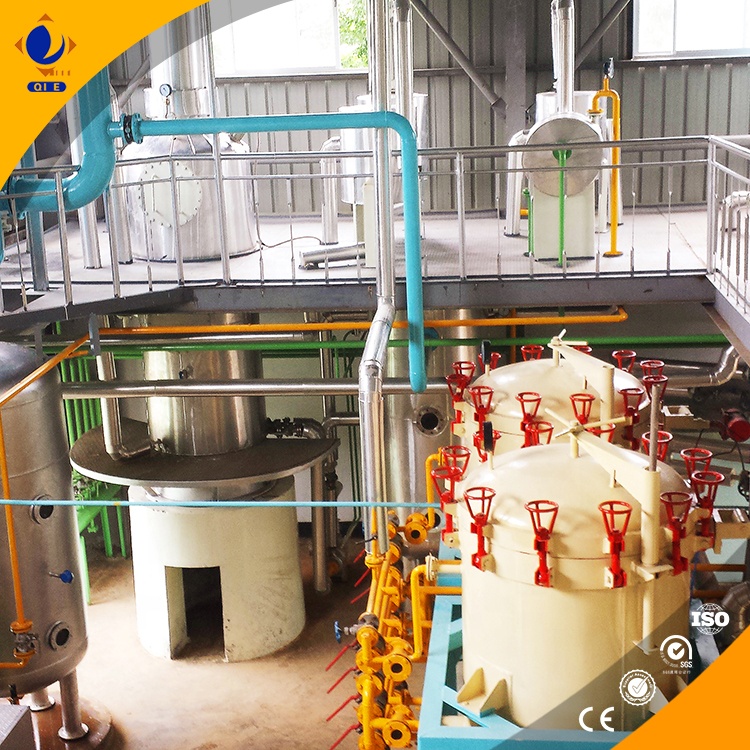
Phospholipid removal efficiency chart in palm oil refining

Common Pitfalls and Practical Troubleshooting Tips

Despite adherence to process norms, certain recurring issues can undermine refining quality. Below are common mistakes and how to effectively avoid them:
Misstep: Overheating during bleaching clay treatment
Consequences: Clay degradation, increased oil coloration, reduced adsorption capability
Correction: Maintain strict temperature control with real-time monitoring; calibrate thermocouples monthly.
Misstep: Insufficient vacuum level during deodorization
Consequences: Oxidation, off-flavors, shortened shelf life
Correction: Schedule regular vacuum pump maintenance and install vacuum alarms for early alerts.
Misstep: Ignoring raw material quality variations
Consequences: Process inefficiencies and inconsistent product quality
Correction: Implement raw oil quality screening protocols and flexible parameter adjustments.
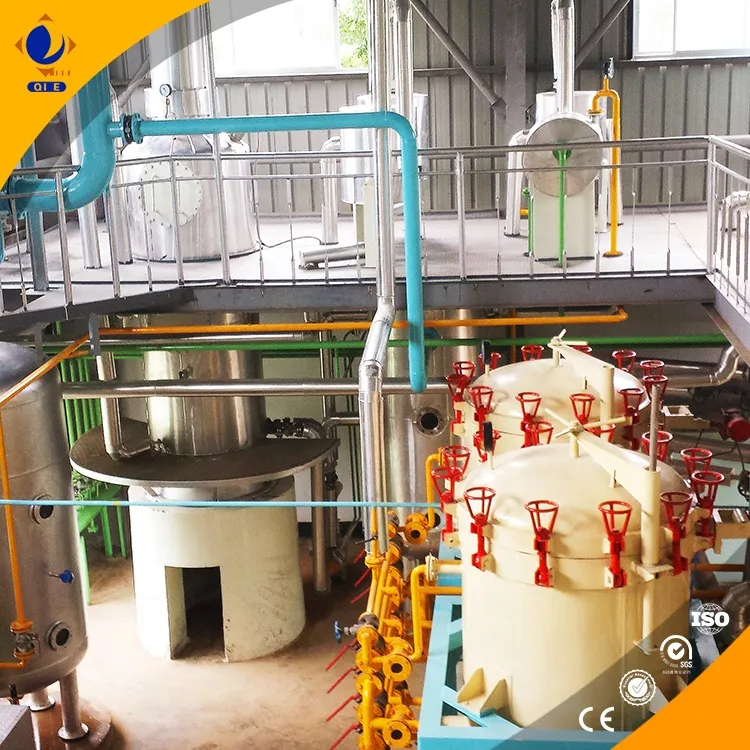
Operational workflow diagram of palm oil refining with impurity removal highlights

Enhancing International Market Competitiveness with Process Optimization

Refined palm oil products that meet and exceed international food safety standards deliver competitive advantages. Reducing phospholipids and metal ions translates directly to lower levels of trace contaminants such as heavy metals and oxidation products, key metrics scrutinized in global markets. The Penguin Group’s commitment to integrating advanced techniques and rigorous quality control empowers manufacturers to:

  • Decrease non-conforming product ratios by up to 25%
  • Extend refining equipment service-life by 10-15%
  • Achieve superior oxidative stability tailored to major export destinations such as EU, USA, and Middle East

By embedding these refined processes into daily production, palm oil producers significantly enhance brand reputation and long-term profitability.
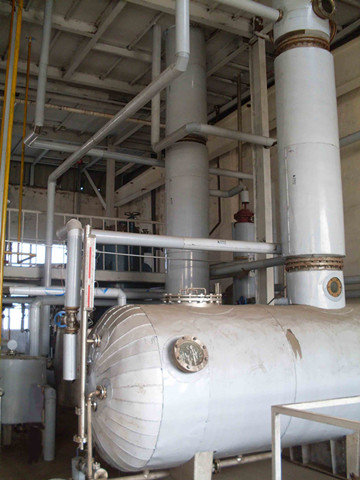

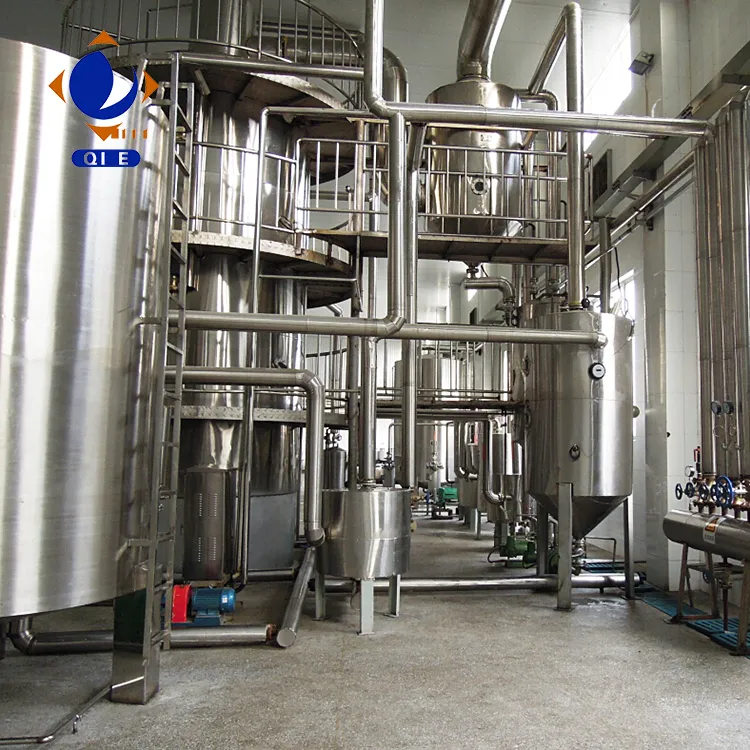
Quality control and product testing ensuring export-grade palm oil compliance
Name *
Email *
WhatsApp *
Message*

Recommended Products

Related Reading

Stable Operation of Small-Scale Edible Oil Refining Equipment in High Temperature and Humidity: Energy-Saving and Anti-Corrosion Solutions

2026-03-03 | https://shmuker.oss-accelerate.aliyuncs.com/tmp/temporary/60ec5bd7f8d5a86c84ef79f2/60ec5bdcf8d5a86c84ef7a9a/20240305160636/lable.png small-scale edible oil refining equipment high temperature and humidity operation energy-saving refining process anti-corrosion design automated control system

From Power Outages to Continuous Production: The Real-World Value of Multi-Voltage Palm Oil Refining Equipment

2026-01-08 | https://shmuker.oss-accelerate.aliyuncs.com/tmp/temporary/60ec5bd7f8d5a86c84ef79f2/60ec5bdcf8d5a86c84ef7a9a/20240305160636/lable.png multi-voltage palm oil refining equipment palm oil processing in unstable power grids PLC control system for oil mills reliable oil extraction machinery sustainable palm oil production

How PLC Automation Reduces Labor Costs in Nigerian Small-Scale Palm Oil Mills

2026-02-05 | https://shmuker.oss-accelerate.aliyuncs.com/tmp/temporary/60ec5bd7f8d5a86c84ef79f2/60ec5bdcf8d5a86c84ef7a9a/20240305160636/lable.png PLC automation for palm oil mills small-scale oil refining automation Nigerian agro-processing technology automated palm oil production oil refining process optimization

Solving Palm Oil Quality Fluctuations: Dual Cold-Hot Press Technology for Stable, High-Yield Refining

2025-12-30 | https://shmuker.oss-accelerate.aliyuncs.com/tmp/temporary/60ec5bd7f8d5a86c84ef79f2/60ec5bdcf8d5a86c84ef7a9a/20240305160636/lable.png palm oil refining equipment cold hot press technology palm oil quality control oil refining optimization palm oil production efficiency

How PLC Automation Boosts Efficiency in Small Palm Oil Mills: A Closed-Loop Solution for Africa

2026-02-04 | https://shmuker.oss-accelerate.aliyuncs.com/tmp/temporary/60ec5bd7f8d5a86c84ef79f2/60ec5bdcf8d5a86c84ef7a9a/20240305160636/lable.png small palm oil mill automation PLC control system cold hot pressing optimization oil refining equipment automated palm oil processing

Hot Products

Popular articles
img
img
H8419363f2809471187125604672fdcedK.jpg
img
H1b9d2bc356264d108614584f9c1f5f953.jpg
A9dafdefdc09d401190df5d7cd4f33618x.jpg
He9074e956bf64a64bc1a06bd93c55ac0O.jpg
H58ea2852509a4d9f95e359a42d8c70afC.jpg
H3cbb197e058c43179ff342d83e46861eZ.jpg
H3d92c82665af426fa5c94c8db4974a6bv.jpg
Recommended Reading
Contact us
Contact us
https://shmuker.oss-accelerate.aliyuncs.com/tmp/temporary/60ec5bd7f8d5a86c84ef79f2/60ec5bdcf8d5a86c84ef7a9a/thumb-prev.png