

In the highly competitive global edible oil market, refining palm oil to meet international safety and quality standards is paramount. Managing impurities such as phospholipids and metal ions remains one of the most significant technical challenges in daily operations of palm oil production lines processing 200 tons per day or more. This guide, brought to you by Penguin Group, details the full-process technology for effective impurity removal, enabling operators and process engineers to reduce off-spec products and maximize product quality and marketability.
Phospholipids arise primarily from natural lecithin content in crude palm oil and carry impurities such as bound proteins and trace metals. Metal ions including iron (Fe), copper (Cu), and others typically originate from the milling equipment corrosion and raw material contamination. These impurities catalyze oxidation, adversely affecting oil stability, color, taste, and shelf life.
Untreated, phospholipids and metal ions accelerate thermal degradation, causing higher free fatty acid (FFA) levels and color reversion. For industrial production lines daily processing approximately 200 tons, maintaining phospholipid content below 10 mg/kg and metal ions under 0.1 ppm is essential to comply with international edible oil standards and consumer safety regulations.
The initial step involves water washing degumming to hydrate phospholipids for effective separation. This process depends heavily on precise control of temperature (60–70°C), water-to-oil ratio (3–5% v/v), and mixing time (20–30 minutes). Monitoring pH levels between 6.5 to 7.0 optimizes phospholipid hydration without excessive emulsification.
Real-case data demonstrates that adjusting the mixing intensity and temperature according to raw material variability can improve degumming efficiency by up to 15%, reducing phospholipid residuals to below 8 mg/kg consistently.
After degumming, adsorption using activated bleaching earth (bleaching clay) effectively removes remaining phospholipids and metal ions. Selection of high-activity adsorbents with surface area >200 m²/g and optimized dosing (1.5–2% wt per oil volume) is critical.
Operating parameters such as adsorption temperature (90–110°C) and contact time (20–40 minutes) must be consistently maintained. Case studies reveal that inadequate bleaching clay dosing or temperature fluctuations cause incomplete metal ion removal, increasing off-spec product rates by 7–12%.
The last phase involves vacuum deodorization at 230–250°C under 2–5 mbar pressure to volatilize residual volatile impurities. This high-temperature process further degrades trace phospholipids and effectively removes volatile metal ion complexes, stabilizing oil quality.
Precise control of vacuum levels and steam stripping rates prevents thermal damage, preserving nutritional and sensory properties. Data from multiple industrial runs indicates maintaining parameters within ±3% variance of target values reduces discoloration incidents by 20% and FFA increase by 30%.
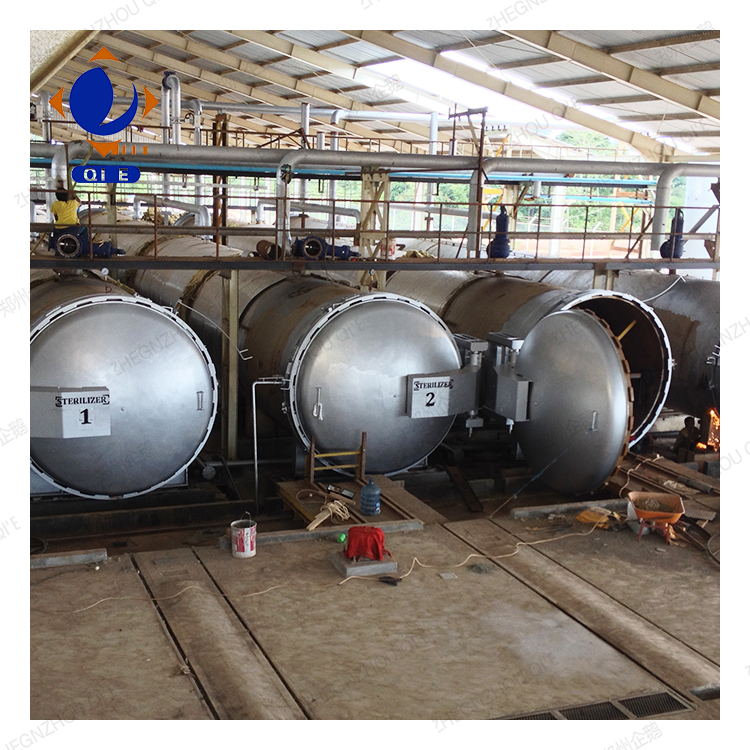
Variations in crude palm oil feedstock — influenced by harvesting season, origin, and processing — substantially alter phospholipid and metal ion profiles. Penguin Group’s analysis of multiple production batches exposed how increased moisture or unseasonal contamination spikes phospholipid content by up to 25% and iron levels beyond 0.15 ppm, challenging standard removal processes.
Rapid identification of these deviations through on-site spectrometric and titration techniques allows early process adjustment, such as increasing degumming water ratios or adsorbent dosage by 10–15%, mitigating quality risks before downstream processing.
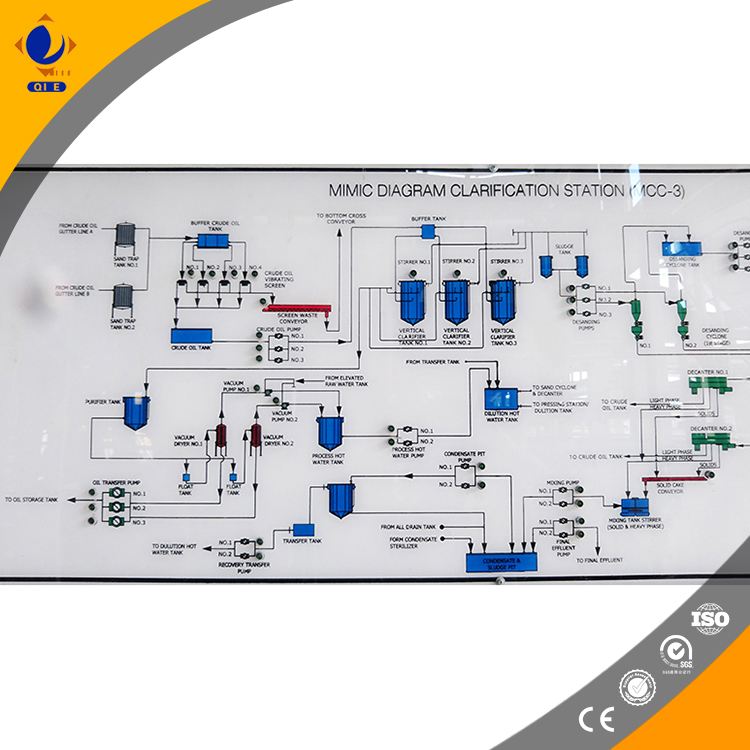
Based on extensive technical audits, the most frequent operational errors involve:
Implementing real-time monitoring and standardized checklists can reduce these issues by 40%, improving yield and reducing maintenance costs.
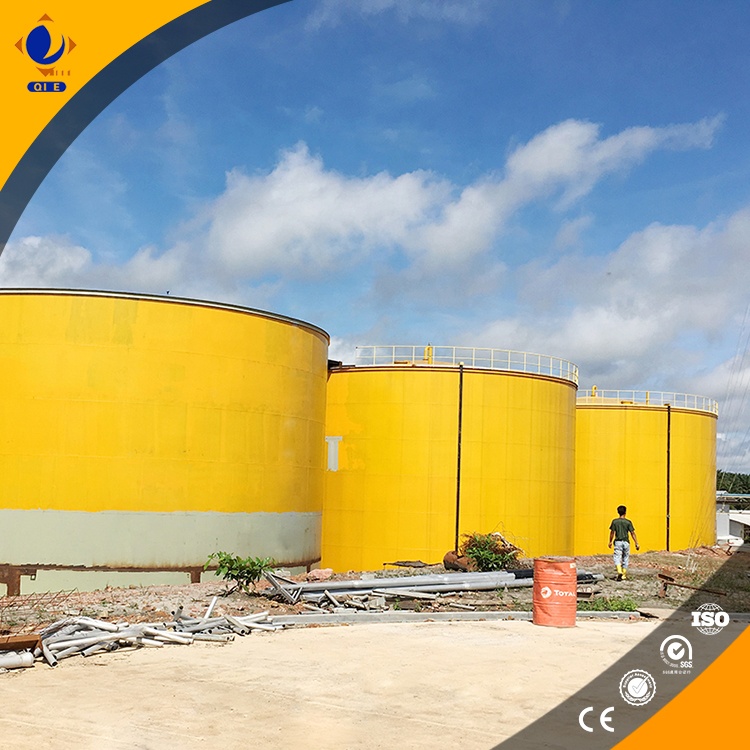
| Parameter | Optimal Range | Impact on Quality |
|---|---|---|
| Degumming Temperature | 60–70°C | Maximizes phospholipid hydration |
| Bleaching Clay Dosage | 1.5–2% (wt/v) | Efficient metal ion and pigment adsorption |
| Vacuum Deodorization Pressure | 2–5 mbar | Prevents thermal degradation |
Integrating advanced phospholipid and metal ion removal techniques tailored for large-scale palm oil refining empowers manufacturers to meet stringent international standards while optimizing operational efficiency. Penguin Group’s proven methodologies, backed by data-driven process controls, deliver enhanced taste, extended shelf life, and superior oxidative stability to final products.
 palm oil automation
PLC control in oil processing
labor cost reduction
small palm oil mill efficiency
smart cold hot pressing control
palm oil refining
cold press palm oil
hot press palm oil
oil quality stability
production parameter optimization
cold press palm oil refining
hot press palm oil extraction
palm oil quality stability
small oil mill optimization
palm oil refining process
palm oil refining process
dual cold and hot pressing
palm oil quality stability
palm oil degumming technology
edible oil processing equipment
fully automated palm kernel oil extraction
palm kernel oil refining system
PLC automated control
grain and oil processing equipment
palm kernel oil equipment maintenance
palm oil automation
PLC control in oil processing
labor cost reduction
small palm oil mill efficiency
smart cold hot pressing control
palm oil refining
cold press palm oil
hot press palm oil
oil quality stability
production parameter optimization
cold press palm oil refining
hot press palm oil extraction
palm oil quality stability
small oil mill optimization
palm oil refining process
palm oil refining process
dual cold and hot pressing
palm oil quality stability
palm oil degumming technology
edible oil processing equipment
fully automated palm kernel oil extraction
palm kernel oil refining system
PLC automated control
grain and oil processing equipment
palm kernel oil equipment maintenance







.png?x-oss-process=image/resize,h_100,m_lfit/format,webp)
.png?x-oss-process=image/resize,h_100,m_lfit/format,webp)
.png?x-oss-process=image/resize,h_100,m_lfit/format,webp)


