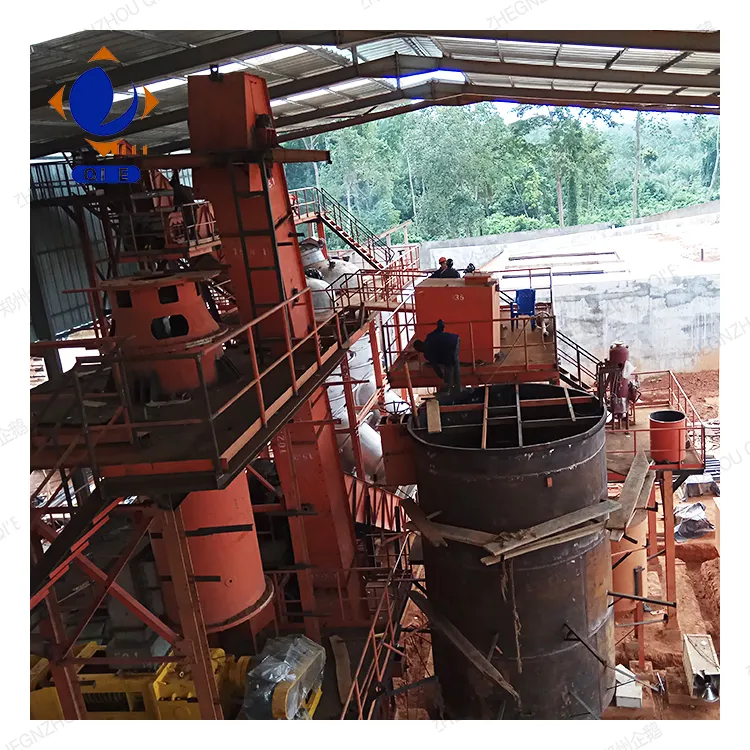
In Nigeria, where electrical grid fluctuations affect over 60% of palm oil processing factories, unpredictable voltage supply has become a critical operational challenge. Frequent voltage sags, surges, and outages not only halt production but also accelerate wear and reduce lifespan of refining equipment. This article explores how multi-voltage adaptation technology, accommodating input ranges between 230V to 430V, ensures stable and efficient operation of palm oil refining machinery in volatile power environments.
Nigeria’s power infrastructure experiences typical voltage instability characterized by fluctuations exceeding ±20% of nominal voltage. These disturbances can cause frequent trips in conventional single-voltage machines fixed at 380V, leading to downtime and increased maintenance costs. The resulting operational inefficiencies and potential damage compromise the entire production line and undermine process consistency.
Multi-voltage adaptation technology integrates advanced power electronics and control logic to accept a wide voltage input range without performance degradation. This flexibility is achieved through dynamic voltage regulators, variable frequency drives, and robust PLC (Programmable Logic Controller) systems that continuously monitor and adjust power delivery parameters in real time.
The PLC controllers are specifically programmed to handle voltage fluctuations by compensating for transient dips and preventing shutdowns. Such systems utilize real-time diagnostic feedback loops, ensuring stable motor torque and consistent refining temperatures, critical for palm oil quality preservation.
Unlike multi-voltage designs, single-voltage models lack the adaptability to voltage swings common in Nigerian grids. For instance, a typical 380V fixed machine may trip when voltage dips below 342V or surges above 418V, halting operations abruptly.
Case studies underline consequences such as accelerated motor winding insulation failure, overheating of electrical components, and frequent PLC malfunctions. These failures culminate in increased unplanned downtime, escalating repair costs by approximately 25% annually compared to plants employing multi-voltage solutions.
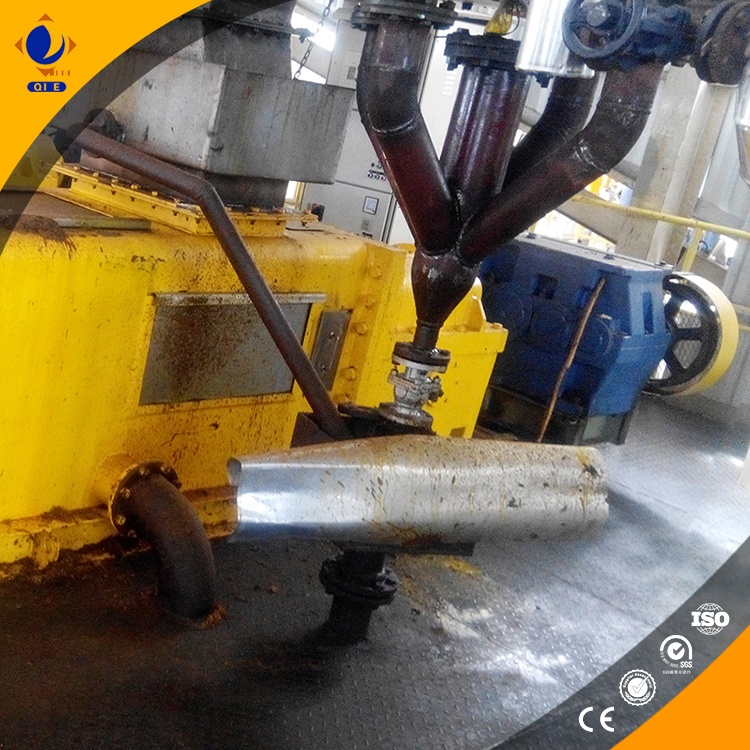
The longevity of refining equipment significantly depends on the quality of core parts such as bearings, motor windings, and electronic circuit boards. Selecting wear-resistant materials, like high-grade stainless steel or composite ceramics for key mechanical components, improves resistance to abrasive palm residues and corrosive processing conditions.
Additionally, predictive lifespan estimation models utilize load, temperature, and voltage stability data. These models help factory managers anticipate maintenance windows, optimize spare part inventory, and minimize downtime risks.
 Economy palm oil refining machine
Palm oil refining process
Small - scale palm oil production line
Refining machine maintenance skills
Operation of grain and oil machinery
Small-scale palm oil refining
Palm oil processing flow
PLC control system
Refining equipment operation guide
Palm oil quality improvement
Small-scale palm oil refining process
Palm oil degumming and deacidification process
PLC-controlled refining equipment
Practical guide for small oil mills
Palm oil refining parameter settings
palm oil refining equipment
cold-heat press process
palm oil quality improvement
edible oil processing technology
refining process optimization
palm oil refining equipment selection
small scale palm oil processing
palm oil deodorization technology
oil refining process layout
edible oil production optimization
Economy palm oil refining machine
Palm oil refining process
Small - scale palm oil production line
Refining machine maintenance skills
Operation of grain and oil machinery
Small-scale palm oil refining
Palm oil processing flow
PLC control system
Refining equipment operation guide
Palm oil quality improvement
Small-scale palm oil refining process
Palm oil degumming and deacidification process
PLC-controlled refining equipment
Practical guide for small oil mills
Palm oil refining parameter settings
palm oil refining equipment
cold-heat press process
palm oil quality improvement
edible oil processing technology
refining process optimization
palm oil refining equipment selection
small scale palm oil processing
palm oil deodorization technology
oil refining process layout
edible oil production optimization




.png?x-oss-process=image/resize,h_100,m_lfit/format,webp)
.png?x-oss-process=image/resize,h_100,m_lfit/format,webp)
.png?x-oss-process=image/resize,h_100,m_lfit/format,webp)