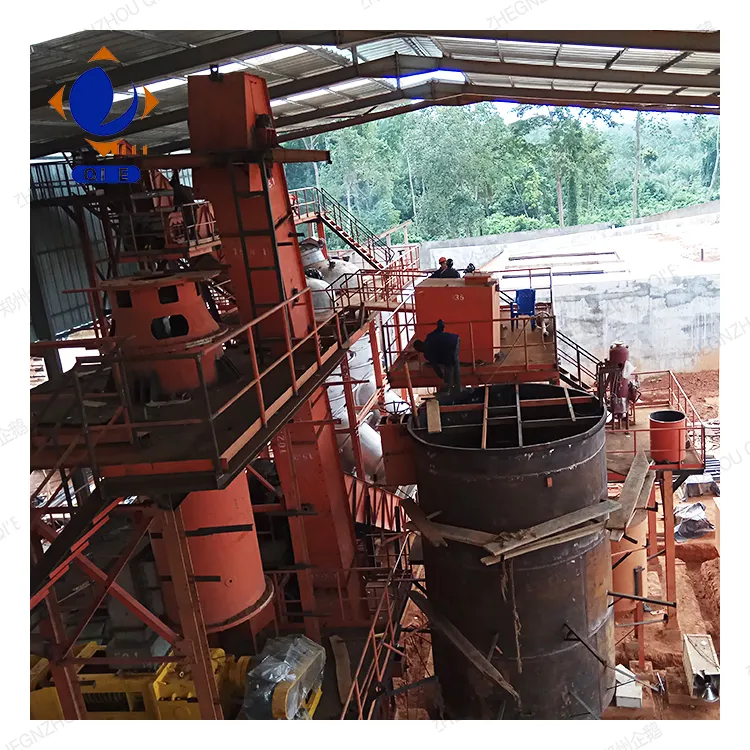
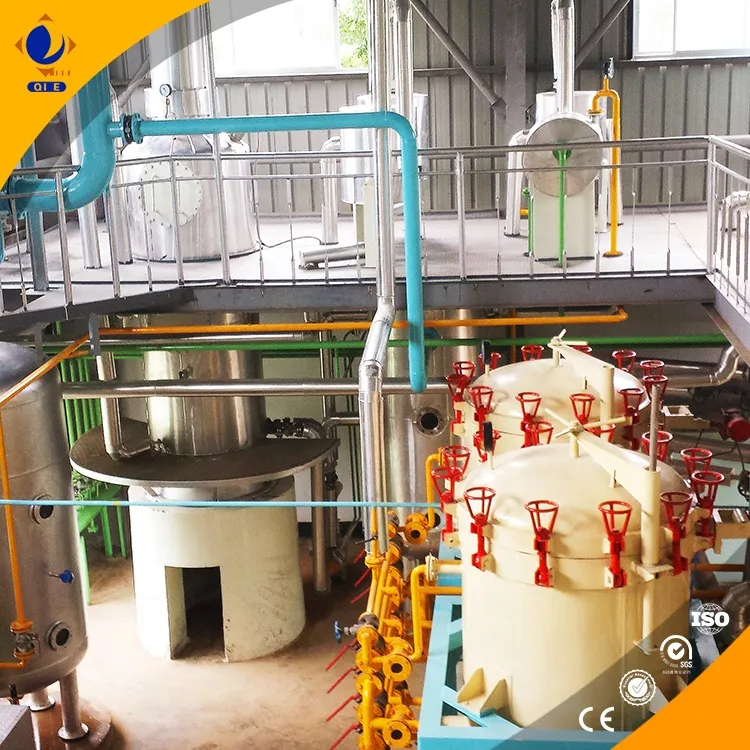
If you manage a small or medium-sized palm oil mill in Nigeria or across Africa, you are likely familiar with one relentless challenge: unstable power supply. With over 60% of African oil mills reporting frequent voltage fluctuations, the impact on your palm oil processing equipment is significant—leading to unexpected downtime, escalating repair costs, and compromised product quality.
Traditional palm oil refining machines designed for a fixed voltage often fail when confronted with the region's erratic power grid. A sudden voltage drop or surge can cause PLC (Programmable Logic Controller) systems to malfunction, resulting in production halts and increased maintenance demands.
That’s where 230V–430V wide input voltage design makes a difference. By enabling equipment to automatically accommodate a broad voltage spectrum, this technology ensures the internal PLC control system operates without interruption. The mechanism involves advanced voltage regulation that protects sensitive components against power anomalies.
Quick Comparison: Fixed 230V machines see an average of 25% more downtime caused by voltage instability compared to multi-voltage compatible models in field tests conducted across Nigerian oil mills.
Beyond voltage adaptability, the durability of critical parts such as press screws (榨螺), gearboxes, and pump casings determines the equipment's total lifecycle costs. Selecting wear-resistant materials tailored to your mill’s operating environment can reduce both failure risks and overall expenses.
Consider the following key material characteristics when evaluating components:
For example, press screws made of manganese steel alloys with hardness above HRC 58 exhibit >30% longer service life compared with standard carbon steel, according to regional maintenance records.
Predicting wear and replacement cycles ahead of time enables preventive maintenance and minimizes unplanned downtime. Here’s an approachable way to estimate part lifespans:
For instance, a stable 230–430V input reduces operational stress, potentially extending component life by 15–20%. This synergy between electrical and mechanical reliability is often overlooked but critical to sustainable production.
Imagine you are the factory manager deciding between a single-voltage system with cheaper upfront costs versus investing in multi-voltage compatible equipment with wear-resistant components. How would you weigh the risks of frequent stoppages and high maintenance against slightly higher initial capital? What factors impact your decision the most?
Equipped with these insights, you empower your plant for higher uptime, reduced costs, and greener processing.
 modular palm oil refining equipment
palm oil processing for SMEs
energy-efficient refining technology
palm oil equipment selection
sustainable manufacturing equipment
small scale palm oil refinery equipment
economical palm oil processing line
PLC control in oil refining
palm oil refinery automation
energy efficient palm oil equipment
palm oil refining machine
PLC control system
equipment maintenance
production efficiency improvement
palm oil processing automation
palm oil refining process
small palm oil processing line
degumming bleaching deodorization equipment
oil refining equipment selection
palm oil refining optimization
palm oil refining process
mini palm oil refining equipment
de-gumming in palm oil
de-acidification technology
PLC control system for oil refining
modular palm oil refining equipment
palm oil processing for SMEs
energy-efficient refining technology
palm oil equipment selection
sustainable manufacturing equipment
small scale palm oil refinery equipment
economical palm oil processing line
PLC control in oil refining
palm oil refinery automation
energy efficient palm oil equipment
palm oil refining machine
PLC control system
equipment maintenance
production efficiency improvement
palm oil processing automation
palm oil refining process
small palm oil processing line
degumming bleaching deodorization equipment
oil refining equipment selection
palm oil refining optimization
palm oil refining process
mini palm oil refining equipment
de-gumming in palm oil
de-acidification technology
PLC control system for oil refining





.png?x-oss-process=image/resize,h_100,m_lfit/format,webp)
.png?x-oss-process=image/resize,h_100,m_lfit/format,webp)
.png?x-oss-process=image/resize,h_100,m_lfit/format,webp)