

For decades, palm oil producers across West Africa have relied on manual processes—labor-intensive, inconsistent, and increasingly unsustainable. In Nigeria alone, over 70% of small-to-mid-scale mills still operate with minimal automation, according to the Nigerian Institute of Food Technologists (NIFT). This inefficiency leads to higher waste rates (up to 15%), inconsistent product quality, and rising operational risks.
Enter PLC-based automation—a game-changer for palm oil refineries aiming to reduce human error while boosting throughput. A well-implemented Programmable Logic Controller (PLC) system can manage everything from raw material pre-treatment to final packaging, ensuring precise control over temperature, pressure, and time at every stage.
In a case study conducted by AgriTech Solutions Africa, one Nigerian mill using a fully automated cold-press process saw a 22% increase in yield and a 30% reduction in energy consumption within six months. Why? Because the PLC adjusts oil extraction parameters in real-time based on feedstock moisture content—an optimization impossible with manual oversight.
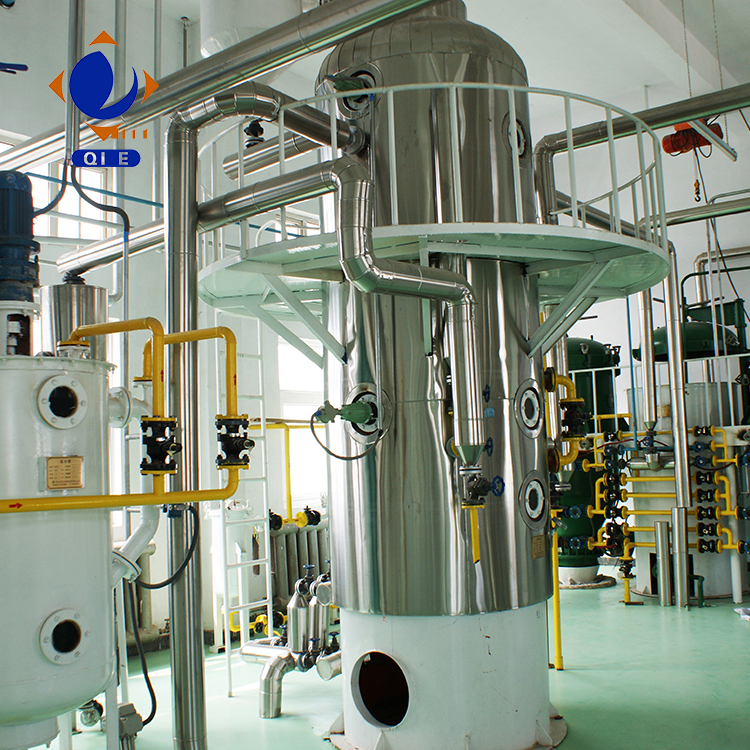
Many African processors struggle to choose between cold-pressed and hot-pressed methods. Cold pressing preserves more nutrients but requires tighter control over temperature (typically 40–50°C). Hot pressing yields more oil quickly but risks degrading quality if not managed precisely.
Automation bridges this gap. With smart sensors and adaptive algorithms, modern systems automatically switch between modes depending on batch characteristics—ensuring both high output and consistent quality. One mill in Ghana reported a 40% drop in rejected batches after implementing such a hybrid solution.
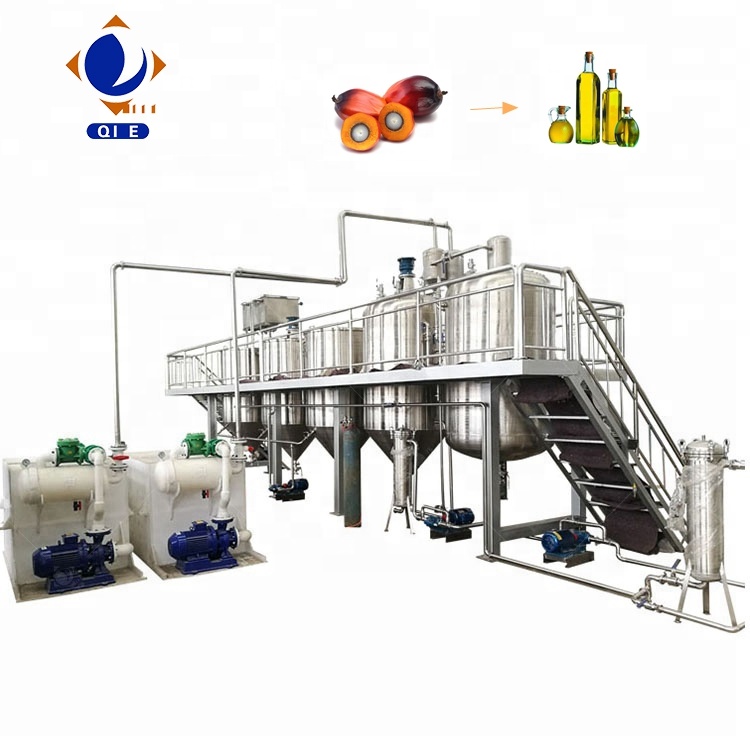
One major barrier to adoption has been fear of complex maintenance. But today’s systems come with intuitive dashboards that alert operators to potential issues—like overheating motors or clogged filters—before they cause downtime. Studies show that automated mills report 60% fewer unplanned stoppages than their manual counterparts.
Moreover, compliance is easier. Automated systems log all critical parameters—ideal for audits under ISO 22000 or HACCP standards. And with built-in energy-saving modes, many facilities are now reducing carbon footprints by up to 25%, aligning with global sustainability goals without sacrificing productivity.
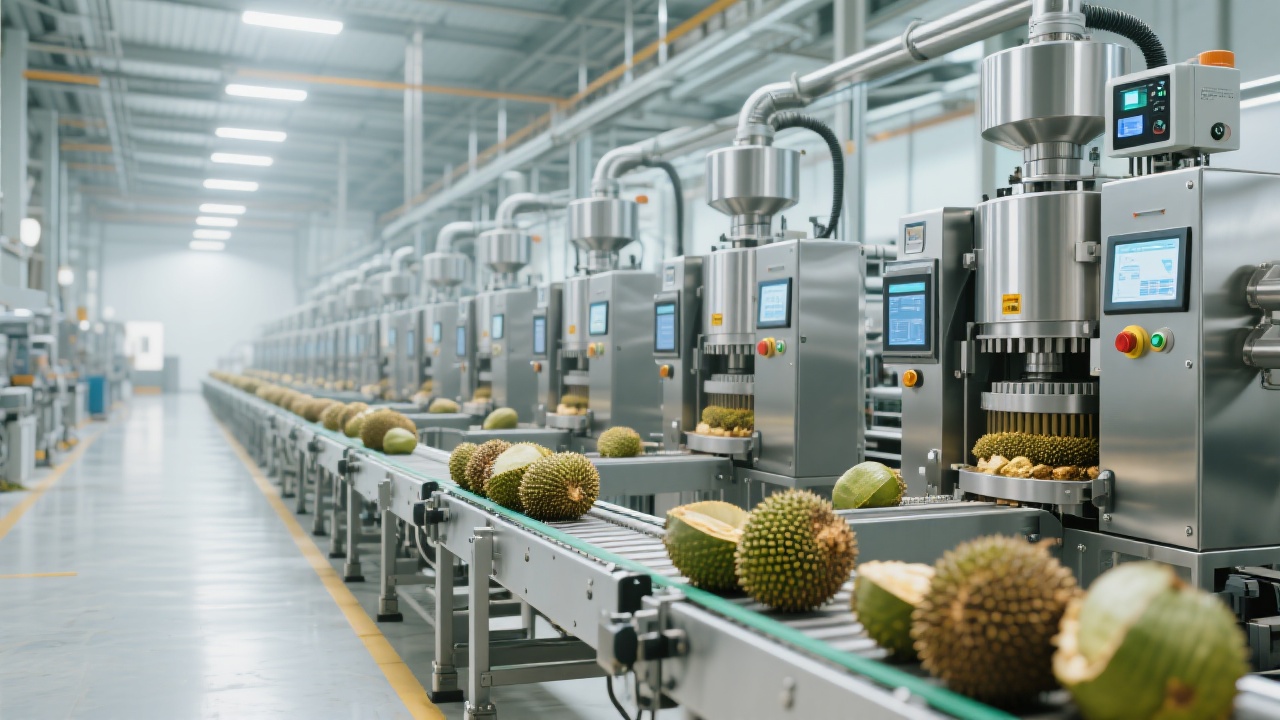
If you're leading a palm oil business in Nigeria or beyond, it's no longer a question of "if" but "when" to automate. Whether you're upgrading an existing line or building new capacity, a tailored automation strategy offers measurable returns—not just in cost savings, but in brand trust, regulatory readiness, and long-term competitiveness.
Ready to transform your operation? Explore our customized automation solutions for palm oil plants — designed for African conditions, backed by proven results.
 small palm oil refining equipment
palm oil refining process
PLC control system
refinery maintenance safety
small scale oil processing
palm oil refining machine maintenance
small scale palm oil processing
refinery equipment care
PLC control system保养
industrial oil refining maintenance
Dual - process (hot and cold press) palm oil refining
Palm oil quality stability improvement
High - efficiency palm oil refining equipment
Energy - saving solutions for grain and oil processing
International standard palm oil production
Small and medium - sized palm oil refining production line
Full - process automated palm oil processing
Economical palm oil equipment
Palm oil production efficiency improvement
Vietnamese palm oil processing case
Modular palm oil refining equipment
Small and medium - sized palm oil equipment
Palm oil equipment energy - saving technology
Equipment installation flexibility
Palm oil production expansion plan
small palm oil refining equipment
palm oil refining process
PLC control system
refinery maintenance safety
small scale oil processing
palm oil refining machine maintenance
small scale palm oil processing
refinery equipment care
PLC control system保养
industrial oil refining maintenance
Dual - process (hot and cold press) palm oil refining
Palm oil quality stability improvement
High - efficiency palm oil refining equipment
Energy - saving solutions for grain and oil processing
International standard palm oil production
Small and medium - sized palm oil refining production line
Full - process automated palm oil processing
Economical palm oil equipment
Palm oil production efficiency improvement
Vietnamese palm oil processing case
Modular palm oil refining equipment
Small and medium - sized palm oil equipment
Palm oil equipment energy - saving technology
Equipment installation flexibility
Palm oil production expansion plan







.png?x-oss-process=image/resize,h_100,m_lfit/format,webp)
.png?x-oss-process=image/resize,h_100,m_lfit/format,webp)
.png?x-oss-process=image/resize,h_100,m_lfit/format,webp)


