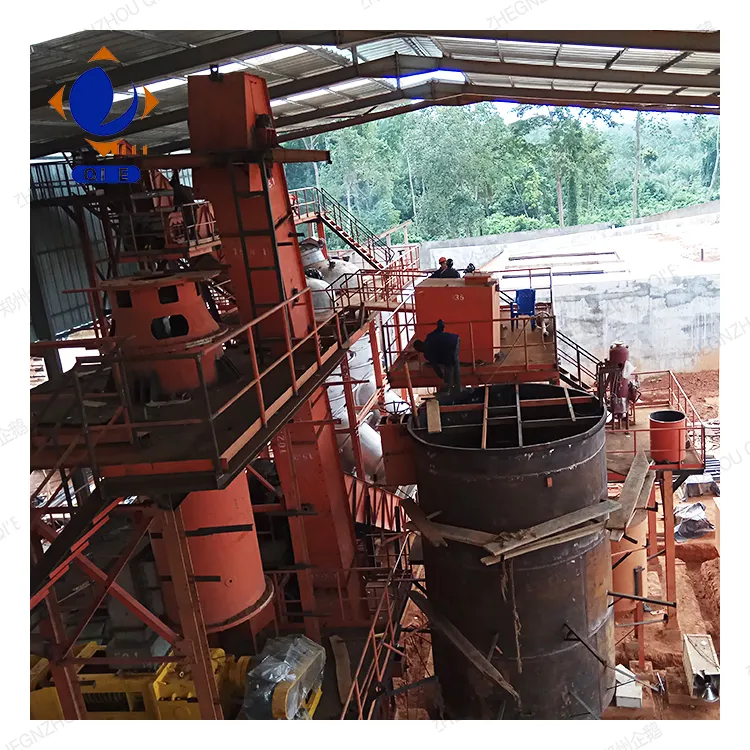
For small and medium-sized palm oil processors in Nigeria and across Africa, manual operations are no longer sustainable—especially with rising labor costs, inconsistent quality, and increasing regulatory pressure. The solution? A well-designed PLC-based automation system that transforms your production line from reactive to proactive.
In traditional setups, operators adjust temperature, pressure, and time manually during cold-press and hot-press phases—an approach prone to human error and inefficiency. With PLC automation:
This isn’t just theory—it’s what leading Nigerian mills like Golden Harvest Oil Co. have implemented over the past two years. Their output consistency improved significantly, and they reduced downtime by 30% due to fewer operator-induced errors.
A proven setup includes:
Each module communicates via Modbus TCP—no proprietary silos. This modular design allows scalability: start with one phase, expand as ROI proves itself.
Even the best systems need care. Here’s a quick checklist used by experienced engineers in West Africa:
| Task | Frequency | Impact |
|---|---|---|
| Check hydraulic pressure | Daily | Prevents sudden shutdowns |
| Clean sensors & probes | Weekly | Ensures accurate readings |
| Enable energy-saving mode after hours | Always | Saves 5–7% monthly power cost |
These routines help avoid unplanned outages—a major pain point for many African processors who rely on daily production cycles.
Whether you're upgrading an old mill or building new, our team helps tailor a PLC automation plan that fits your budget, capacity, and local conditions.
Explore Our Automated Palm Oil Solutions palm oil refining
palm oil production line
refining equipment selection
industrial oil processing technology
SME palm oil processing
small-scale palm oil refining line solutions
cost-effective palm oil refining equipment
fully automated palm oil processing line
palm oil machinery for SMEs
integrated palm fruit pressing and refining
Palm oil refining equipment selection
Multi-voltage adaptability
African grain and oil processing
Wide-voltage refining machine
PLC automatic control
modular palm oil refining equipment
fixed palm oil refining equipment comparison
palm oil processing for SMEs
energy - saving oil mill equipment
palm oil refining solutions
palm oil refining equipment
high - efficiency and energy - saving equipment
soft water usage
PLC control system
small and medium - sized palm oil mills
palm oil refining
palm oil production line
refining equipment selection
industrial oil processing technology
SME palm oil processing
small-scale palm oil refining line solutions
cost-effective palm oil refining equipment
fully automated palm oil processing line
palm oil machinery for SMEs
integrated palm fruit pressing and refining
Palm oil refining equipment selection
Multi-voltage adaptability
African grain and oil processing
Wide-voltage refining machine
PLC automatic control
modular palm oil refining equipment
fixed palm oil refining equipment comparison
palm oil processing for SMEs
energy - saving oil mill equipment
palm oil refining solutions
palm oil refining equipment
high - efficiency and energy - saving equipment
soft water usage
PLC control system
small and medium - sized palm oil mills



.png?x-oss-process=image/resize,h_100,m_lfit/format,webp)
.png?x-oss-process=image/resize,h_100,m_lfit/format,webp)
.png?x-oss-process=image/resize,h_100,m_lfit/format,webp)