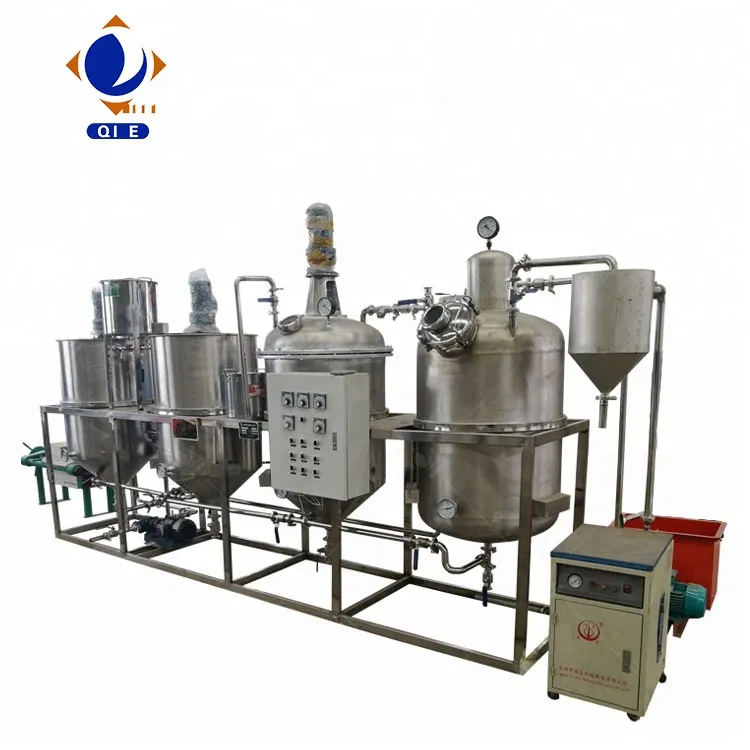
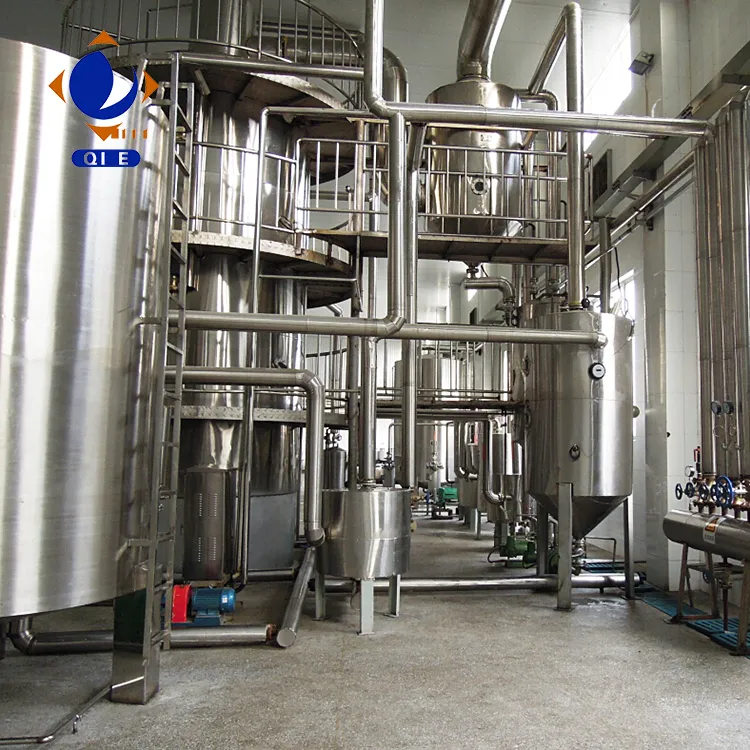
In the evolving landscape of the palm kernel oil industry, maximizing processing efficiency stands as a crucial cornerstone for global exporters. Leveraging intelligent automation solutions, such as those pioneered by QIE Group, is transforming traditional extraction and refining methods into highly efficient, scalable, and sustainable operations. This article delves into the pivotal technologies driving these advancements—offering a comprehensive view of how automation catalyzes productivity while supporting green, cost-effective manufacturing.
At the heart of modern palm kernel oil processing lies the Programmable Logic Controller (PLC) full-automatic control system. This technology streamlines complex operation sequences—from raw kernel feeding to solvent extraction and refining—into a seamless, user-friendly interface. PLC-enabled automation significantly reduces manual intervention, minimizing human error and labor costs. Real-time monitoring of process variables, such as temperature, pressure, and solvent flow rates, stabilizes production cycles and ensures consistent output quality.
Case studies reveal that facilities equipped with PLC systems experience up to a 15% decrease in downtime and a 7-10% increase in daily throughput compared to semi-automated lines. This operational reliability is particularly valuable for processing capacities ranging from 5 to 500 tons per day, accommodating the vast scale variances in emerging Asian, African, and South American markets.
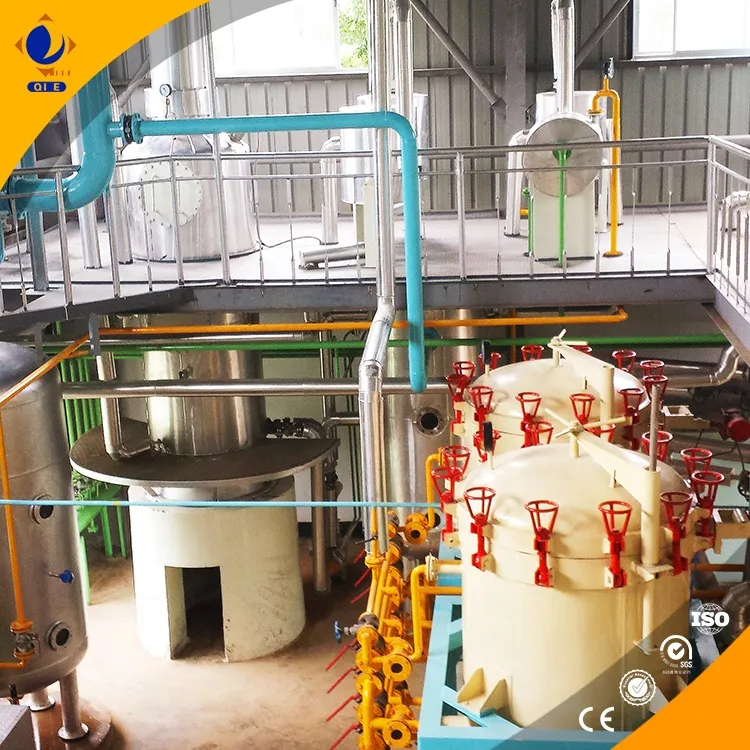
The tropical humidity and elevated temperatures prevalent in many palm oil producing regions demand resilient equipment design. QIE Group’s pressure vessels incorporate specialized materials and engineering principles to withstand prolonged exposure to high heat and moisture without compromising structural integrity or safety.
Advanced corrosion-resistant alloys and precision welding technologies assure vessel longevity, reducing maintenance cycles. These robust pressure vessels maintain stable extraction pressures, which is critical for solvent efficiency and overall yield consistency.
Two technical metrics stand out in the quest to boost operational efficiency and product quality: residual oil rate and solvent consumption level. QIE Group’s automated systems achieve a residual oil rate of ≤1%, far surpassing industry averages that typically range between 3-5%. Lower residual oil translates directly to higher extraction yields and less wasted raw material.
Simultaneously, solvent consumption is reduced to as low as 2kg per ton of raw palm kernels processed, improving environmental compliance and lowering operational expenditure. These figures are attained through finely tuned solvent recycling subsystems and precision process control, balancing solvent exposure time and extraction temperature for optimal performance.
Data Snapshot: Facilities leveraging QIE Group’s automated extraction see an average increase of 12% in oil yield efficiency while cutting down solvent usage by approximately 25%, driving sustainable production gains.
Given the vast differences in scale and operational scope across global markets, flexibility in equipment configuration is essential. QIE Group offers modular systems adaptable to daily processing capacities from 5 to 500 tons. This versatility enables agricultural exporters and industrial processors alike to customize their setups based on production targets, available footprint, and local infrastructure.
Further configuration options include tailored refining modules that address specific product purity requirements dictated by regional regulatory standards or downstream applications, underpinning the company’s commitment to delivering bespoke, effective solutions.
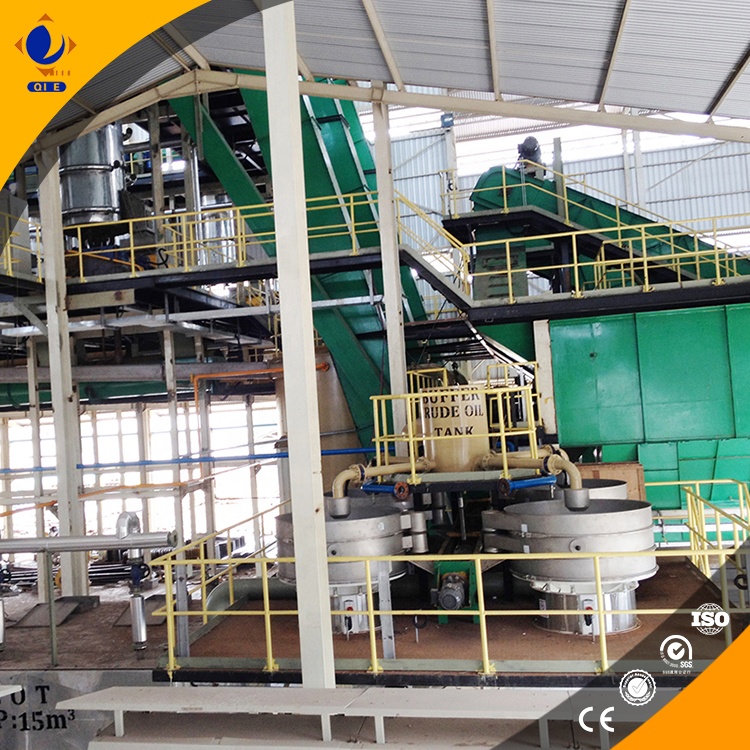
Automation-driven efficiency is more than productivity—it plays a vital role in environmental stewardship and economic viability. QIE Group’s technologies reduce energy consumption and waste generation, aligning with global trends toward green palm oil processing. By shrinking solvent use and maximizing raw material utilization, operators can significantly lower the carbon footprint of their plants.
This translates into lower operating costs and a shortened payback period on capital investments, empowering enterprises to reinvest earnings into further innovation and market expansion. In today’s competitive export environment, such advantages can be decisive.
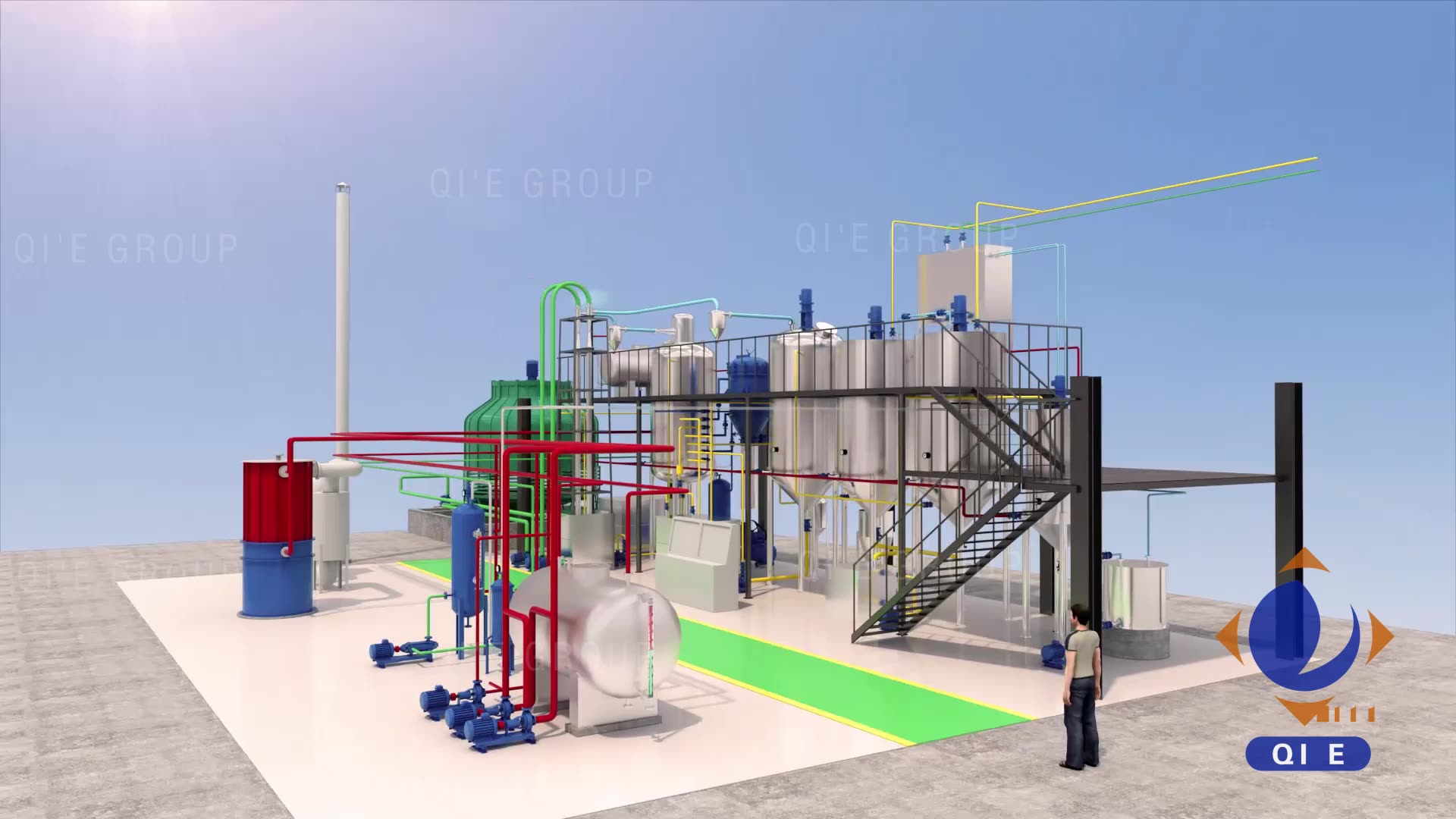
 palm oil refining equipment
automation for small and medium factories
PLC control system
low - energy consumption refining line
equipment selection guide
palm oil refining equipment
daily maintenance checklist
safety standards for oil processing
PLC control system in refining
small-scale palm oil production
PLC automatic control
palm oil refining equipment
Nigerian oil mill automation
oil production closed - loop management
oil mill energy saving and cost reduction
Modular palm oil refining equipment
Capacity expansion solutions for small and medium-sized oil mills
Advantages of carbon steel refining equipment
Palm oil processing energy-saving technology
PLC-controlled refining system
Modular palm oil refining equipment
Solutions for small and medium - sized enterprise oil mills
Energy - saving technology for palm oil processing equipment
Carbon steel refining equipment
Automated oil mill transformation
palm oil refining equipment
automation for small and medium factories
PLC control system
low - energy consumption refining line
equipment selection guide
palm oil refining equipment
daily maintenance checklist
safety standards for oil processing
PLC control system in refining
small-scale palm oil production
PLC automatic control
palm oil refining equipment
Nigerian oil mill automation
oil production closed - loop management
oil mill energy saving and cost reduction
Modular palm oil refining equipment
Capacity expansion solutions for small and medium-sized oil mills
Advantages of carbon steel refining equipment
Palm oil processing energy-saving technology
PLC-controlled refining system
Modular palm oil refining equipment
Solutions for small and medium - sized enterprise oil mills
Energy - saving technology for palm oil processing equipment
Carbon steel refining equipment
Automated oil mill transformation
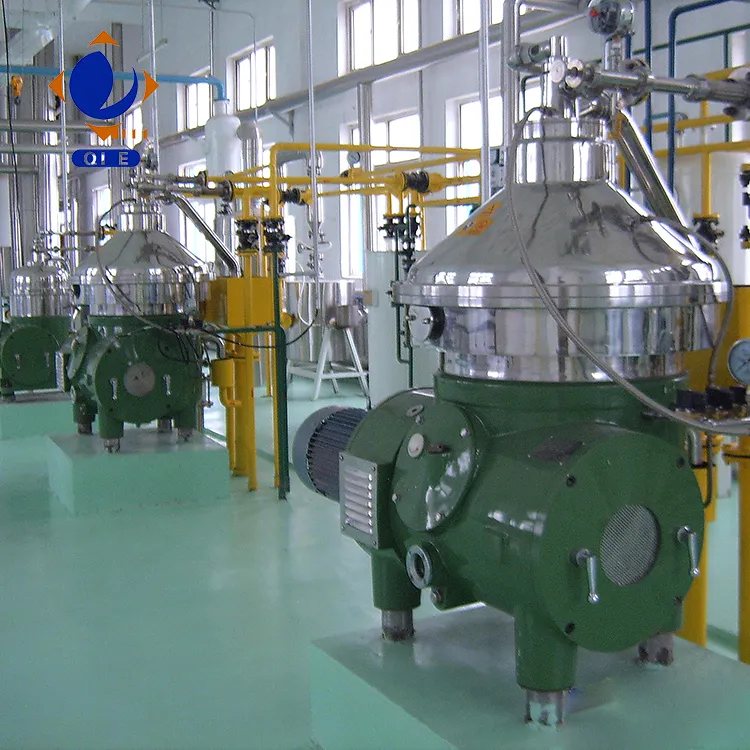


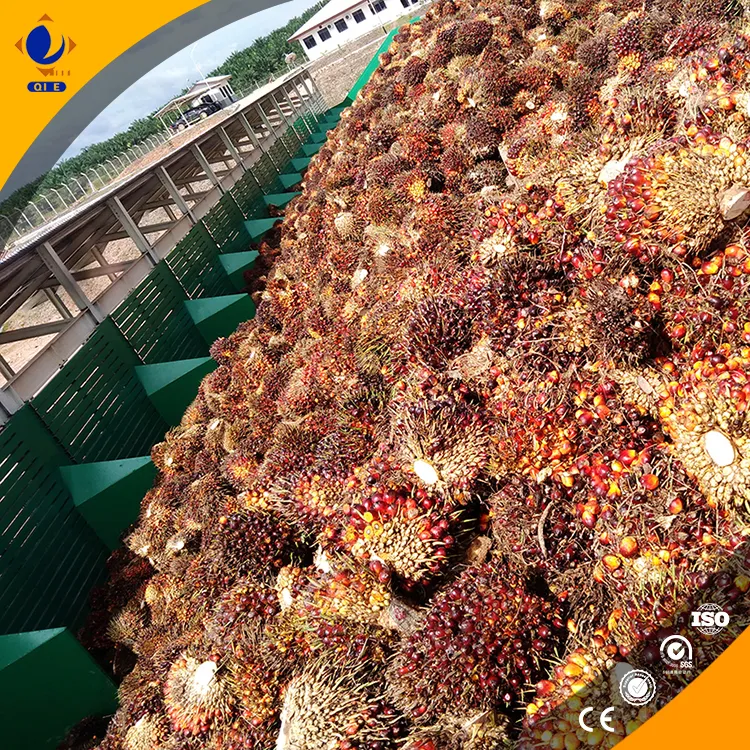


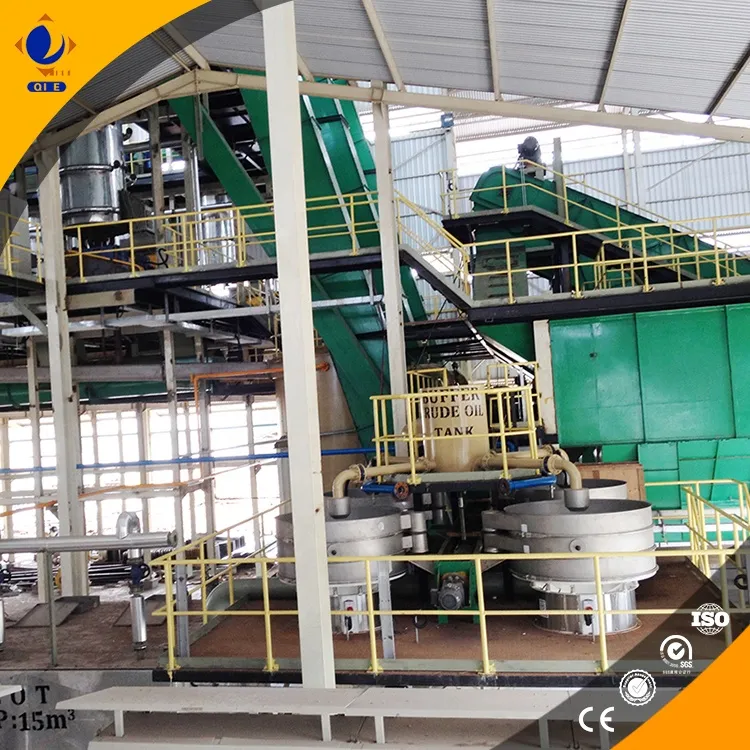


.png?x-oss-process=image/resize,h_100,m_lfit/format,webp)
.png?x-oss-process=image/resize,h_100,m_lfit/format,webp)
.png?x-oss-process=image/resize,h_100,m_lfit/format,webp)