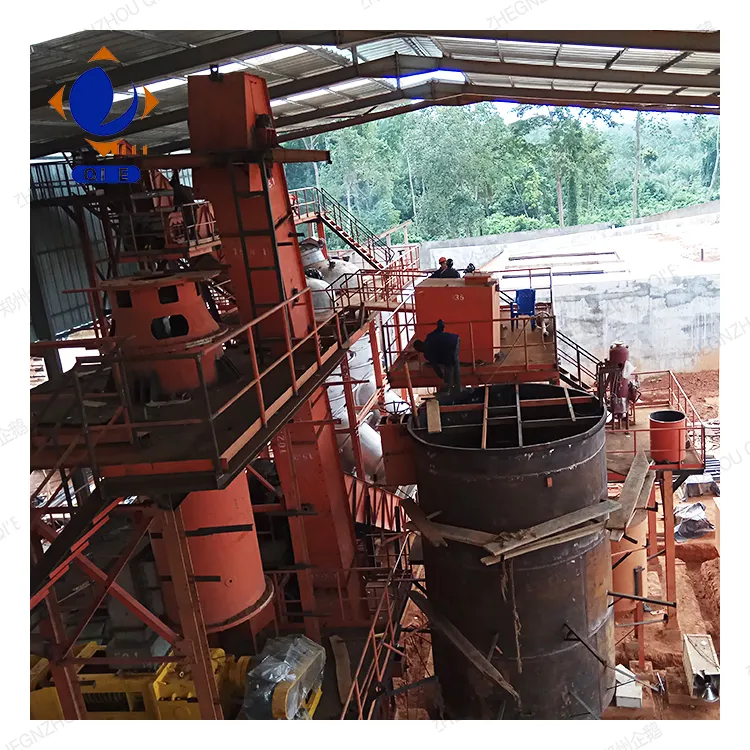
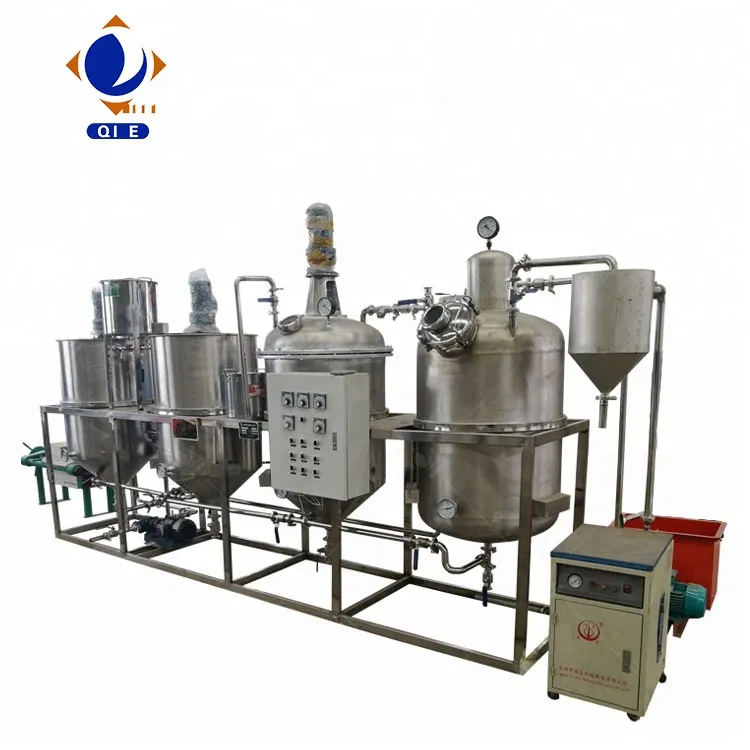
In today's competitive palm oil processing industry, mastering the fully automatic palm kernel oil extraction equipment is key to maximizing efficiency and ensuring product quality. You, as an operator or manager, are tasked with controlling complex processes such as temperature, pressure, and solvent dosage — all remotely and with pinpoint accuracy. This guide will walk you through the entire operation from material loading to finished product output, detailing the intelligent management enabled by an advanced PLC control system.
Before powering up the system, it's vital that you perform a thorough equipment inspection:
The automated extraction cycle encompasses several critical phases. Here’s how the system orchestrates them:
The heart of unattended precision lies in the PLC (Programmable Logic Controller) system. It continuously monitors and adjusts process parameters based on sensor feedback:
Imagine receiving a batch of palm kernels with a water content spike of 15%. Without adaptive control, this would increase solvent usage and lower throughput. However, the system's self-regulating PLC logic detects this change and automatically modifies solvent injection and evaporation parameters, stabilizing extraction efficiency and keeping solvent consumption below 2 kg/ton.
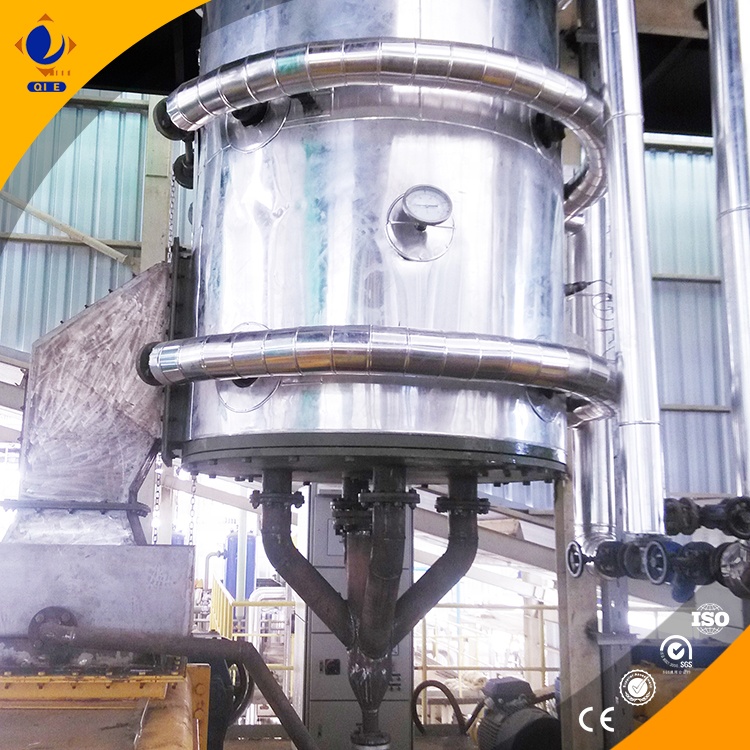
Operational hiccups can disrupt your production rhythm. Here are common issues and swift checks you can perform:
Deploying advanced equipment is only half the battle. For sustainable performance, intensive operator training ensures your team masters:
Remember, QIE Group offers comprehensive one-stop technical service support, simplifying your adoption curve and helping you quickly recover your investment through stable, high-efficiency production cycles.
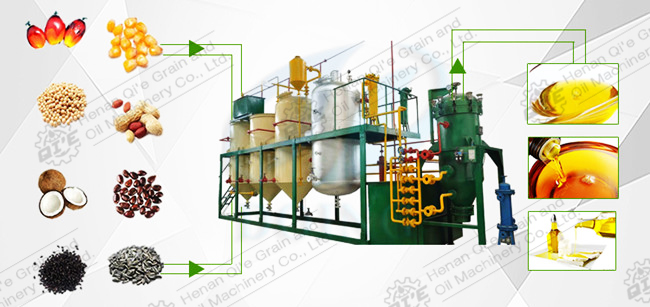
Consistent temperature (65°C ± 1°C), pressure (0.2 MPa ± 0.02), and controlled solvent dosage translate into:
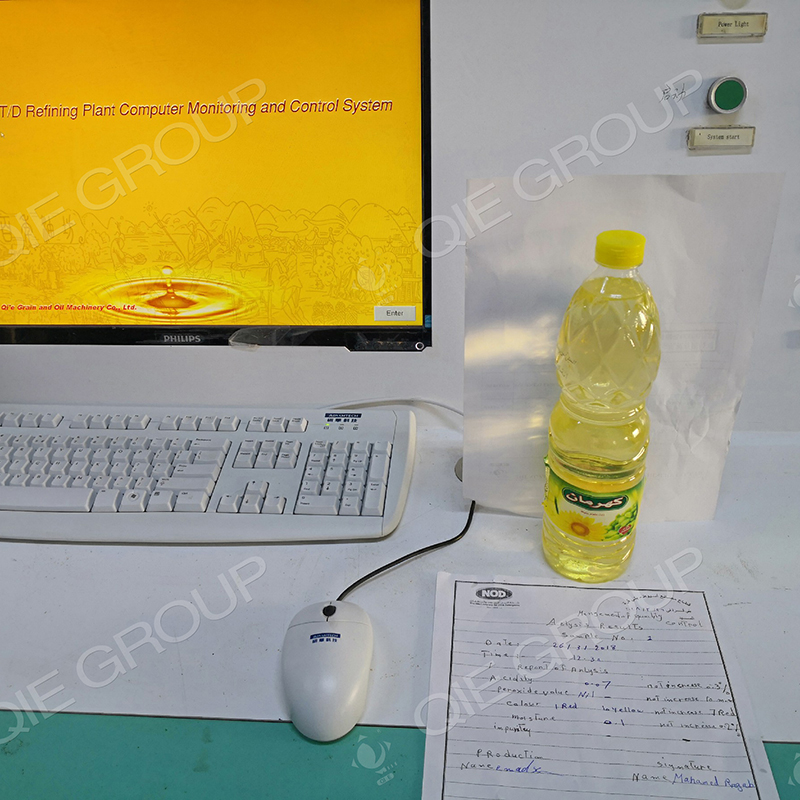
Harnessing the potential of fully automatic extraction equipment empowered by PLC control systems enables you to lead the green, efficient manufacturing shift in palm kernel oil production — with less downtime, fewer manual interventions, and consistent high-yield results.
 palm oil refining equipment maintenance
small palm oil refinery operations
daily maintenance for oil processing machines
PLC system care in palm oil plants
extending lifespan of industrial refining equipment
cold press palm oil refining
hot press palm oil extraction
palm oil quality stability
small oil mill optimization
palm oil refining process
Modular palm oil refining equipment
Small and medium - sized palm oil mills
Palm oil capacity expansion
Advantages of carbon steel equipment
Energy efficiency of national patented technology
cold press palm oil
hot press palm oil
palm oil refining technology
oil quality stability
sustainable oil processing
palm oil refining equipment
cold-heat press process
palm oil quality improvement
edible oil processing technology
refining process optimization
palm oil refining equipment maintenance
small palm oil refinery operations
daily maintenance for oil processing machines
PLC system care in palm oil plants
extending lifespan of industrial refining equipment
cold press palm oil refining
hot press palm oil extraction
palm oil quality stability
small oil mill optimization
palm oil refining process
Modular palm oil refining equipment
Small and medium - sized palm oil mills
Palm oil capacity expansion
Advantages of carbon steel equipment
Energy efficiency of national patented technology
cold press palm oil
hot press palm oil
palm oil refining technology
oil quality stability
sustainable oil processing
palm oil refining equipment
cold-heat press process
palm oil quality improvement
edible oil processing technology
refining process optimization




.png?x-oss-process=image/resize,h_100,m_lfit/format,webp)
.png?x-oss-process=image/resize,h_100,m_lfit/format,webp)
.png?x-oss-process=image/resize,h_100,m_lfit/format,webp)