Home > News > Palm Kernel Oil Fully Automated Extraction System: Achieving Unattended Precision Control with PLC

Palm Kernel Oil Fully Automated Extraction System: Achieving Unattended Precision Control with PLC

QI ' E Group
2026-03-16
Tutorial Guide
Discover how the fully automated palm kernel oil extraction system achieves unattended and precise control through advanced PLC automation. This guide details the intelligent regulation of temperature, pressure, and solvent usage, accompanied by real-case scenarios and operational flowcharts. Designed for production managers and operators, it covers daily inspections, troubleshooting, and essential training points to enhance efficiency, reduce energy consumption, and ensure stable long-term operations in grain and oil processing.
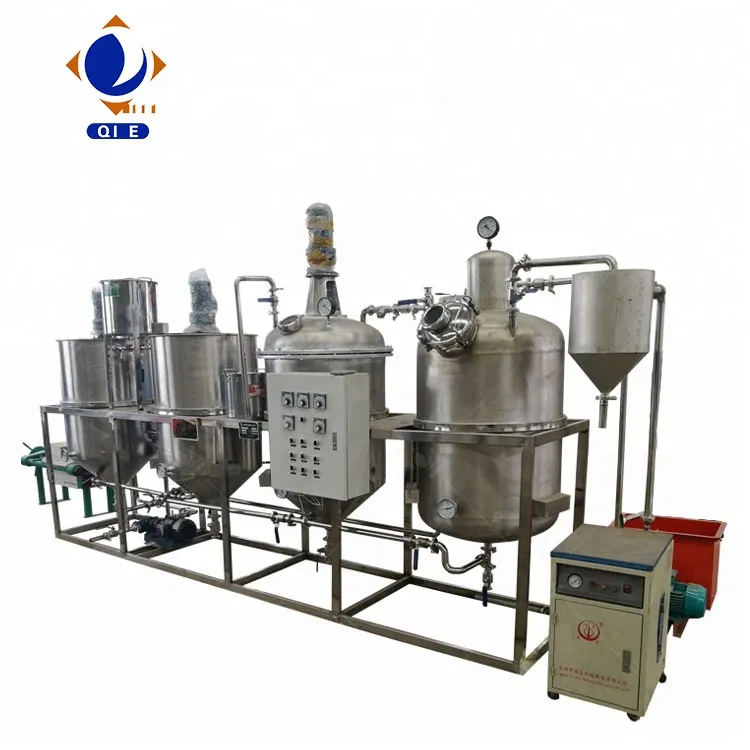
Flowchart depicting the automated palm kernel oil extraction system from raw material intake to refined oil output

Mastering the Fully Automated Palm Kernel Oil Extraction System: Achieving Precision with Unattended Control

In today’s competitive grain and oil processing industry, the breakthrough of the fully automated palm kernel oil extraction system represents a crucial advancement towards operational efficiency and sustainability. If you're tasked with overseeing or operating these systems, understanding the nuances of its PLC-controlled processes can significantly elevate your productivity while ensuring product quality remains uncompromised.

Industry Value and Core Advantages of Automation

Automated systems revolutionize traditional oil extraction by minimizing manual interventions and optimizing resource consumption. These systems leverage smart PLC control systems that precisely manage temperature, pressure, and solvent usage — key parameters that influence extraction yield and oil purity. Typical residual oil rates less than 1% and solvent consumption optimization demonstrate the potential cost savings and environmental benefits.

End-to-End Operational Workflow Explained

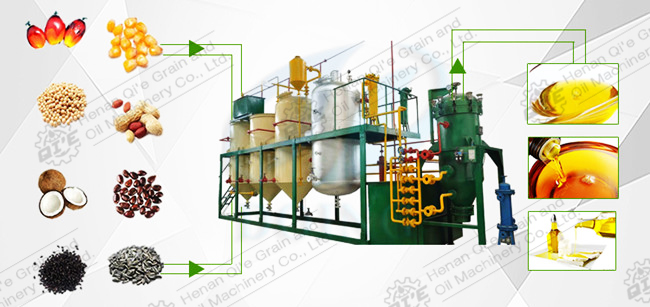
From feeding raw palm kernels to delivering refined palm kernel oil, the system follows a meticulously orchestrated process:
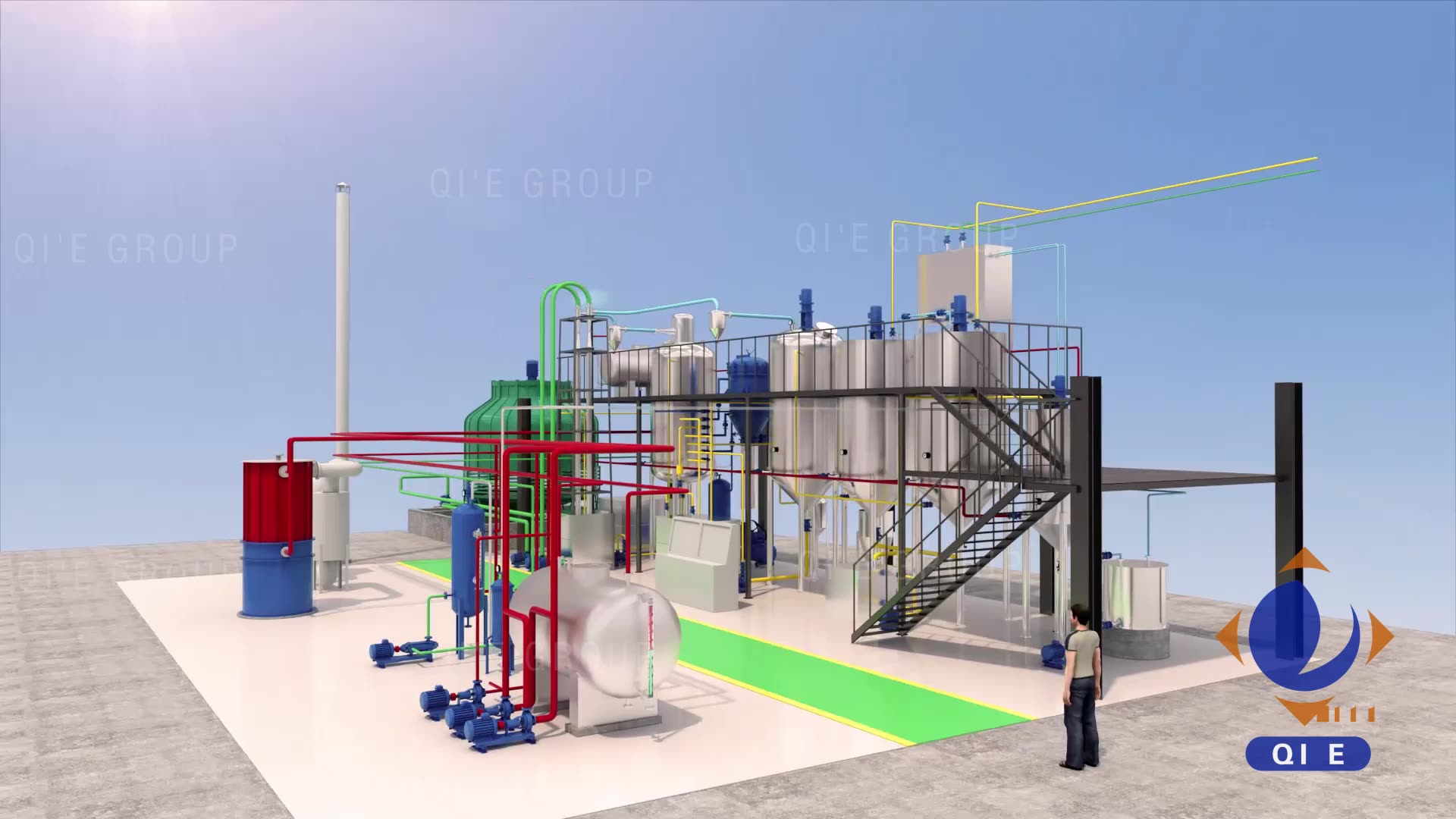
  • Raw material intake: Automated conveyors regulate feed rate to maintain consistent throughput.
  • Pre-treatment: Conditioning through precise temperature and moisture adjustment for optimal cell rupture.
  • Extraction: Solvent is sprayed and recirculated under tightly controlled pressure and temperature.
  • Separation: Oil and solvent separation occurs automatically, ensuring minimal solvent loss.
  • Output: Refined oil is collected while solids are discharged for further processing or disposal.
Flowchart depicting the automated palm kernel oil extraction system from raw material intake to refined oil output

Precision Control via PLC: The Heart of Automation

At the core lies a powerful Programmable Logic Controller (PLC) that continuously monitors and adjusts critical parameters:
  • Temperature Control: Maintains extraction chamber between 70°C and 90°C to optimize solvency without degrading oil quality.
  • Pressure Regulation: Automated valves adjust pressure dynamically, accommodating real-time feedstock variances for consistent solvent penetration.
  • Solvent Usage Optimization: Based on sensor feedback, the system modulates solvent dosage, reducing consumption by up to 15%, correlating to substantial operating cost savings.
Graph showing temperature and pressure curves managed by PLC in palm kernel oil extraction process

Handling Real-World Variabilities: Adapting to Raw Material Fluctuations

Variations in raw material moisture, size, or oil content pose challenges for consistent processing. The system employs:

  • Dynamic Sensor Feedback: Real-time measurements allow the PLC to fine-tune parameters maintaining product quality.
  • Automated Alarm Triggers: Alerts notify operators of abnormal conditions, facilitating immediate troubleshooting.

Expert Insight: “Integrating multi-point sensors with advanced algorithms in PLC systems reduces downtime by 20% and improves residual oil rate precision better than manual control,” notes a leading process engineer at Penguin Group.

Essential Daily Checks and Preventative Maintenance Recommendations

To sustain optimal performance and longevity, adhere to the following checklist:

  1. Inspect solvent circulation pumps and valves for leaks or wear.
  2. Verify sensor accuracy and recalibrate quarterly to maintain measurement integrity.
  3. Clean filters and strainers weekly to prevent clogging and pressure anomalies.
  4. Review PLC logs daily for early warning signs or anomalies.

You may wonder, have you encountered recurring alarm issues during peak operations? Systematic logging and analysis during these periods can pinpoint problems before escalation.
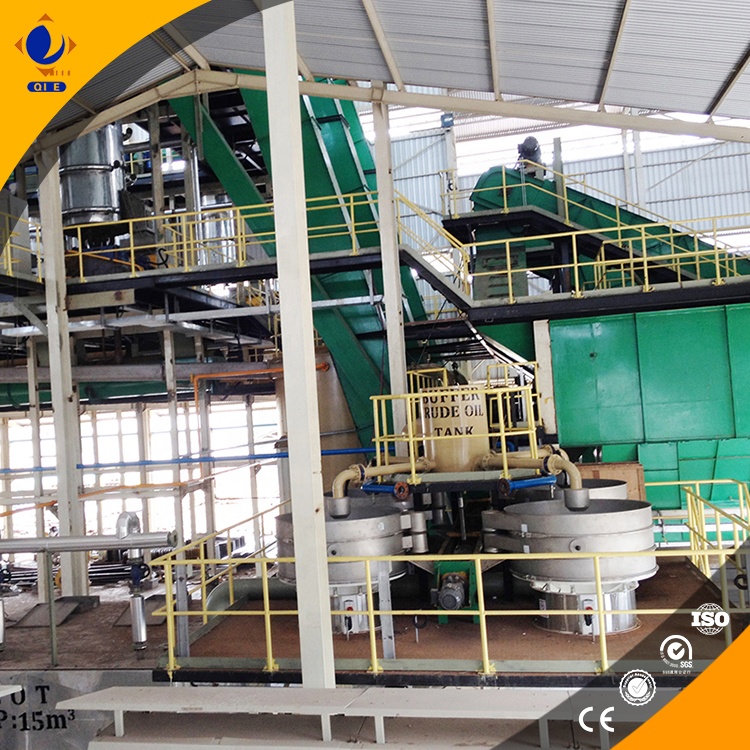
Diagram illustrating maintenance schedule and checkpoints for automated palm kernel oil extraction system

Empowering Operators with Technical Training

The human factor remains vital despite automation. Structured training programs focusing on PLC interface navigation, alarm response, and routine maintenance significantly reduce human errors. Completing training can improve operational uptime by over 10% and foster proactive problem-solving culture on the floor.

Name *
Email *
WhatsApp *
Message*

Recommended Products

Related Reading

Cold-Press and Hot-Press Palm Oil Processing: Optimizing Yield and Quality for Nigerian Mills

2026-01-20 | https://shmuker.oss-accelerate.aliyuncs.com/tmp/temporary/60ec5bd7f8d5a86c84ef79f2/60ec5bdcf8d5a86c84ef7a9a/20240305160636/lable.png cold press palm oil hot press palm oil palm oil refining process efficient oil extraction palm oil quality improvement

How to Build an Efficient and Compliant Palm Oil Automation Line for Small-Mid Scale Mills in Nigeria and Africa

2026-01-30 | https://shmuker.oss-accelerate.aliyuncs.com/tmp/temporary/60ec5bd7f8d5a86c84ef79f2/60ec5bdcf8d5a86c84ef7a9a/20240305160636/lable.png palm oil automation line PLC control system cold press vs hot press small palm oil mill automation oil processing optimization

5 Key Steps for African Oil Mills to Reduce Labor Costs through Automation Upgrades

2026-01-03 | https://shmuker.oss-accelerate.aliyuncs.com/tmp/temporary/60ec5bd7f8d5a86c84ef79f2/60ec5bdcf8d5a86c84ef7a9a/20240305160636/lable.png Palm oil refining equipment Automation upgrade plan PLC control system Efficiency improvement in African oil mills Cold and hot pressing process optimization

Technical Advantages and Application Guide of Cold and Hot Press Dual Processes in Palm Oil Refining

2026-01-16 | https://shmuker.oss-accelerate.aliyuncs.com/tmp/temporary/60ec5bd7f8d5a86c84ef79f2/60ec5bdcf8d5a86c84ef7a9a/20240305160636/lable.png Cold and hot press dual processes in palm oil refining Palm oil quality stability improvement High - efficiency palm oil equipment Grain and oil processing technology optimization Cold and hot press collaborative operation

Risk Comparison of Single-Voltage Models Deployed in Africa: Why More Oil Mills Are Turning to Wide-Voltage Refining Equipment?

2026-01-10 | https://shmuker.oss-accelerate.aliyuncs.com/tmp/temporary/60ec5bd7f8d5a86c84ef79f2/60ec5bdcf8d5a86c84ef7a9a/20240305160636/lable.png Palm oil refining equipment selection Multi-voltage adaptability African grain and oil processing Wide-voltage refining machine PLC automatic control

Hot Products

Popular articles
img
img
Hb4c87256c6ab419e93be0e175a4f4e37I.jpg
img
H8419363f2809471187125604672fdcedK.jpg
img
img
H3cbb197e058c43179ff342d83e46861eZ.jpg
img
Recommended Reading
Contact us
Contact us
https://shmuker.oss-accelerate.aliyuncs.com/tmp/temporary/60ec5bd7f8d5a86c84ef79f2/60ec5bdcf8d5a86c84ef7a9a/thumb-prev.png