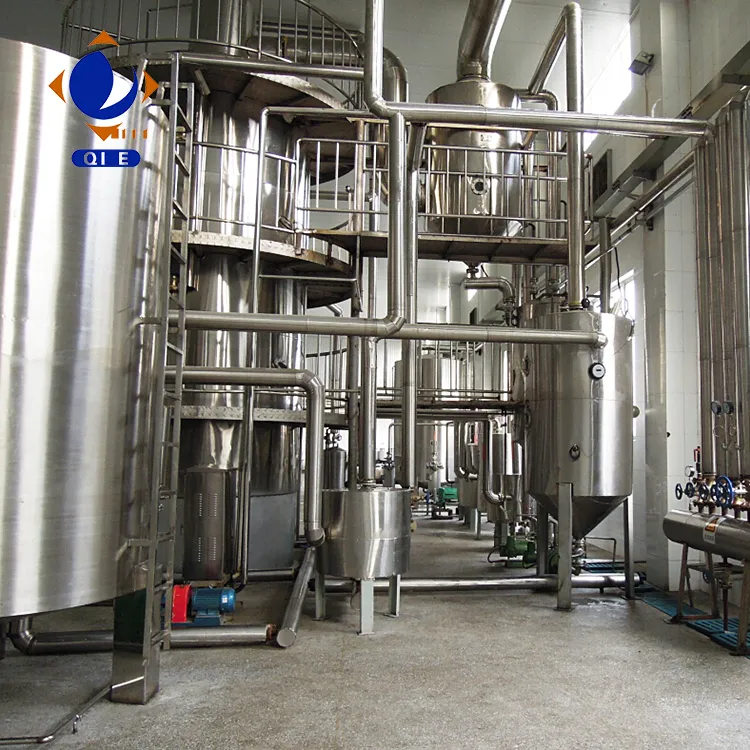
As an oil mill manager or technician in Nigeria, you're likely well - aware of the common challenges in palm oil refining. Quality fluctuations are a major headache, often resulting in inconsistent products that may not meet market standards. High energy consumption is another pressing issue, driving up operational costs and putting pressure on profit margins.
Cold - pressing is a gentle extraction method that operates at relatively low temperatures, typically between 40–50°C. This process preserves the nutritional value of palm oil, as the low temperature prevents the degradation of vitamins and antioxidants. However, the cold - pressing method has a lower oil - extraction rate, usually around 60 - 70%.
In contrast, hot - pressing involves higher temperatures. By heating the palm kernels or fruits, the oil viscosity decreases, and the oil cells rupture more easily, leading to a higher oil - extraction rate. The hot - pressing method can achieve an oil - extraction rate of 80 - 90%. But it may cause some loss of nutritional components due to the high temperature.
| Pressing Method | Advantages | Disadvantages |
|---|---|---|
| Cold - Pressing | Preserves nutrition | Lower oil - extraction rate |
| Hot - Pressing | Higher oil - extraction rate | Possible loss of nutrition |
The combination of cold - pressing and hot - pressing can bring out the best of both worlds. In the combined process, first, use cold - pressing to extract the high - quality, nutrient - rich oil. Then, subject the remaining material to hot - pressing to increase the overall oil - extraction rate.
During cold - pressing, maintain the temperature between 40–50°C. For hot - pressing, the temperature can be raised to 100 - 120°C. This temperature gradient ensures efficient oil extraction while minimizing nutrient loss.
Degumming is a crucial step in palm oil refining. After the combined pressing, add phosphoric acid or citric acid to the crude oil to remove gums. The dosage should be around 0.1 - 0.3% of the oil weight. Then, use centrifugation to separate the gums from the oil.
Emulsification is a common problem during palm oil refining. When emulsification is severe, you can optimize the water - washing strategy. Increase the water temperature to 80 - 90°C and add a small amount of salt (about 0.5 - 1% of the water weight) to break the emulsion. Then, use a high - speed centrifuge to separate the oil and water phases.
The combined cold - and hot - pressing process can greatly promote compliance with international standards such as ISO and HACCP. By precisely controlling the temperature and degumming process, you can ensure the quality and safety of your palm oil products, which is essential for exporting to international markets.
"The combination of cold - and hot - pressing in palm oil refining is a game - changer. It allows for both high - quality oil production and high efficiency, meeting the diverse needs of the market." - A leading industry expert
QIE Group intelligent equipment is designed to help you achieve precise control of the refining parameters. With a PLC automatic control system, it ensures that the temperature and degumming process are accurately regulated. This not only improves the quality and consistency of your palm oil products but also reduces energy consumption and operational costs.
Don't miss out on the opportunity to revolutionize your palm oil refining process. Upgrade to QIE Group intelligent equipment today and experience the difference in efficiency and quality!
Explore QIE Group Intelligent Equipment Now palm oil refining equipment
small to medium palm oil plant setup
palm oil refining process flow
edible oil machinery configuration
palm oil deodorization technology
Palm oil refining production line
Equipment selection for small and medium - sized enterprises
Palm oil refining process
Grain and oil machinery equipment solutions
Refining deodorization technology
Palm oil refining machine operation process
Economical refining equipment maintenance
Palm oil processing standard operation
PLC control refining system
Small and medium-sized grain and oil processing solutions
Palm oil refiner operation process
Palm oil refining equipment maintenance
Small - scale palm oil production line
Economical refiner usage skills
Palm oil processing equipment safety operation
Small and medium - sized palm oil refining production line
Palm oil refining equipment selection
Palm oil processing full - process solutions
Energy - saving oil refining equipment
PLC - controlled palm oil production line
palm oil refining equipment
small to medium palm oil plant setup
palm oil refining process flow
edible oil machinery configuration
palm oil deodorization technology
Palm oil refining production line
Equipment selection for small and medium - sized enterprises
Palm oil refining process
Grain and oil machinery equipment solutions
Refining deodorization technology
Palm oil refining machine operation process
Economical refining equipment maintenance
Palm oil processing standard operation
PLC control refining system
Small and medium-sized grain and oil processing solutions
Palm oil refiner operation process
Palm oil refining equipment maintenance
Small - scale palm oil production line
Economical refiner usage skills
Palm oil processing equipment safety operation
Small and medium - sized palm oil refining production line
Palm oil refining equipment selection
Palm oil processing full - process solutions
Energy - saving oil refining equipment
PLC - controlled palm oil production line







.png?x-oss-process=image/resize,h_100,m_lfit/format,webp)
.png?x-oss-process=image/resize,h_100,m_lfit/format,webp)
.png?x-oss-process=image/resize,h_100,m_lfit/format,webp)