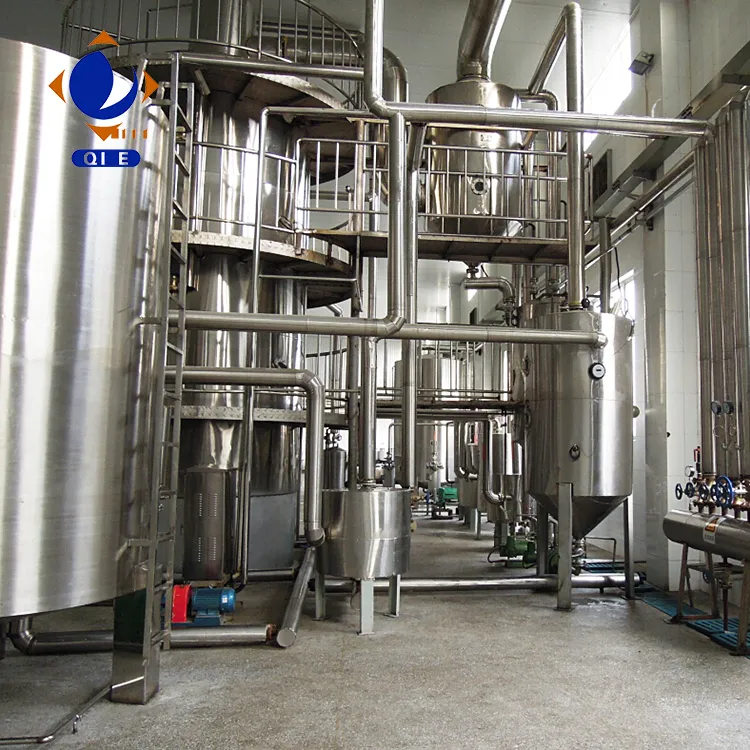
When working with high-impurity palm oil, achieving consistent, high-quality refined oil requires a precise approach to degumming. If you’ve noticed a decline in bleaching efficiency or increased impurities in your product, it’s likely that your degumming parameters need adjustment. This article unpacks three key parameters you must fine-tune—degumming agent dosage, dewaxing temperature and time, and bleaching conditions—to drive stability and yield improvements in your refining process.
Consider a typical batch of palm oil with elevated phospholipid and impurity content. You might see slower reaction kinetics during degumming, resulting in less efficient removal of gums and higher residual phospholipids that interfere with downstream bleaching stages. This inevitably reduces oil clarity and shelf life, while increasing wasted oil and operational costs.
Recognizing these challenges upfront helps you proactively adjust your refining process and avoid common pitfalls encountered by many palm oil processors worldwide.
Your degumming agent dose should not remain static. Instead, measure the phospholipid concentration of your incoming palm oil batch regularly. For oil with 800–1200 ppm phospholipids, we recommend a degumming agent dosage ranging from 800 to 1100 ppm. For batches exceeding 1200 ppm, increase dosage proportionally by 10-15% to ensure complete gum precipitation.
This dynamic adjustment ensures maximal phosphorus removal while minimizing chemical overuse that can drive cost inefficiencies and excessive sludge formation.
The dewaxing stage is critical for acid neutralization and soapstock formation. From our practical experience, controlling dewaxing temperature in the 70–80°C range with a retention time of 30–60 minutes yields optimal soap coalescence and acid value reduction.
Too low temperature or insufficient holding time often leaves residual free fatty acids, increasing acid value and compromising oil stability. Conversely, excessive heat or prolonged dewaxing risks oil oxidation and color deterioration.
Bleaching efficiency depends heavily on absorbent selection and coordinated temperature and vacuum levels. For high-impurity palm oil, activated earth with a higher surface area (300–350 m2/g) performs best. Maintain bleaching temperature between 90–110°C and vacuum at -0.08 to -0.1 MPa to maximize impurity adsorption while preserving oil quality.
This balance reduces pigment residues, lowering over-bleaching risk and avoiding oil losses.
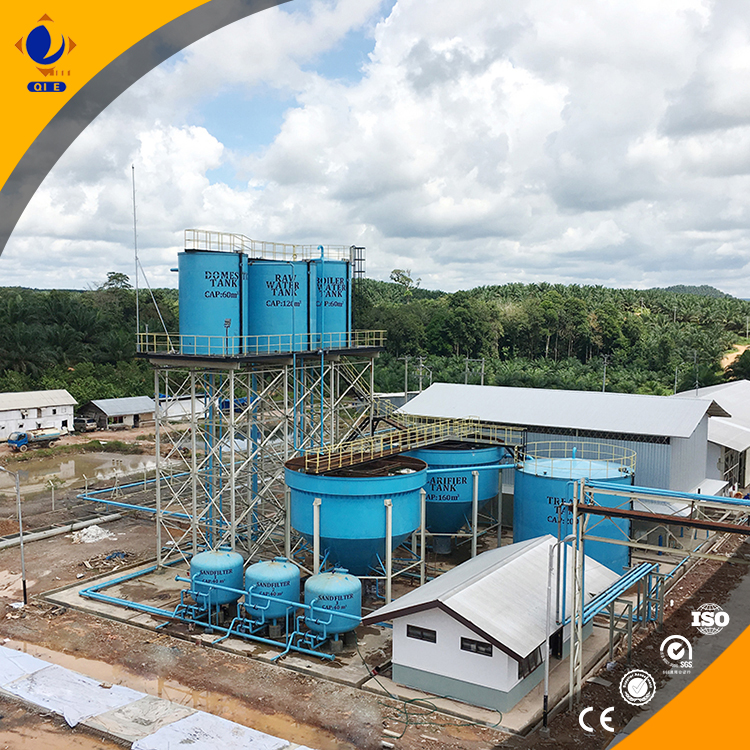
“Upon increasing degumming agent dosage by 12% for a batch with phospholipids over 1250 ppm, we observed a 15% reduction in phosphorus residuals and a 10% improvement in bleaching efficiency, reducing our oil wastage by 2.3%. This optimization also minimized downtime for equipment cleaning.” — Refinery Process Engineer
| Phospholipid Level (ppm) | Degumming Agent Dosage (ppm) | Dewaxing Temperature (°C) | Dewaxing Time (min) |
|---|---|---|---|
| 600 – 800 | 700 – 900 | 70 – 75 | 30 – 40 |
| 800 – 1200 | 800 – 1100 | 75 – 80 | 40 – 60 |
| 1200+ | 1000 – 1300 | 80 | 50 – 60 |
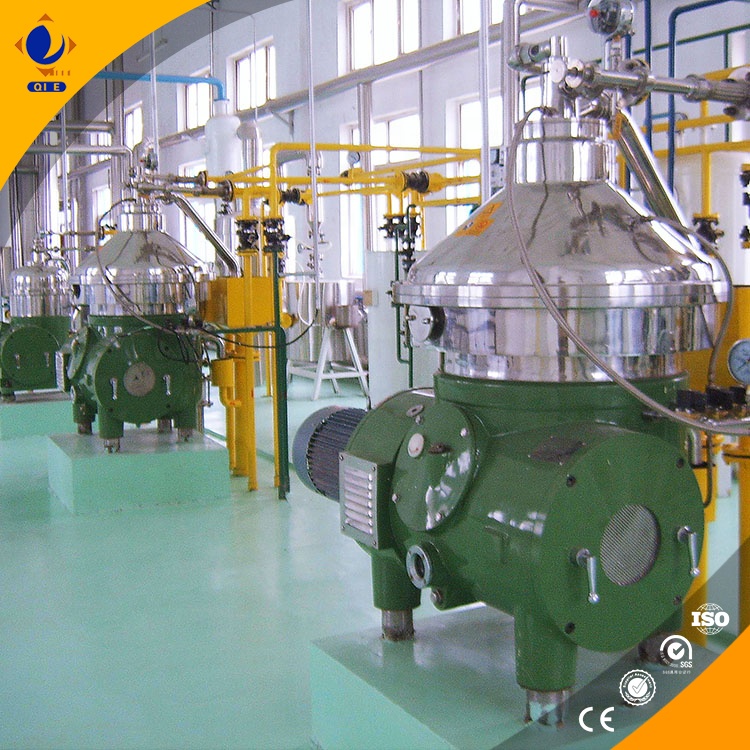
Manual parameter adjustments introduce variability impacting product consistency. Integrating a Programmable Logic Controller (PLC) system allows continuous real-time monitoring and adaptive regulation of degumming agent dosage, temperature profiles, and vacuum levels. Such automation minimizes human error and reduces waste, achieving an estimated 8-12% uplift in throughput efficiency at leading palm oil refineries.
Reflect on your batches’ gums and phospholipid metrics. Could your degumming process benefit from these strategic parameter tweaks? Implementing these data-backed adjustments directly decides whether you reliably produce premium-grade palm oil or struggle with inconsistent qualities.
 palm kernel oil extraction equipment
automated extraction systems
PLC control in oil processing
low residual oil technology
energy-efficient palm kernel oil machinery
palm kernel oil extraction equipment
automated palm kernel oil refining system
PLC control system guide
unattended oil pressing process
solvent consumption optimization
intelligent remote monitoring
palm oil processing
equipment fault prediction
IoT in manufacturing
AI-based maintenance
palm fruit pressing energy saving
automated palm oil production line
intelligent palm oil processing equipment
heat recovery system
smart motor control
small palm oil mill automation
PLC control system
cold hot pressing optimization
oil refining equipment
automated palm oil processing
palm kernel oil extraction equipment
automated extraction systems
PLC control in oil processing
low residual oil technology
energy-efficient palm kernel oil machinery
palm kernel oil extraction equipment
automated palm kernel oil refining system
PLC control system guide
unattended oil pressing process
solvent consumption optimization
intelligent remote monitoring
palm oil processing
equipment fault prediction
IoT in manufacturing
AI-based maintenance
palm fruit pressing energy saving
automated palm oil production line
intelligent palm oil processing equipment
heat recovery system
smart motor control
small palm oil mill automation
PLC control system
cold hot pressing optimization
oil refining equipment
automated palm oil processing




.png?x-oss-process=image/resize,h_100,m_lfit/format,webp)
.png?x-oss-process=image/resize,h_100,m_lfit/format,webp)
.png?x-oss-process=image/resize,h_100,m_lfit/format,webp)