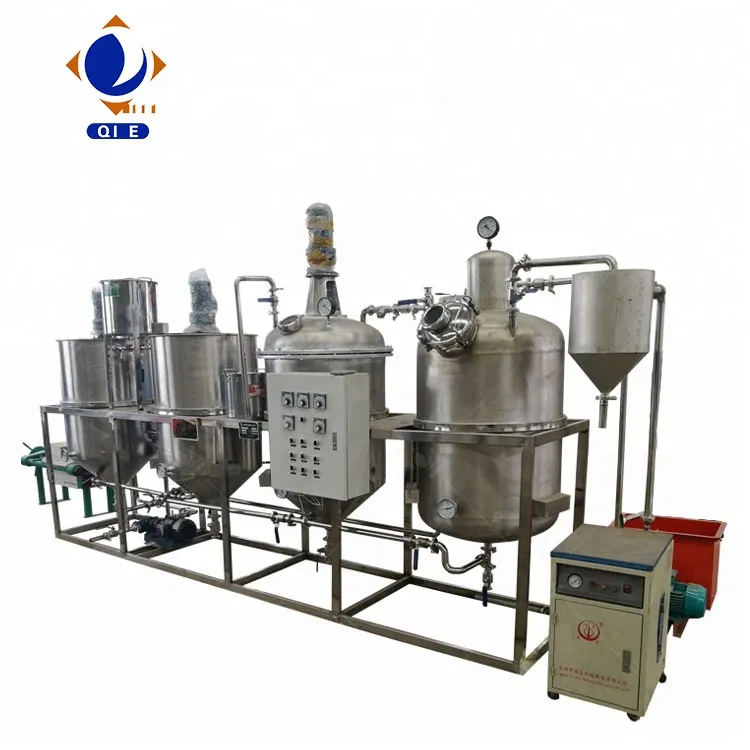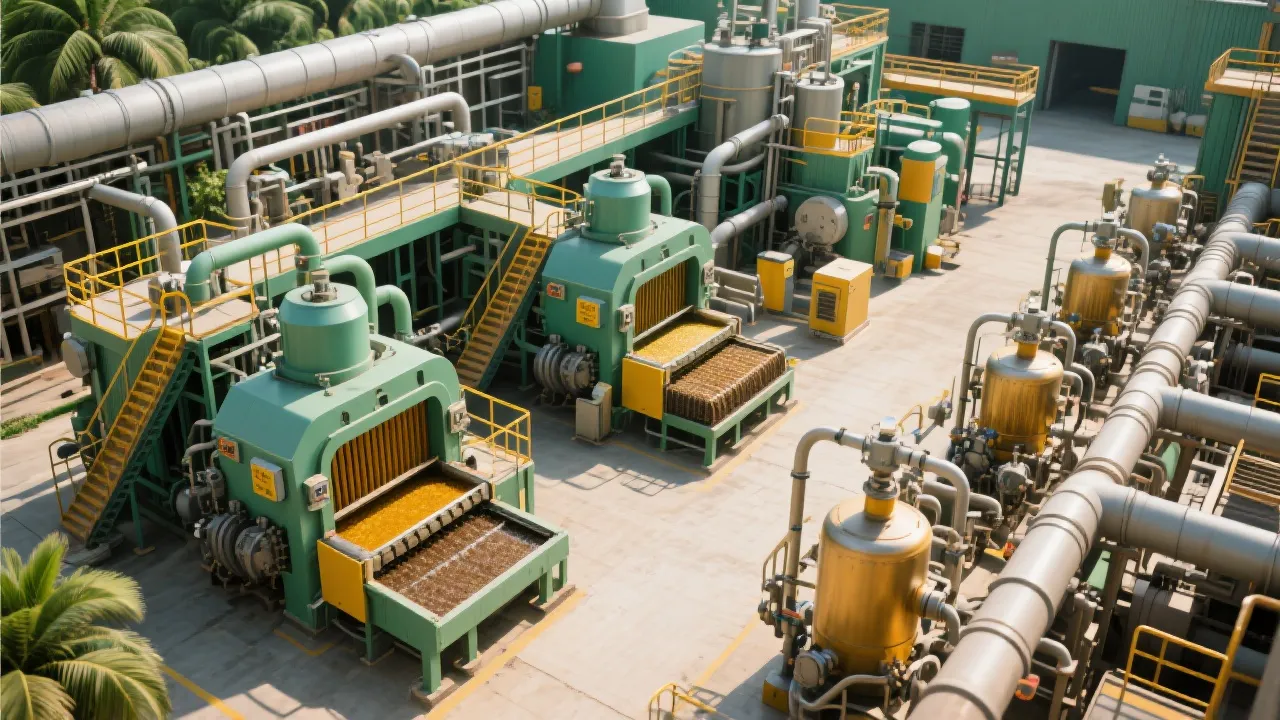
Key insight: Precise control of bleaching agent dosage and deacidification parameters can increase oil yield by up to 8%, while cutting energy consumption by 10-15%. Avoiding common procedural mistakes is essential for steady, high-quality output.
As a small-scale palm oil processor, your refining steps critically influence both yield and quality. Bleaching primarily removes pigments and trace metals, which can otherwise accelerate oil deterioration, while deacidification eliminates free fatty acids that cause off-flavors and reduce shelf life. Optimizing these steps not only improves the final product but also enhances overall oil recovery.
Success hinges on tightly managing temperature, pressure, time, and reagent amounts during these stages. Here’s a breakdown of the key parameters:
| Parameter | Optimal Range | Effect on Yield & Quality |
|---|---|---|
| Bleaching Agent Dosage | 1.5 - 3% w/w | Excessive dosage leads to oil adsorption losses; insufficient dosage lowers pigment removal efficiency. |
| Bleaching Temperature | 100 - 110°C | Higher temperatures improve color removal but may degrade oil quality if excessive. |
| Deacidification Pressure | 2 - 3 bar vacuum | Vacuum controls FFA removal efficiency and minimizes oxidation. |
| Deacidification Time | 30 - 45 minutes | Adequate time ensures full neutralization without overprocessing and oil losses. |
Integrating a PLC (Programmable Logic Controller) system into your refining equipment can revolutionize process control. Automated regulation of temperature, pressure, and timing reduces human error, maintains consistency, and optimizes energy utilization. For example, plants using the QIE Group’s mini-refinery PLC smart control system reported stable operations with a 12% average increase in output efficiency and a 10% reduction in steam consumption, around 15% less electricity usage compared to manual runs.
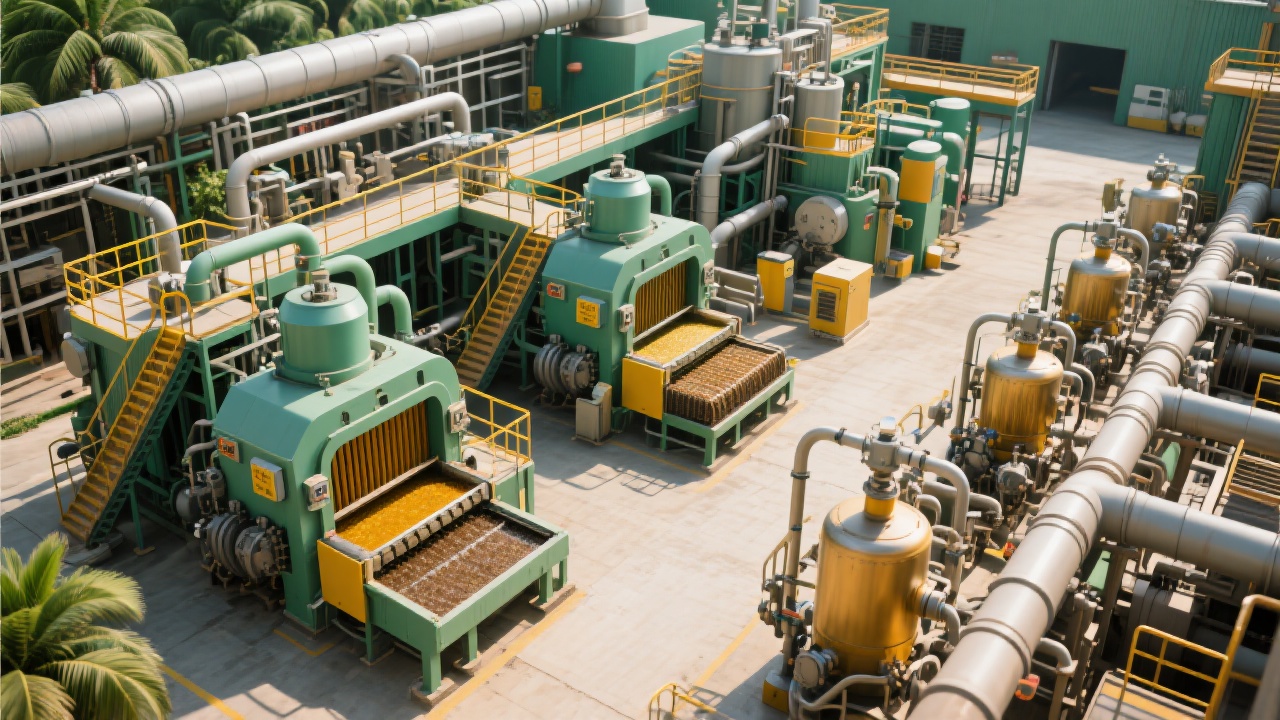
Many newcomers stumble on these key issues:
Solutions are straightforward: calibrate and measure precisely, maintain equipment regularly, and utilize automated systems where possible. This approach reduces scrap rates by up to 7% as reported by users.
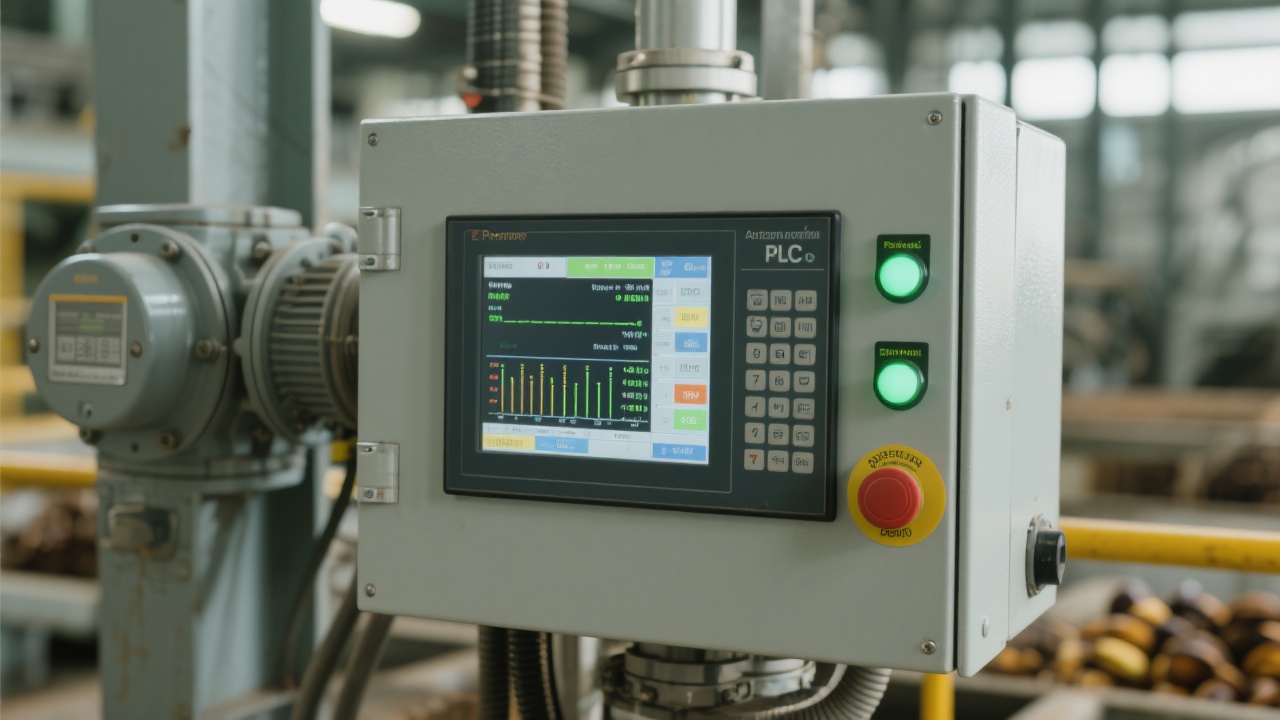
Daily equipment checks safeguard long-term success. Monitor seals for vacuum integrity, verify sensors for accuracy, and clean filters to prevent clogging. Safety protocols such as wearing protective gear during chemical handling and troubleshooting cooling systems to avoid overheating are non-negotiable.
Establishing a systemized operation manual tailored to your plant fosters discipline and reduces downtime by more than 10%, as evidenced by global customers served by QIE Group, whose solutions span over 30 countries, empowering small businesses to scale efficiently.
 palm oil refining optimization
small scale palm oil processing
temperature pressure time control
palm oil deodorization process
PLC control in oil refining
economical palm oil refining machine
palm oil refining equipment operation
palm oil refining machine maintenance
small palm oil processing line
oil refining machinery maintenance
small medium palm oil refining equipment
energy-efficient refining machinery
PLC control systems
energy consumption benchmarks
palm oil equipment selection
palm oil refining line
small palm oil processing equipment
palm oil refining process
palm oil degumming system
palm oil production optimization
Small and medium - sized palm oil refining production line
Palm oil refining equipment selection
Palm oil processing full - process solutions
Energy - saving oil refining equipment
PLC - controlled palm oil production line
palm oil refining optimization
small scale palm oil processing
temperature pressure time control
palm oil deodorization process
PLC control in oil refining
economical palm oil refining machine
palm oil refining equipment operation
palm oil refining machine maintenance
small palm oil processing line
oil refining machinery maintenance
small medium palm oil refining equipment
energy-efficient refining machinery
PLC control systems
energy consumption benchmarks
palm oil equipment selection
palm oil refining line
small palm oil processing equipment
palm oil refining process
palm oil degumming system
palm oil production optimization
Small and medium - sized palm oil refining production line
Palm oil refining equipment selection
Palm oil processing full - process solutions
Energy - saving oil refining equipment
PLC - controlled palm oil production line






.png?x-oss-process=image/resize,h_100,m_lfit/format,webp)
.png?x-oss-process=image/resize,h_100,m_lfit/format,webp)
.png?x-oss-process=image/resize,h_100,m_lfit/format,webp)