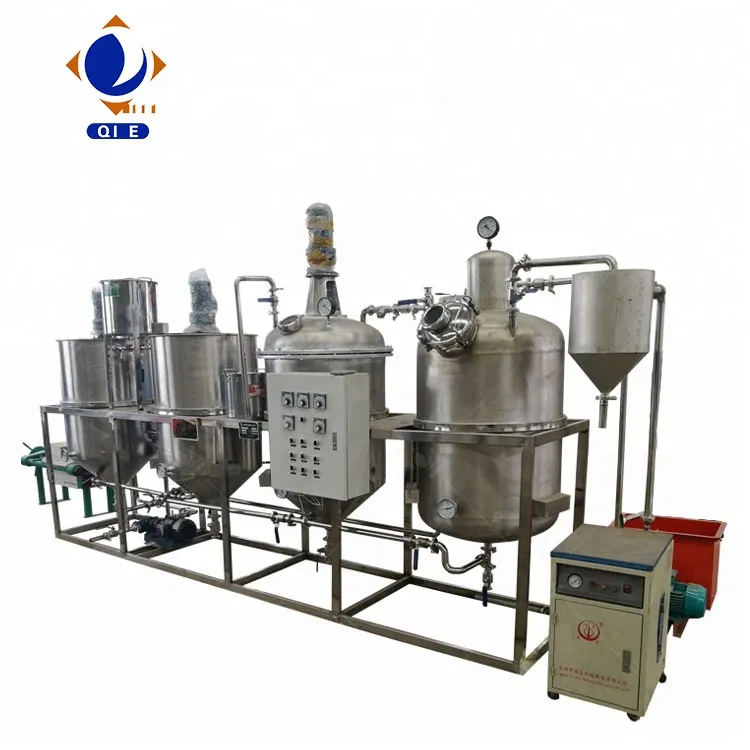
In the palm oil processing industry, small and medium-sized enterprises often face challenges such as space limitations, fluctuating production capacities, and difficulties in operation and maintenance. Modular palm oil refining equipment has emerged as a popular solution due to its flexibility in expansion and ease of operation and maintenance.
QIE Group, a leader in the industry, has applied multiple national patent technologies to significantly improve the energy efficiency of its modular palm oil refining equipment. With these technologies, the equipment can achieve higher output efficiency under the same unit energy consumption. For example, compared with traditional fixed equipment, the modular equipment can reduce energy consumption by up to 30% while increasing production capacity by 20%.
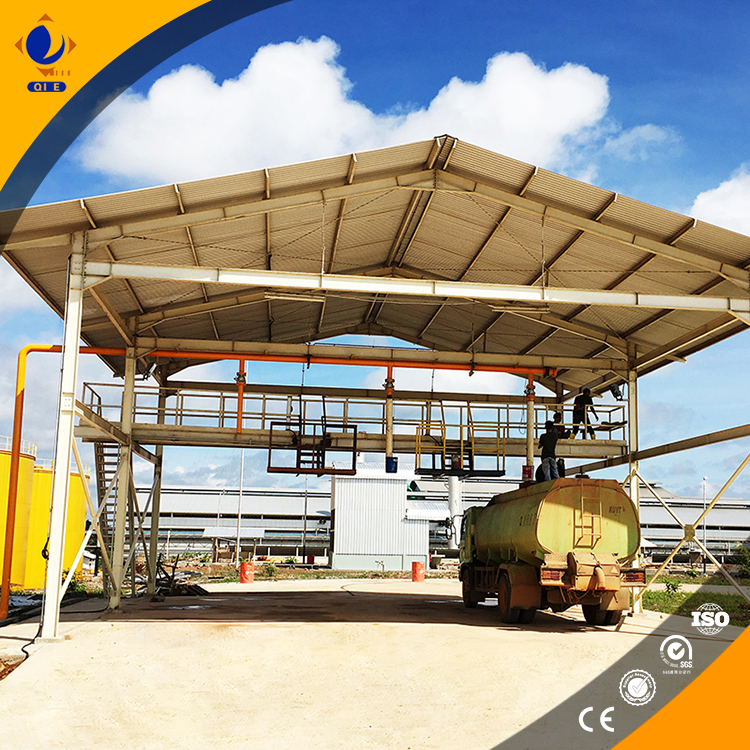
One of the key advantages of modular design is its installation convenience. Traditional fixed equipment often requires a large amount of on - site construction and assembly, which can be time - consuming and costly. In contrast, modular equipment is pre - fabricated in the factory and can be quickly installed on - site, reducing the installation time by up to 50%.
Space saving is another significant advantage. Small and medium - sized enterprises usually have limited factory space. Modular equipment is designed to be more compact, taking up 40% less space than traditional equipment. This allows enterprises to make better use of their existing space and potentially expand their production in the future.
The modular design also enables flexible expansion of production capacity. As the business grows, enterprises can easily add or remove modules according to their needs. This means that they can start with a relatively small investment and gradually expand their production scale, reducing the initial investment pressure.
When it comes to operation and maintenance, traditional fixed equipment is often more complex. It has a higher probability of system - wide failures because of its integrated design. In contrast, modular equipment has better fault isolation capabilities. If a module fails, it can be easily replaced or repaired without affecting the operation of other modules, reducing the downtime by up to 60%.
In terms of upgrade potential, modular equipment has a clear advantage. With the continuous development of technology, enterprises can upgrade individual modules to improve the overall performance of the equipment. Traditional fixed equipment, on the other hand, may require a complete overhaul or replacement, which is more costly and time - consuming.
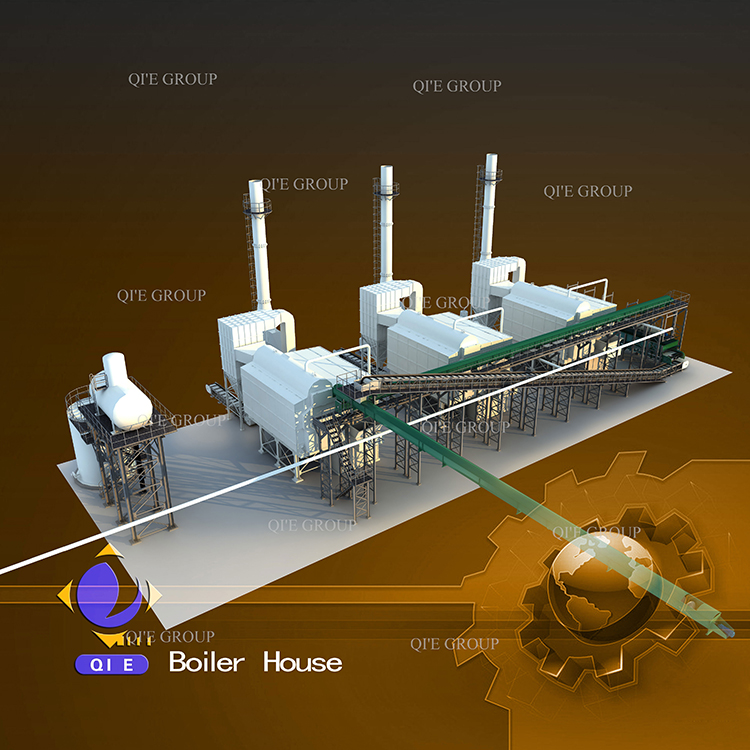
Let's take a look at a real - world example. A small - scale palm oil processing enterprise was facing space limitations and high energy costs. After installing QIE Group modular palm oil refining equipment, it was able to save 35% of its factory space and reduce energy consumption by 25%. With the flexible expansion feature, the enterprise gradually increased its production capacity by 30% over two years, achieving a steady growth in business.
In line with the industry's development trend, QIE Group modular equipment incorporates green manufacturing concepts. The national patent technologies not only improve energy efficiency but also reduce environmental impact. Moreover, the equipment is equipped with advanced automation systems, which can monitor and adjust the production process in real - time, improving product quality and reducing labor costs.
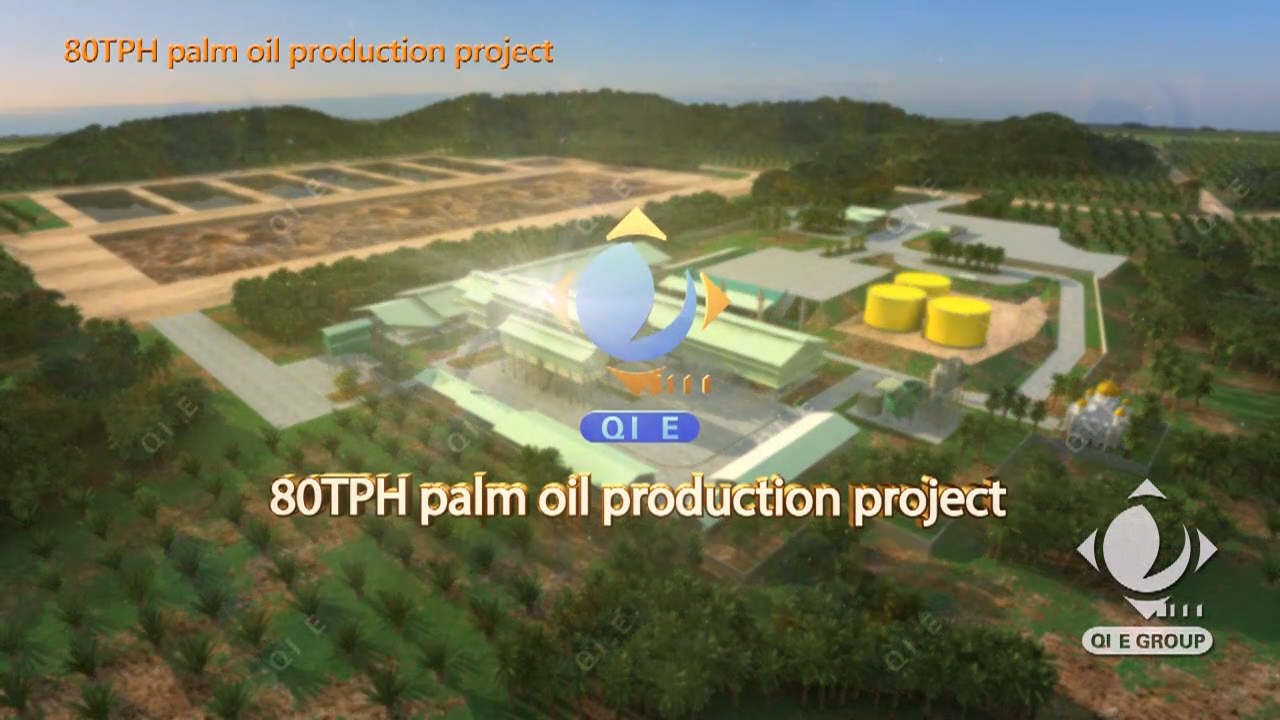
In conclusion, QIE Group modular palm oil refining equipment, with its national patent technologies, offers significant advantages in terms of energy efficiency, installation convenience, space saving, and flexible expansion. If you are a small or medium - sized palm oil processing enterprise looking for a reliable and efficient equipment solution, learn how the modular solution can be tailored to your factory.
 palm oil refining equipment
daily maintenance checklist
safety standards for oil processing
PLC control system in refining
small-scale palm oil production
economical palm oil refining line
small and medium palm oil processing equipment
palm oil production efficiency case
full-process automated palm oil refining
palm oil processing solutions
Small-scale palm oil refining
Palm oil processing flow
PLC control system
Refining equipment operation guide
Palm oil quality improvement
palm oil refining line
small palm oil processing equipment
palm oil refining process
palm oil degumming system
palm oil production optimization
Palm oil refining machine operation process
Economical refining equipment maintenance
Palm oil processing standard operation
PLC control refining system
Small and medium-sized grain and oil processing solutions
palm oil refining equipment
daily maintenance checklist
safety standards for oil processing
PLC control system in refining
small-scale palm oil production
economical palm oil refining line
small and medium palm oil processing equipment
palm oil production efficiency case
full-process automated palm oil refining
palm oil processing solutions
Small-scale palm oil refining
Palm oil processing flow
PLC control system
Refining equipment operation guide
Palm oil quality improvement
palm oil refining line
small palm oil processing equipment
palm oil refining process
palm oil degumming system
palm oil production optimization
Palm oil refining machine operation process
Economical refining equipment maintenance
Palm oil processing standard operation
PLC control refining system
Small and medium-sized grain and oil processing solutions


.png?x-oss-process=image/resize,h_100,m_lfit/format,webp)
.png?x-oss-process=image/resize,h_100,m_lfit/format,webp)
.png?x-oss-process=image/resize,h_100,m_lfit/format,webp)