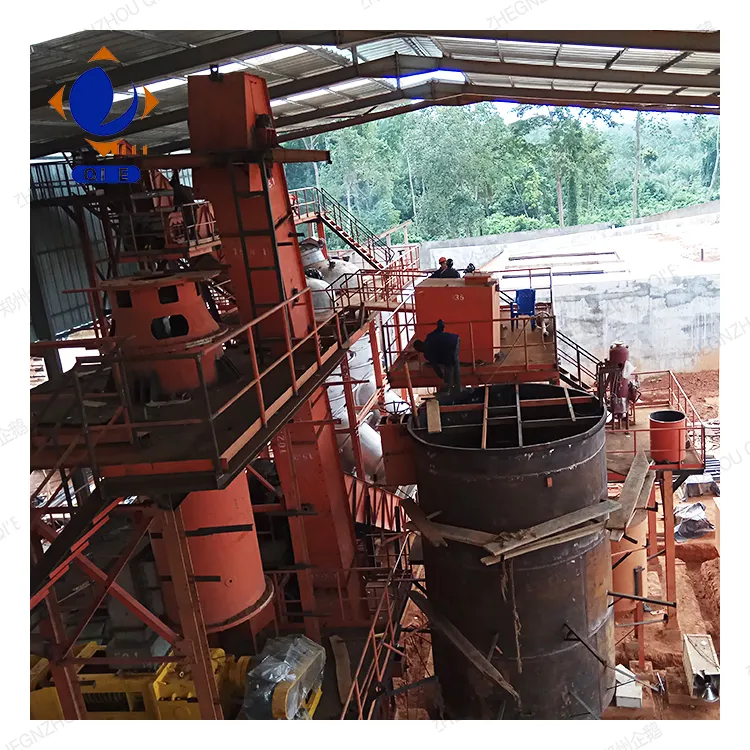
In Nigeria and across West Africa, power instability remains one of the top challenges for small- to medium-sized palm oil processors. According to a 2023 report by the African Development Bank, over 60% of oil mills in sub-Saharan Africa experience voltage fluctuations exceeding ±15%—a range that can trigger automatic shutdowns in standard industrial machinery. This isn’t just an inconvenience—it’s a direct threat to productivity, profitability, and long-term operational sustainability.
“A single day of unplanned downtime in a palm oil refinery can cost up to $2,500 in lost output—especially when production schedules are tight and export contracts are binding.”
Most conventional refining equipment is built for fixed voltage inputs (e.g., 230V or 400V). In regions like northern Nigeria where grid quality varies dramatically—from 180V during peak load hours to 450V during sudden surges—these machines often fail to restart after a brownout. The result? A cascade of issues: PLC controllers reset, sensors lose calibration, and critical valves misfire. One Nigerian mill reported losing three full days of production due to repeated voltage spikes—a loss equivalent to 12% of their monthly output.
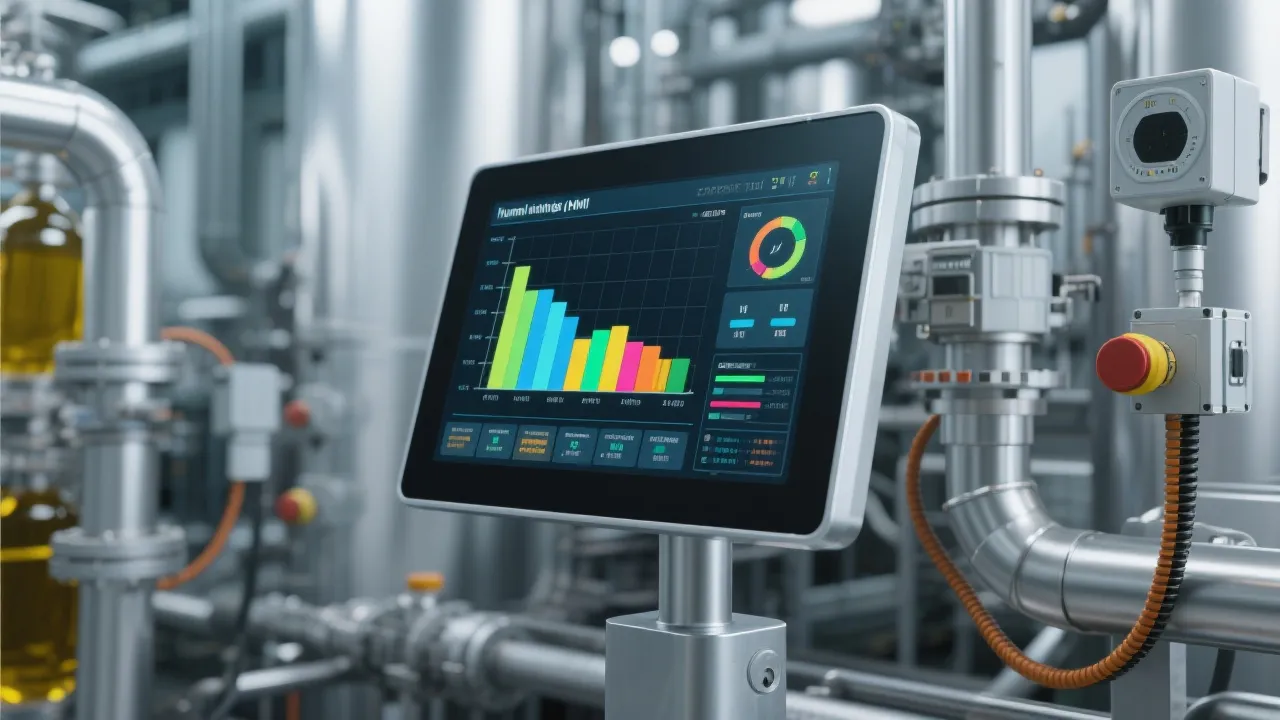
Multi-voltage design (typically 230–430V) acts as a buffer against these extremes. It ensures stable power delivery to control systems even when input fluctuates. When paired with robust PLC logic and high-quality I/O modules, this feature becomes more than a technical specification—it becomes a business continuity tool.
To truly reduce maintenance costs and extend machine life, it's essential to look beyond voltage tolerance. Key components such as gearboxes, pumps, and heating elements must be made from materials rated for continuous stress under variable loads. For example, using stainless steel 316L instead of carbon steel in heat exchangers increases service life by up to 40%, especially in humid tropical environments common in West Africa.
Manufacturers should provide clear metrics on component lifespan under real-world conditions—not just lab tests. Ask for MTBF (Mean Time Between Failures) data and failure mode analysis reports. These help you assess not only initial performance but also long-term value.
As global buyers increasingly demand sustainable sourcing, African producers must align with international standards—not just for compliance, but for competitive advantage. A reliable, multi-voltage system reduces energy waste from frequent starts/stops and lowers carbon emissions per ton of refined oil. This positions your facility as both efficient and environmentally responsible—a key selling point for EU and Middle East buyers alike.
If you're evaluating new palm oil refining equipment for your operation in Nigeria or similar markets, consider this checklist:
For a detailed comparison chart of top-performing multi-voltage refiners used in African oil mills, plus downloadable technical guides tailored to your region, visit our Technical Resource Center.
 Economy palm oil refining machine
Palm oil refining process
Small - scale palm oil production line
Refining machine maintenance skills
Operation of grain and oil machinery
economical palm oil refining line
small and medium palm oil processing equipment
palm oil production efficiency case
full-process automated palm oil refining
palm oil processing solutions
Modular palm oil refining equipment
Small and medium - sized enterprise palm oil processing solutions
Green manufacturing palm oil equipment
Automation upgrade of oil mills
Carbon steel refining equipment
Palm oil refining equipment energy - saving comparison
Small and medium - sized palm oil mill equipment selection
Steam consumption standard
Soft water and electricity consumption optimization
PLC control system application
Palm oil refining equipment
Small and medium - sized palm oil mills
Energy - saving equipment selection
PLC intelligent control
Production efficiency improvement
Economy palm oil refining machine
Palm oil refining process
Small - scale palm oil production line
Refining machine maintenance skills
Operation of grain and oil machinery
economical palm oil refining line
small and medium palm oil processing equipment
palm oil production efficiency case
full-process automated palm oil refining
palm oil processing solutions
Modular palm oil refining equipment
Small and medium - sized enterprise palm oil processing solutions
Green manufacturing palm oil equipment
Automation upgrade of oil mills
Carbon steel refining equipment
Palm oil refining equipment energy - saving comparison
Small and medium - sized palm oil mill equipment selection
Steam consumption standard
Soft water and electricity consumption optimization
PLC control system application
Palm oil refining equipment
Small and medium - sized palm oil mills
Energy - saving equipment selection
PLC intelligent control
Production efficiency improvement





.png?x-oss-process=image/resize,h_100,m_lfit/format,webp)
.png?x-oss-process=image/resize,h_100,m_lfit/format,webp)
.png?x-oss-process=image/resize,h_100,m_lfit/format,webp)