

For small and medium palm oil processors in Southeast Asia, Africa, and Latin America, choosing the right refining equipment isn’t just about cost—it’s about long-term operational flexibility, maintenance ease, and scalability. A recent survey by Global AgriTech Insights (2024) found that 67% of SMEs who upgraded to modular systems saw a 30–40% reduction in installation time compared to traditional fixed setups.
Traditional fixed-refinery units often require months of site preparation, heavy machinery for transport, and extensive on-site welding or piping work. In contrast, modular designs—like those from leading manufacturers using carbon steel with patented heat recovery tech—can be assembled in as little as 2–3 weeks. One Indonesian processor reported saving over $15,000 in labor and logistics costs after switching to a modular system.

Modular systems aren't just easier to install—they’re smarter to operate. With standardized components, troubleshooting becomes faster: if one module fails, it can be isolated without halting production. According to data from a Malaysian pilot project, downtime dropped by 55% when moving from fixed to modular setups.
Carbon steel construction offers excellent durability while keeping material costs down—typically 20–25% less than stainless steel alternatives. When combined with national patent technologies like multi-stage thermal recycling, energy consumption drops by up to 18%, translating into real savings on electricity bills.
“We started with one module and added two more within a year—we didn’t need to rebuild our entire plant.”
— Mr. Ali Hassan, Owner, PalmStar Processing Co., Nigeria
Many SMEs hesitate because they fear investing in something too advanced today. But modular design allows you to scale gradually—from 5 tons/day to 20+ tons/day—without major capital reinvestment. This aligns perfectly with green manufacturing trends: fewer waste streams, lower emissions, and higher throughput per unit of energy.
As automation and IoT integration become standard in agro-processing, modular systems are naturally better suited for digital upgrades—think remote monitoring, predictive maintenance, and real-time yield tracking via cloud dashboards.
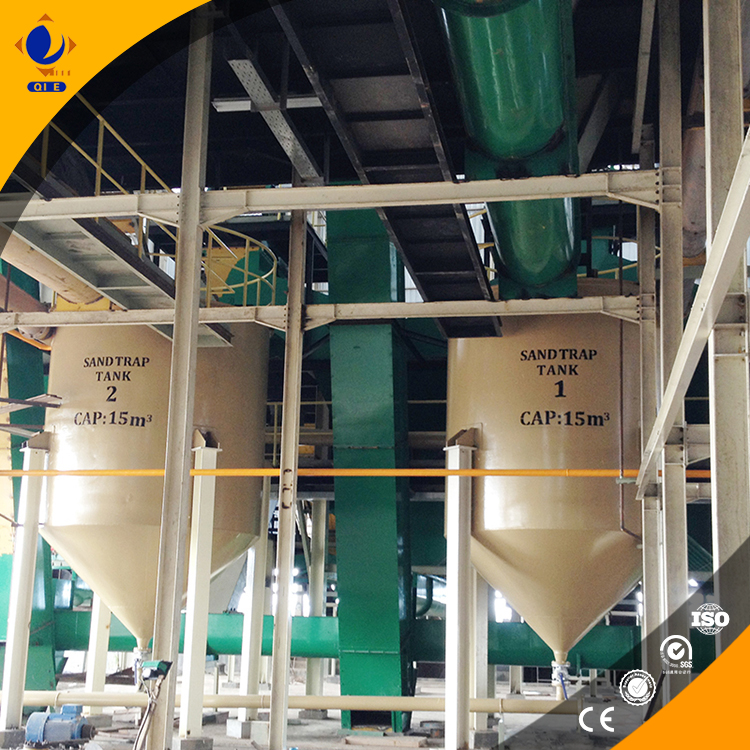
If your goal is sustainable growth—not just short-term savings—you’ll want to understand how modular solutions adapt to evolving needs. Whether you're expanding capacity or optimizing daily operations, this approach gives you control, not constraints.
Let us help you map out a tailored solution based on your current output, space availability, and future goals.
Explore Customized Modular Solutions Palm oil refining process
Small-scale oil mill operation guide
Refining equipment parameter setting
PLC control system application
Oil yield improvement techniques
palm oil refining line
small palm oil processing equipment
palm oil refining process
palm oil degumming system
palm oil production optimization
Small and medium-sized palm oil mills
Energy-saving refining equipment
PLC intelligent control
Low-energy consumption equipment
Production efficiency improvement
palm oil refining machine maintenance
small palm oil processing plant
refinery equipment troubleshooting
palm oil processing equipment保养
PLC control system maintenance
palm oil refining equipment
energy-efficient oil processing
PLC control system
small scale palm oil plant
low energy consumption refining
Palm oil refining process
Small-scale oil mill operation guide
Refining equipment parameter setting
PLC control system application
Oil yield improvement techniques
palm oil refining line
small palm oil processing equipment
palm oil refining process
palm oil degumming system
palm oil production optimization
Small and medium-sized palm oil mills
Energy-saving refining equipment
PLC intelligent control
Low-energy consumption equipment
Production efficiency improvement
palm oil refining machine maintenance
small palm oil processing plant
refinery equipment troubleshooting
palm oil processing equipment保养
PLC control system maintenance
palm oil refining equipment
energy-efficient oil processing
PLC control system
small scale palm oil plant
low energy consumption refining






.png?x-oss-process=image/resize,h_100,m_lfit/format,webp)
.png?x-oss-process=image/resize,h_100,m_lfit/format,webp)
.png?x-oss-process=image/resize,h_100,m_lfit/format,webp)


