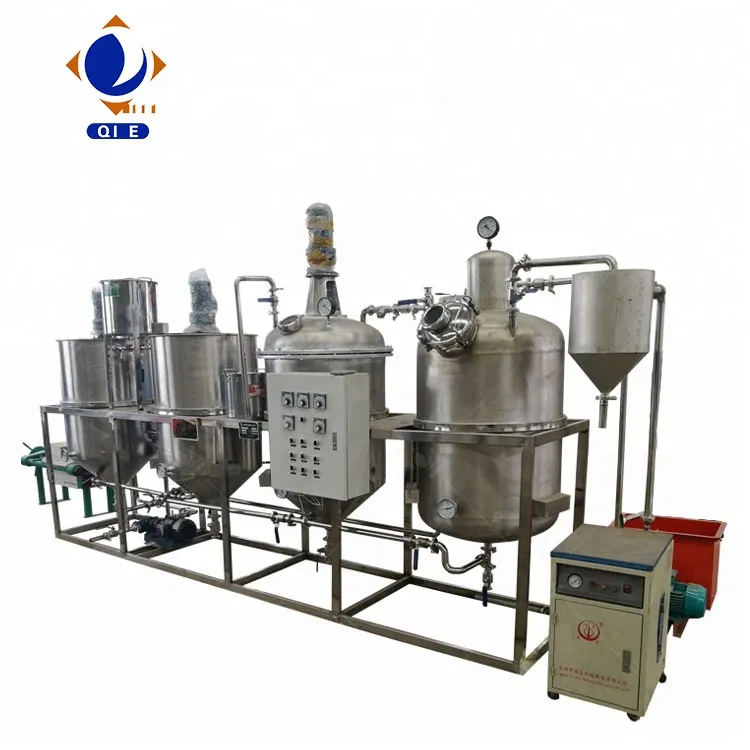
For small and medium - sized enterprises (SMEs) in the palm oil processing industry, choosing the right refining equipment is crucial. Modular and fixed palm oil refining equipment represent two distinct approaches, each with its own set of characteristics. Fixed equipment is typically large - scale, with a unified structure and long - term stability. However, it often requires a large initial investment and a significant amount of space. On the other hand, modular equipment consists of independent units that can be combined as needed. It offers greater flexibility in installation and operation.
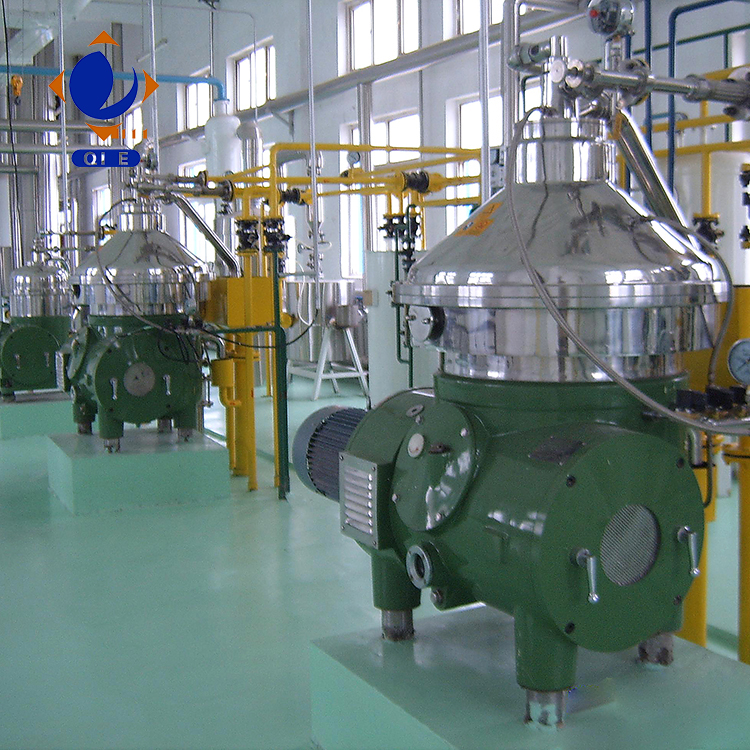
SMEs usually have limited factory space. Modular palm oil refining equipment can be installed in a more compact manner. For example, a modular unit can be designed to fit into a corner of the factory, while a fixed system might require a large, dedicated area. This space - saving feature allows SMEs to make the most of their available space and potentially reduce rental costs.
Investment is a major concern for SMEs. Modular equipment generally has a lower upfront cost compared to fixed equipment. A fixed palm oil refining system may cost around $500,000 - $1 million, while a modular system can start from as low as $100,000 - $300,000, depending on the capacity. This lower investment threshold enables SMEs to enter the market with less financial pressure.
As the business grows, SMEs need to expand their production capacity. Modular equipment can be easily expanded by adding more modules. For instance, if an SME initially starts with a small - scale modular system with a capacity of 10 tons per day, it can gradually add modules to increase the capacity to 20 or 30 tons per day. In contrast, expanding a fixed system often requires a major overhaul or even the replacement of the entire equipment, which is both time - consuming and costly.
The modular palm oil refining equipment is equipped with national patent technology, which significantly improves energy efficiency. The patented design reduces energy consumption by about 20% - 30% compared to traditional equipment. This means that for an oil factory with an annual energy cost of $100,000, it can save up to $20,000 - $30,000 per year.
Carbon steel is used as the main material for the equipment. It offers high cost - effectiveness. Carbon steel is cheaper than stainless steel, and it can still provide good corrosion resistance and durability in the palm oil refining process. According to industry experts, "The combination of national patent technology and carbon steel material in modular palm oil refining equipment provides a high - performance and cost - effective solution for SMEs."
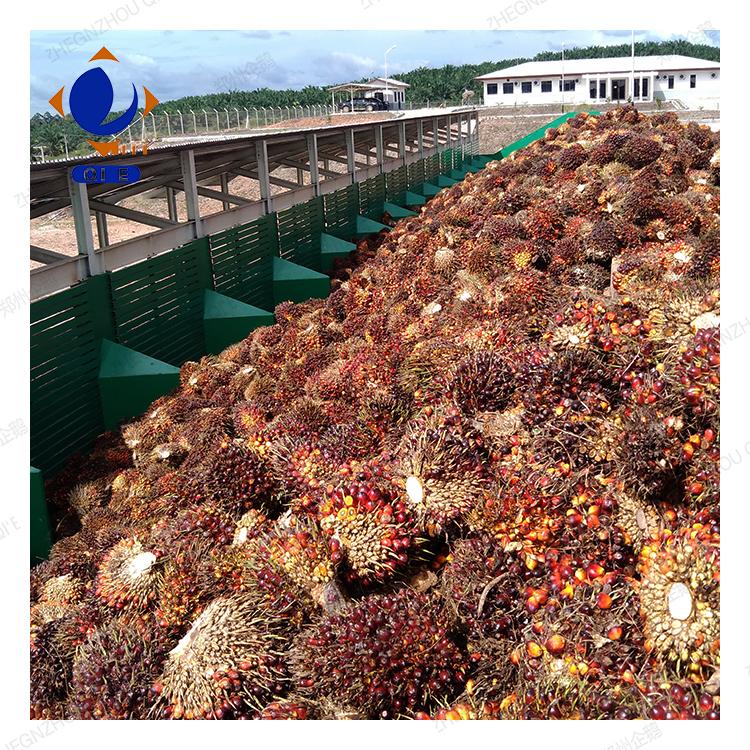
There are many real - world examples of SMEs using modular palm oil refining equipment. One SME started with a small - capacity modular system of 5 tons per day. With the growth of the market demand, they gradually added modules over a period of 3 - 5 years. Now, their production capacity has reached 20 tons per day. This step - by - step expansion path allows them to manage their investment and production more effectively.
In the context of green manufacturing and automation upgrades, modular palm oil refining equipment is more in line with the industry trend. Green manufacturing requires equipment to be energy - efficient and environmentally friendly. The energy - saving features of modular equipment meet this requirement. Automation upgrades mean that the equipment should be easy to integrate with automated control systems. Modular design allows for better integration with automation technology, improving production efficiency and reducing labor costs.
With the continuous development of the palm oil industry, the demand for more flexible and efficient refining solutions is increasing. The technology of modular palm oil refining equipment is becoming more mature, and the cost is becoming more reasonable. At the same time, the market competition is intensifying, and SMEs need to improve their competitiveness through cost - reduction and efficiency - improvement. Now is the best time for SMEs to consider deploying modular equipment.
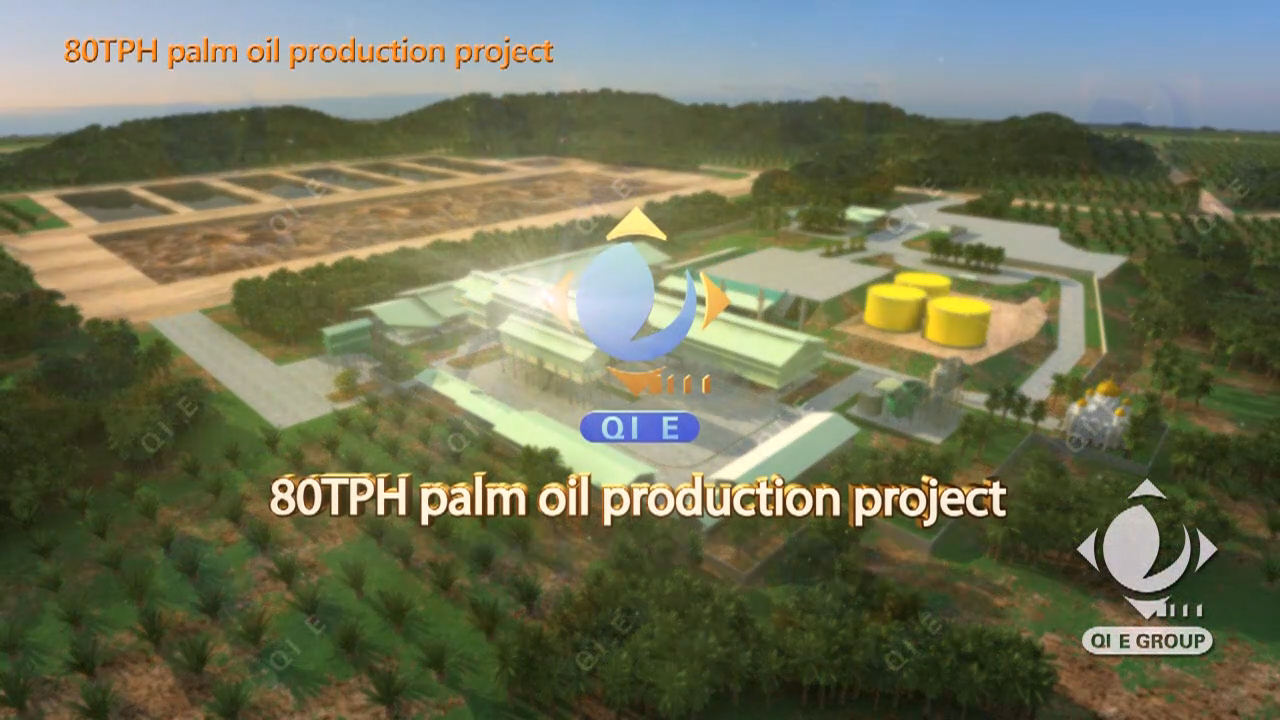
Are you looking for a palm oil refining solution that can adapt to your factory's needs? Learn how the modular solution can fit your factory.


.png?x-oss-process=image/resize,h_100,m_lfit/format,webp)
.png?x-oss-process=image/resize,h_100,m_lfit/format,webp)
.png?x-oss-process=image/resize,h_100,m_lfit/format,webp)