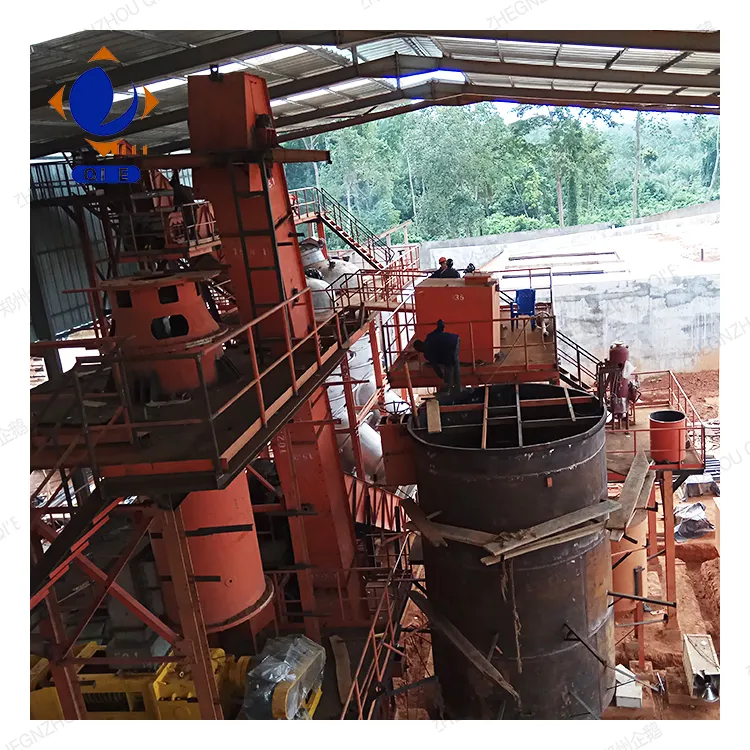
The palm oil processing industry is undergoing rapid transformation, driven by the need for sustainable growth and operational flexibility. Small and medium-sized enterprises (SMEs) face mounting pressure to optimize production without hefty investments or excessive footprint demands. Modular palm oil refining equipment emerges as a trusted innovation, delivering unparalleled benefits in installation speed, space utilization, and maintenance ease – all vital to enabling flexible growth infrastructure for SMEs.
SMEs in the palm oil sector often grapple with a unique set of operational pain points:
These factors underpin the urgent need for a cost-effective processing solution that synchronizes with SMEs’ dynamic production requirements.
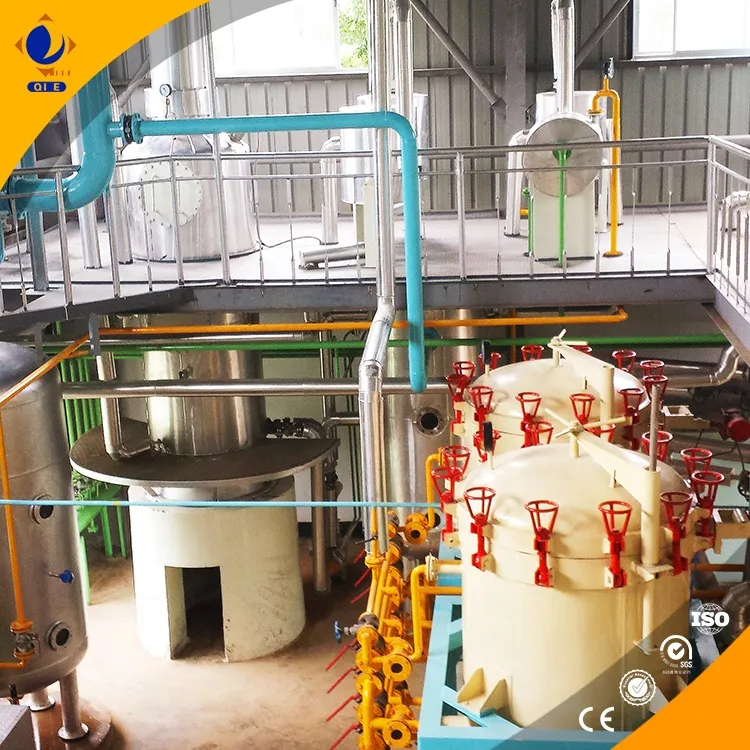
Modular equipment redefines palm oil refining by dividing processes into discrete, standardized units. This design approach offers several notable advantages:
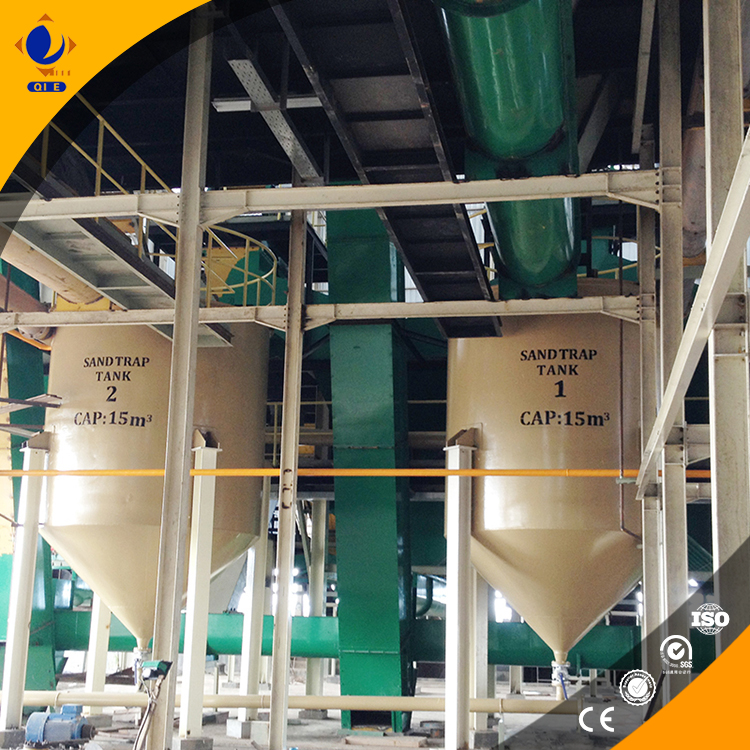
Traditional fixed systems, often constructed on-site with custom welding and piping, lack the agility now demanded by the industry:
| Feature | Modular Equipment | Traditional Fixed Equipment |
|---|---|---|
| Installation Time | 2–3 weeks (pre-assembled) | 3–6 months (on-site fabrication) |
| Space Requirement | Compact footprint, ~30% less | Large footprint, fixed layout |
| Maintenance | Modular isolation reduces downtime | System-wide shutdowns common |
| Energy Efficiency | Integrated energy-saving modules (e.g., optimized steam consumption) | Often less efficient due to outdated design |
State-of-the-art modular refining equipment leverages carbon steel construction combined with national patented technologies to enhance durability and energy efficiency. For instance:
These optimizations complement the emerging green manufacturing paradigm, reinforcing commitment to eco-friendly production chains.
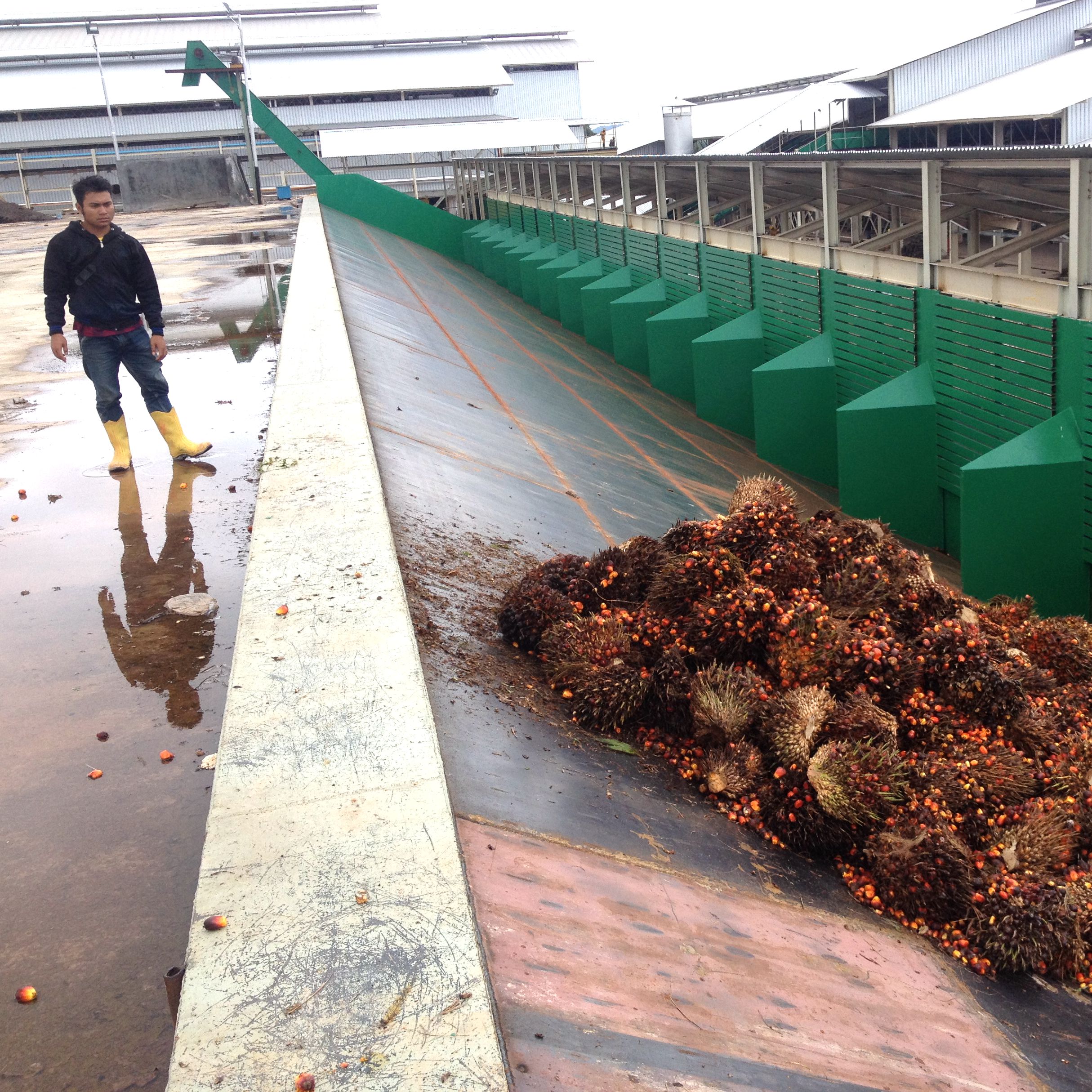
Consider an anonymous SME that adopted modular refining units to replace their aging fixed equipment. Initially installing two modules supporting 20 tons/day, the company expanded by adding three modules within 18 months — increasing capacity to 50 tons/day without disrupting ongoing operations.
Benefits reported include:
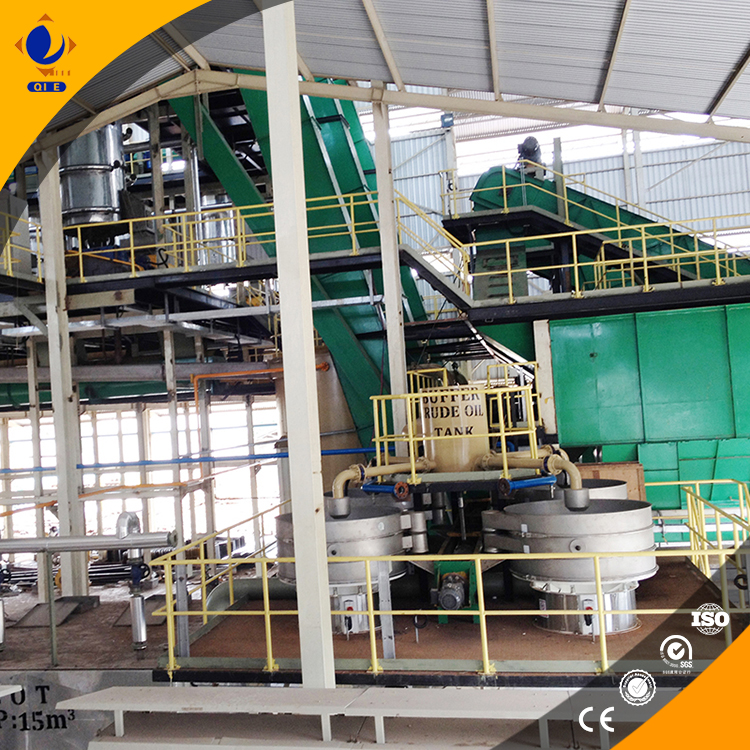
SMEs seeking a flexible, cost-efficient, and environmentally responsible solution will find modular palm oil refining equipment an indispensable asset. By shifting from isolated equipment procurement to a holistic modular solution, enterprises create a solid foundation for sustainable growth and competitive advantage.
 small palm oil refining equipment
palm oil refining process
PLC control system
refinery maintenance safety
small scale oil processing
small-scale palm oil refining
palm oil refining equipment
PLC controlled palm oil refinery
palm oil processing steps
mini palm oil plant operation
palm oil refining equipment
high - efficiency and energy - saving equipment
soft water usage
PLC control system
small and medium - sized palm oil mills
palm oil refining equipment
energy-efficient oil processing
PLC control system
small scale palm oil plant
low energy consumption refining
economical palm oil refining equipment
small-scale palm oil production line
palm oil refining machine selection
palm oil refining process
equipment maintenance tips
small palm oil refining equipment
palm oil refining process
PLC control system
refinery maintenance safety
small scale oil processing
small-scale palm oil refining
palm oil refining equipment
PLC controlled palm oil refinery
palm oil processing steps
mini palm oil plant operation
palm oil refining equipment
high - efficiency and energy - saving equipment
soft water usage
PLC control system
small and medium - sized palm oil mills
palm oil refining equipment
energy-efficient oil processing
PLC control system
small scale palm oil plant
low energy consumption refining
economical palm oil refining equipment
small-scale palm oil production line
palm oil refining machine selection
palm oil refining process
equipment maintenance tips




.png?x-oss-process=image/resize,h_100,m_lfit/format,webp)
.png?x-oss-process=image/resize,h_100,m_lfit/format,webp)
.png?x-oss-process=image/resize,h_100,m_lfit/format,webp)