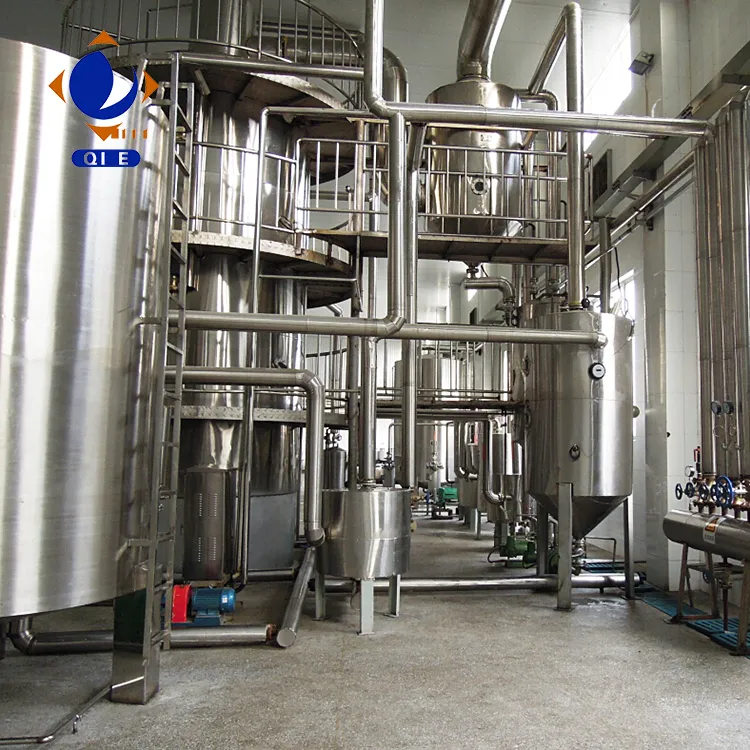
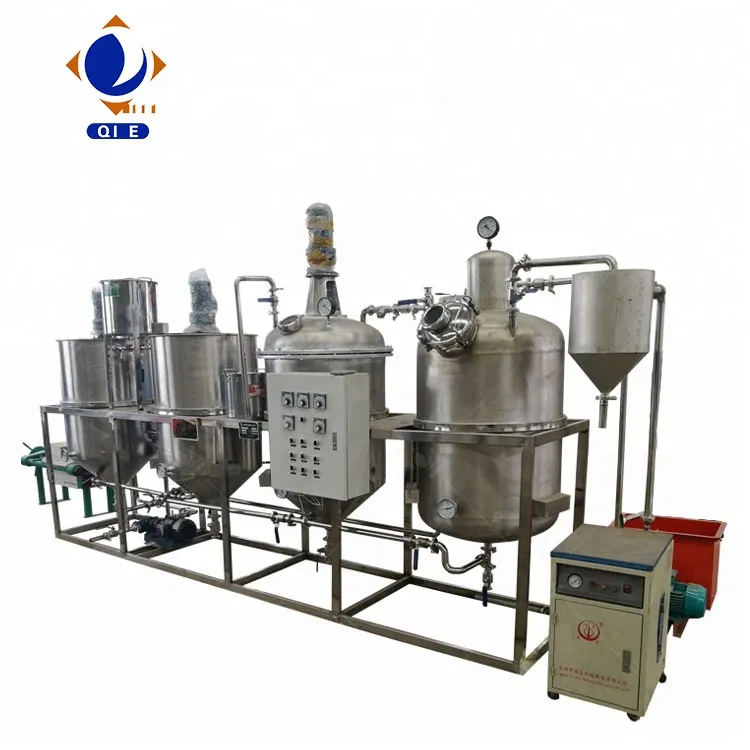
For many small and mid-sized palm oil refiners, expansion isn’t just about adding capacity—it’s about doing it without disrupting operations or overextending capital. Traditional fixed-line equipment often forces a "buy once, commit forever" mindset that leaves businesses stuck when demand shifts.
That’s where modular palm oil refining systems come in—not as a gimmick, but as a strategic evolution. In real-world applications across Southeast Asia and Africa, companies have successfully scaled from 500 tons/day to 2,000 tons/day using modular units—without tearing down existing lines or waiting months for custom fabrication.
Take one anonymous Malaysian processor: they started with a 500-ton/day system using carbon steel components and patented pre-heating technology. Within 18 months, they added two more modules—each handling 500 tons—and increased throughput to 1,500 tons/day. Total investment? Just 30% higher than buying a single 2,000-ton unit outright.
The key advantages? Flexibility in space (no need for a full new building), lower upfront cost per ton, and the ability to scale incrementally based on cash flow and market signals. One client noted: “We didn’t waste money on idle capacity—we grew only when we had orders.”

This shift—from seeing machines as isolated assets to viewing them as parts of an integrated production ecosystem—is what separates sustainable growth from temporary fixes.
Modern modular systems integrate seamlessly with automation platforms like PLC controls and IoT sensors, enabling remote monitoring, predictive maintenance, and energy optimization. For example, our clients report up to 18% reduction in power consumption thanks to smart heat recovery loops—a major win under tightening green regulations in EU and GCC markets.
And here's the kicker: these systems are designed for future upgrades. Whether it's swapping out a deodorizer module or integrating a new bleaching station, the architecture supports change—not resistance.
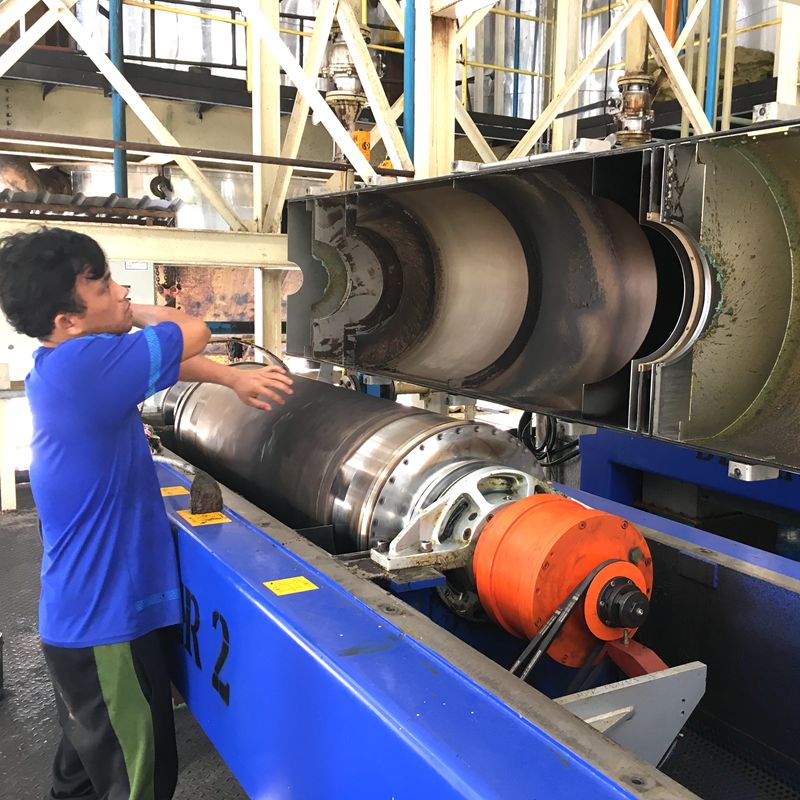
If you’re managing a growing palm oil business and want to avoid costly mistakes in expansion planning—you deserve a solution that grows with your ambitions, not against them.
Our team has helped over 40 SMEs across Indonesia, Nigeria, and Thailand implement scalable, efficient refining setups tailored to their unique factory layouts and production goals. Let us show you how your facility can adapt—not just survive—next year’s demand surge.


.png?x-oss-process=image/resize,h_100,m_lfit/format,webp)
.png?x-oss-process=image/resize,h_100,m_lfit/format,webp)
.png?x-oss-process=image/resize,h_100,m_lfit/format,webp)