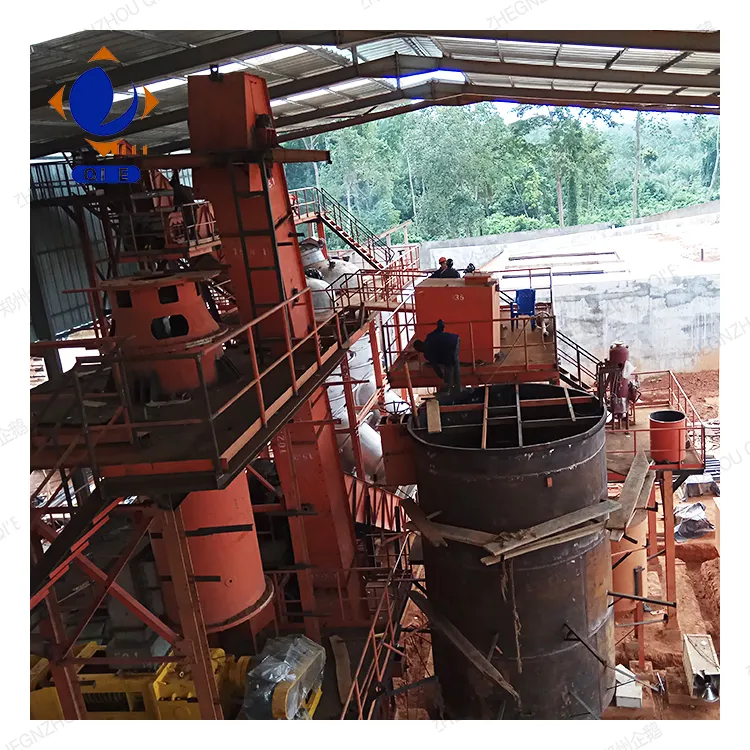
In the palm oil processing industry, small and medium - sized enterprises (SMEs) are facing a series of challenges in equipment selection. According to industry research, the global palm oil production is expected to reach [X] million tons by [Year], with a compound annual growth rate of [X]% in the past five years. This growing market demand has put forward higher requirements for the production capacity and flexibility of palm oil processing equipment.
The palm oil processing industry is experiencing rapid development. With the increasing demand for palm oil in food, biofuel, and other industries, the market scale is constantly expanding. However, SMEs often face difficulties in keeping up with the market changes due to limited resources and production capacity. They need equipment that can adapt to different production scales and market fluctuations.
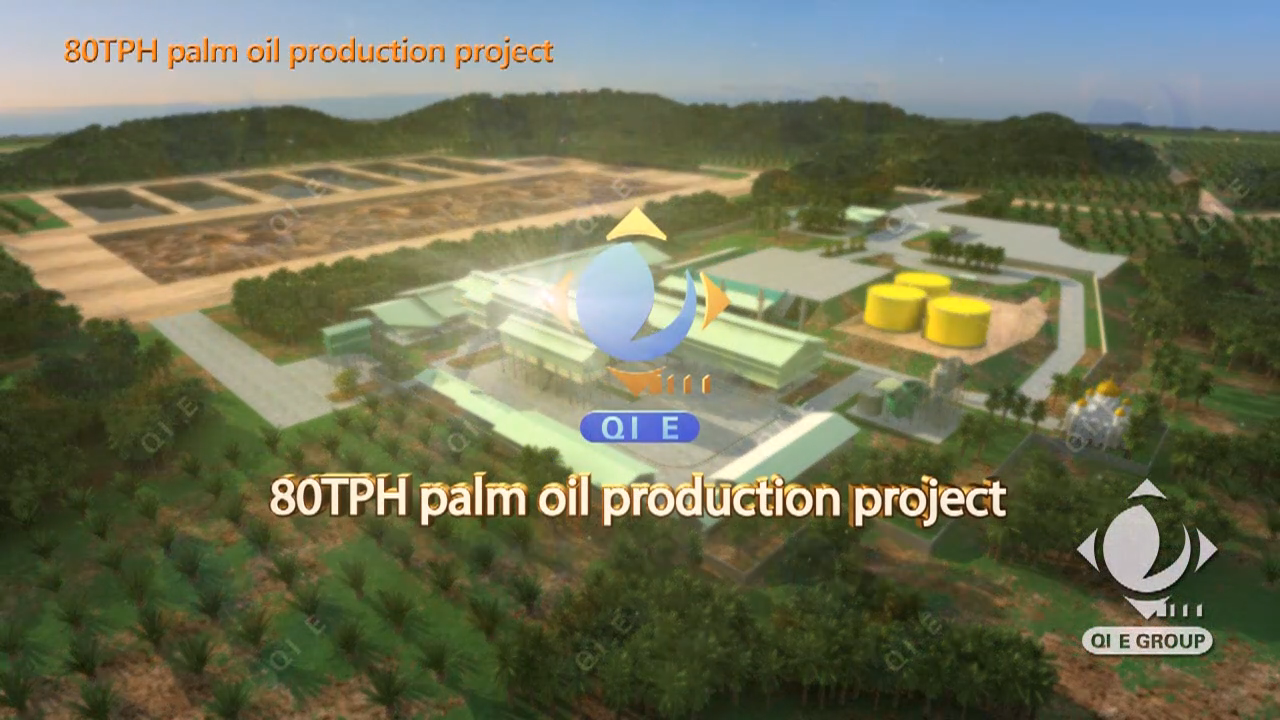
SMEs encounter several key pain points when choosing palm oil processing equipment. Firstly, space is a major concern. Most SMEs have limited factory space, and traditional large - scale equipment may not fit. Secondly, cost - effectiveness is crucial. SMEs need to control investment costs while ensuring equipment performance. Thirdly, capacity fluctuations are a challenge. The market demand for palm oil varies, and equipment needs to be able to adjust production capacity accordingly. Finally, the complexity of operation and maintenance is also a headache. SMEs often lack professional technical personnel, so they need equipment that is easy to operate and maintain.
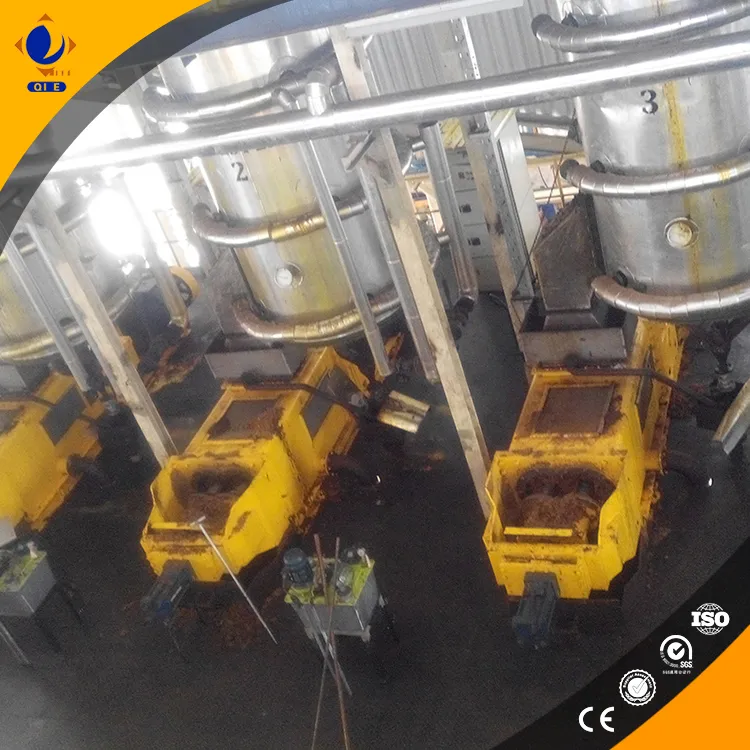
Modular palm oil refining equipment has emerged as a solution to these problems. Its modular design offers several significant advantages. Installation and commissioning are extremely convenient. Compared with traditional equipment, which may take [X] weeks for installation, modular equipment can be installed in just [X] days. This not only saves time but also reduces production downtime. In addition, modular equipment can save up to [X]% of factory space due to its compact design. It also has the ability of fault isolation, which means that if one module fails, it will not affect the operation of other modules, and it is easy to upgrade individual modules.
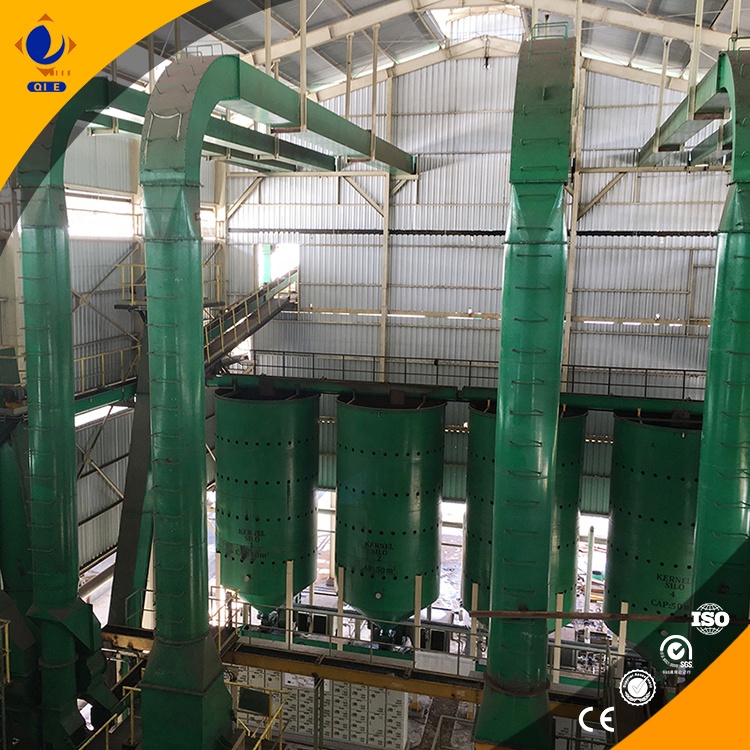
The use of carbon steel material in modular palm oil refining equipment provides high cost - effectiveness and durability. Carbon steel is relatively inexpensive compared to other materials, while still maintaining good mechanical properties. Moreover, the application of national - patented technology can significantly improve the energy - output efficiency. It can reduce energy consumption by [X]% per unit of output, which not only saves costs but also aligns with the trend of green manufacturing.
Let's look at some real - world cases. A small - scale palm oil processing enterprise in [Country] was facing difficulties in expanding production due to limited space and high costs. After adopting modular palm oil refining equipment, it was able to smoothly expand its production capacity by [X]% within [X] months. The equipment's easy - to - maintain feature also reduced maintenance costs by [X]%.
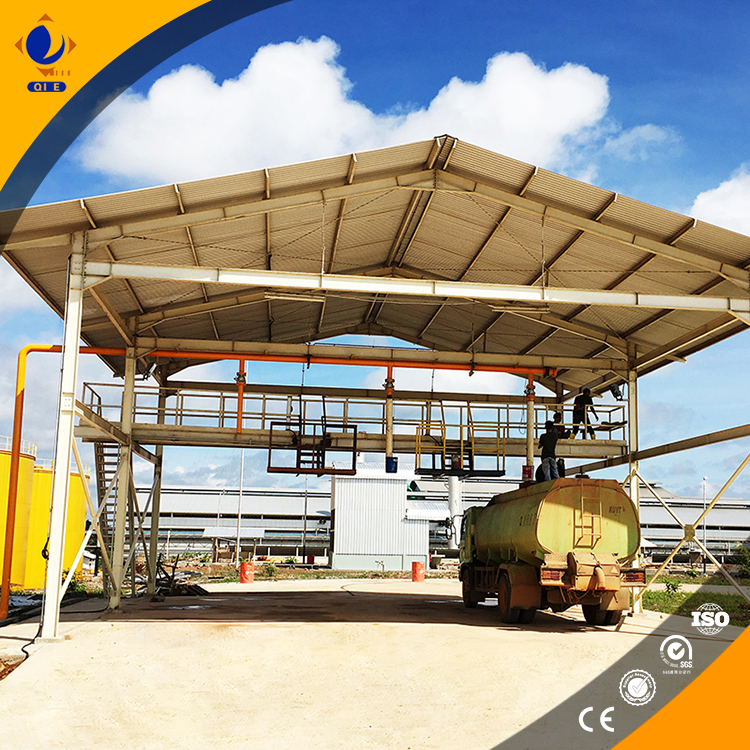
In the context of green manufacturing and automation trends, modular palm oil refining equipment shows strong forward - looking and sustainable competitiveness. It can be easily integrated with automated control systems, improving production efficiency and product quality. Moreover, its energy - saving features meet the requirements of environmental protection, which is becoming increasingly important in the global market.
For enterprise decision - makers, when considering investing in palm oil processing equipment, they should take a comprehensive view. They should not only focus on the initial investment cost but also consider the long - term operation and maintenance costs, production flexibility, and energy efficiency. Modular palm oil refining equipment provides a more rational and comprehensive solution.
Discover how the modular solution can help your factory upgrade flexibly
 small palm oil processing
palm oil refining parameters
oil yield optimization
PLC control system
palm oil quality improvement
Palm oil refining production line
Palm fruit pressing
Refining deodorization process
Equipment selection for small and medium - sized enterprises
Grain and oil machinery equipment
Modular palm oil refining equipment
Solutions for small and medium - sized enterprise oil mills
Energy - saving technology for palm oil processing equipment
Carbon steel refining equipment
Automated oil mill transformation
small-scale palm oil refining
palm oil processing
palm oil degumming
palm oil deodorization
PLC control system in palm oil
palm oil refining equipment
energy-efficient refining solutions
PLC intelligent control system
small and medium palm oil mills
low energy consumption technology
small palm oil processing
palm oil refining parameters
oil yield optimization
PLC control system
palm oil quality improvement
Palm oil refining production line
Palm fruit pressing
Refining deodorization process
Equipment selection for small and medium - sized enterprises
Grain and oil machinery equipment
Modular palm oil refining equipment
Solutions for small and medium - sized enterprise oil mills
Energy - saving technology for palm oil processing equipment
Carbon steel refining equipment
Automated oil mill transformation
small-scale palm oil refining
palm oil processing
palm oil degumming
palm oil deodorization
PLC control system in palm oil
palm oil refining equipment
energy-efficient refining solutions
PLC intelligent control system
small and medium palm oil mills
low energy consumption technology






.png?x-oss-process=image/resize,h_100,m_lfit/format,webp)
.png?x-oss-process=image/resize,h_100,m_lfit/format,webp)
.png?x-oss-process=image/resize,h_100,m_lfit/format,webp)