

The palm oil processing sector, particularly small to medium enterprises (SMEs), faces pressing challenges such as limited space, fluctuating capacity demands, and stringent investment constraints. Traditional fixed refining equipment often falls short in addressing these concerns due to bulky footprints, lengthy installation times, and low adaptability to changing production volumes.
Modular palm oil refining units are engineered as pre-fabricated standardized sections, enabling rapid on-site assembly and commissioning within 30-40% less installation time compared to conventional fixed systems. Unlike monolithic equipment, these modules can be independently maintained or upgraded without halting the entire production line, substantially reducing downtime.
Fault isolation in modular designs enables targeted troubleshooting—if one module experiences issues, it can be bypassed or repaired while others continue running. This characteristic is vital for SMEs aiming to maintain output continuity amidst unpredictable order volumes.
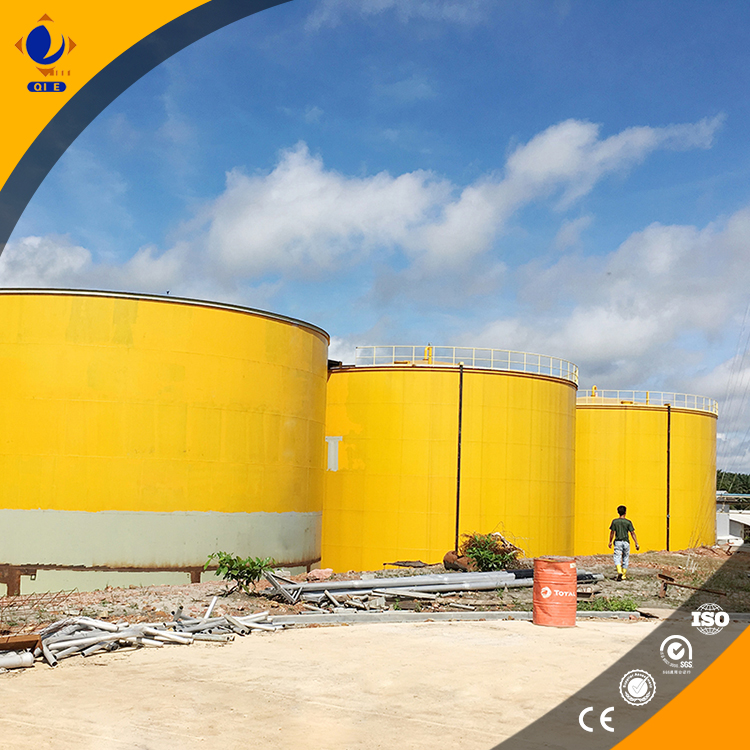
Utilizing carbon steel as the core material achieves a crucial balance between durability and cost-effectiveness. While stainless steel offers corrosion resistance, carbon steel’s approximately 25-30% lower material costs make it preferable for enterprises focused on return on investment without sacrificing operational lifespan.
Complementing the material benefits, integrating national patented technologies significantly curtails energy consumption. For example, patented steam economizer configurations can reduce steam consumption by up to 18%, translating into substantial savings on operational expenditures per production cycle.
| Parameter | Traditional Fixed System | Modular System |
|---|---|---|
| Installation Time | 6-8 weeks | 3-5 weeks |
| Space Requirement | >150 m² | <100 m² |
| Downtime per Fault | 8-12 hours | 2-4 hours |
| Steam Consumption (per ton refined) | 250-280 kg | 205-220 kg |
Numerous SMEs in Southeast Asia and West Africa have leveraged modular palm oil refining solutions to transition smoothly from small-scale operations (~3 tons/hour) to medium scale (up to 12 tons/hour) by incrementally adding modules. This phased investment minimizes upfront capital pressure while aligning capacity with dynamic market demand.
One such example involves a Ghana-based factory that doubled output within 18 months without relocating or major infrastructure overhaul—demonstrating modularity as an enabler for sustainability and resilience.

Choosing modular palm oil refining equipment transcends mere procurement—it is a strategic decision impacting operational agility and future-proofing. By adopting this infrastructure mindset, enterprises can better manage cash flow, respond swiftly to market fluctuations, and position themselves competitively within global supply chains.
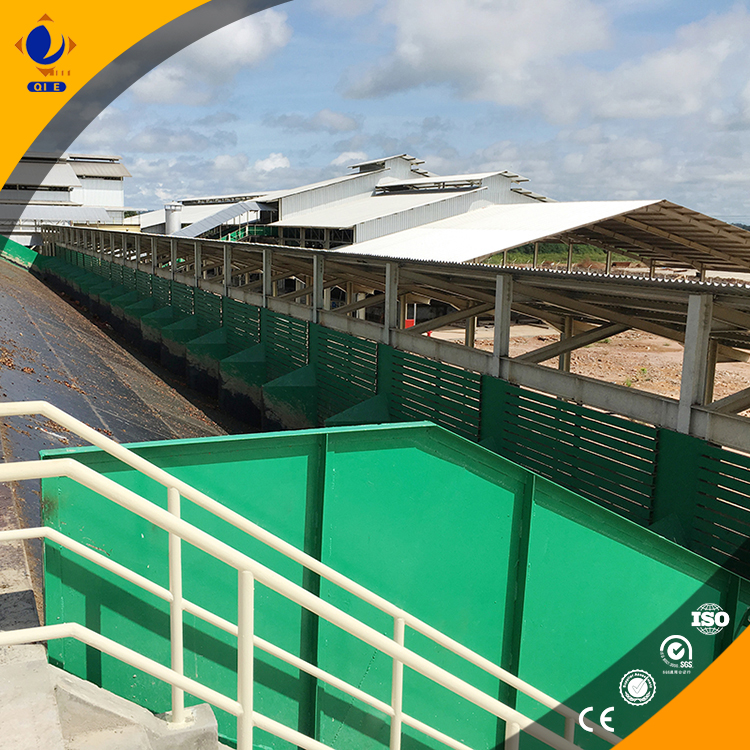
The question for decision-makers is no longer “Which device suits my current needs?”, but rather “How can we build a scalable, energy-efficient, and maintainable refinery ecosystem?” Reflecting on your plant’s spatial, operational, and budgetary parameters can uncover tailored modular solutions that optimize every ton of palm oil refined, ensuring each growth step is measured and manageable.
Discover How Modular Palm Oil Refining Enhances Your Factory’s Efficiency & Expansion


.png?x-oss-process=image/resize,h_100,m_lfit/format,webp)
.png?x-oss-process=image/resize,h_100,m_lfit/format,webp)
.png?x-oss-process=image/resize,h_100,m_lfit/format,webp)


