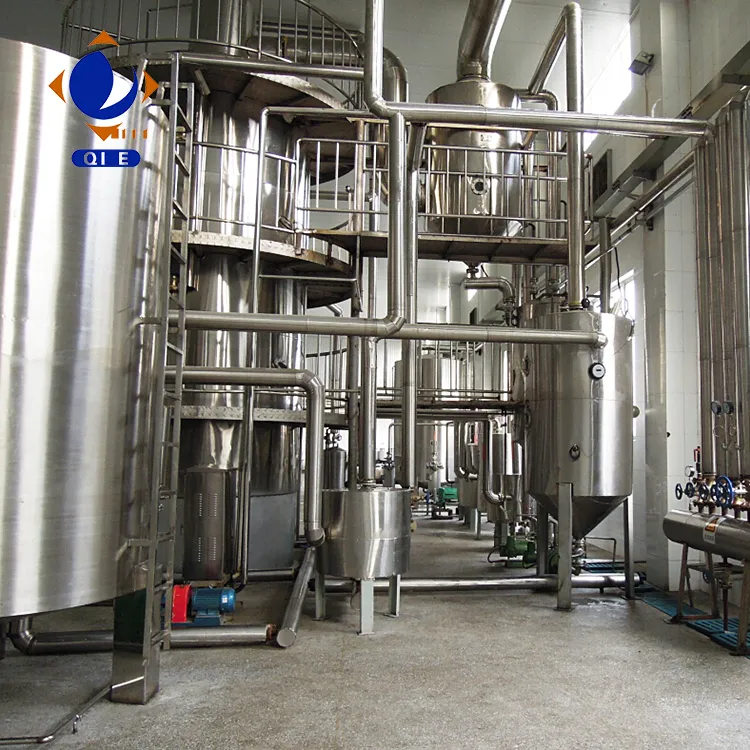
Small and medium - sized palm oil mills often face a series of practical challenges. Limited by small factory spaces, they struggle to install large - scale equipment. Insufficient funds also restrict their ability to invest in advanced production lines. Moreover, unstable production volumes make it difficult to plan long - term production strategies. These issues have become bottlenecks for the development of small and medium - sized enterprises (SMEs) in the palm oil industry.
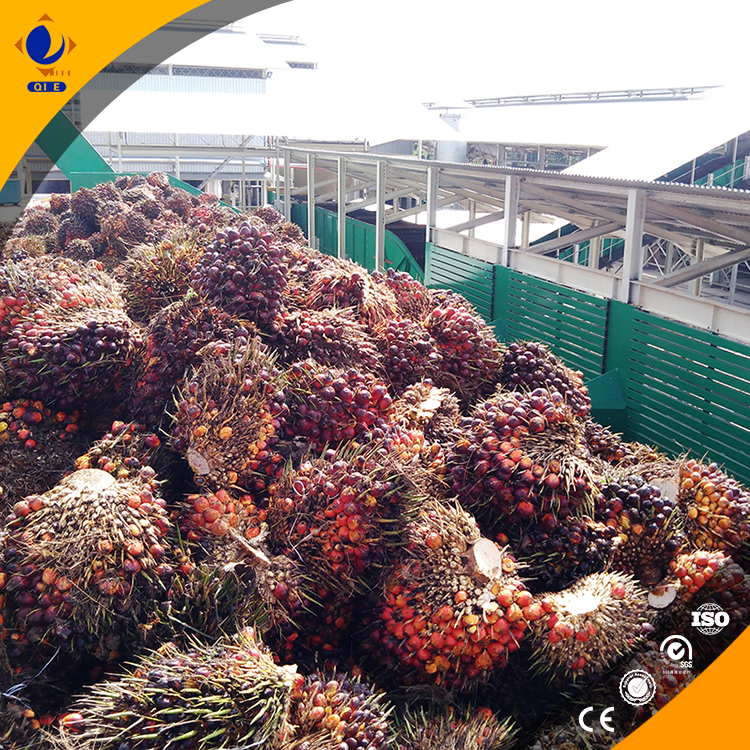
Modular palm oil refining equipment offers significant advantages over traditional fixed equipment. In terms of deployment speed, modular equipment can be installed much faster. Traditional fixed equipment usually requires a long - term installation process, often taking several months. In contrast, modular equipment can be installed and commissioned within a few weeks, reducing the time from investment to production. For example, a traditional fixed equipment installation might take 3 - 4 months, while a modular one can be completed in just 1 - 2 months.
When it comes to expandability, modular design allows for easy addition of production capacity. As an SME grows, it can simply add new modules to the existing system, rather than replacing the entire production line. This not only saves costs but also minimizes production disruptions. In addition, modular equipment has strong fault - isolation capabilities. If a module fails, it can be quickly isolated and repaired without affecting the operation of other modules, ensuring continuous production.
The carbon steel material used in modular palm oil refining equipment provides high cost - effectiveness and stability. Carbon steel is relatively inexpensive compared to some special alloys, while still offering good durability and corrosion resistance. This makes it an ideal choice for SMEs with limited budgets. At the same time, the national patent technology applied in these equipment significantly improves energy efficiency. According to relevant data, modular equipment with this patent technology can reduce unit energy consumption by 15% - 20% compared to traditional equipment, greatly increasing the output per unit of energy consumption.
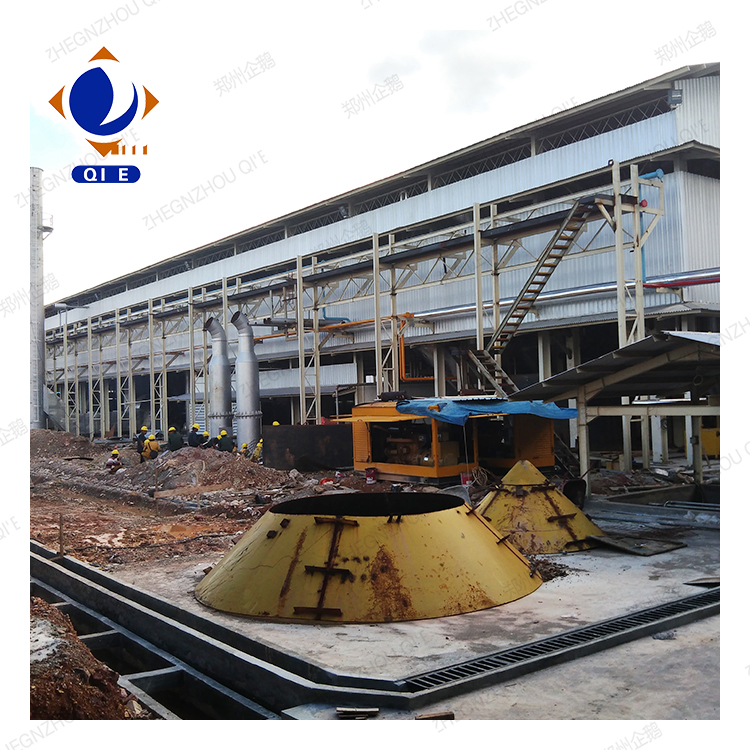
Let's look at a real - world example. A small palm oil mill started with a small - scale modular production line. With the growth of the market, it gradually added new modules to the existing system. In just 3 - 5 years, it successfully expanded from a small - scale production line to a medium - scale one. This shows that modular equipment can support the step - by - step development of SMEs, helping them to gradually increase production capacity according to market demand.
The one - stop service provided by the modular palm oil refining equipment suppliers is another major advantage. They offer services from equipment procurement, installation, commissioning to after - sales maintenance, which saves a lot of time and energy for SMEs. Moreover, with global application experience, these suppliers can handle various problems in different regions, enhancing customers' trust. As one customer feedback: "The modular solution not only solved our space problem but also saved us a lot of money in the long run."
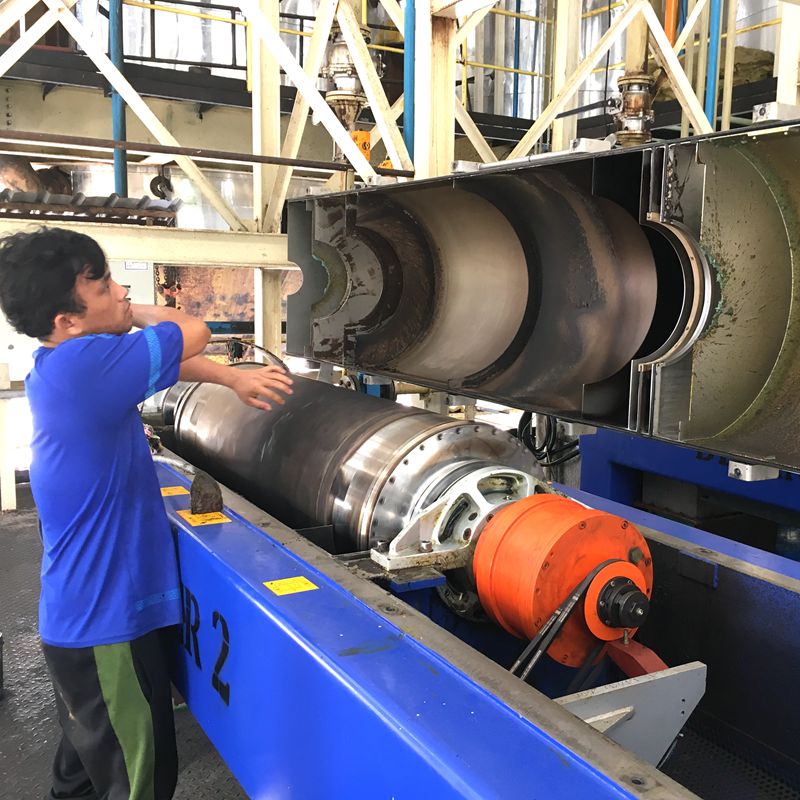
In conclusion, modular palm oil refining equipment provides a comprehensive solution for SMEs in the palm oil industry. It addresses the pain points of SMEs, offers significant advantages over traditional equipment, and supports the long - term development of enterprises. If you are an SME in the palm oil industry, learn how the modular solution can be adapted to your factory and take a step towards sustainable production and maximum return on investment.


.png?x-oss-process=image/resize,h_100,m_lfit/format,webp)
.png?x-oss-process=image/resize,h_100,m_lfit/format,webp)
.png?x-oss-process=image/resize,h_100,m_lfit/format,webp)