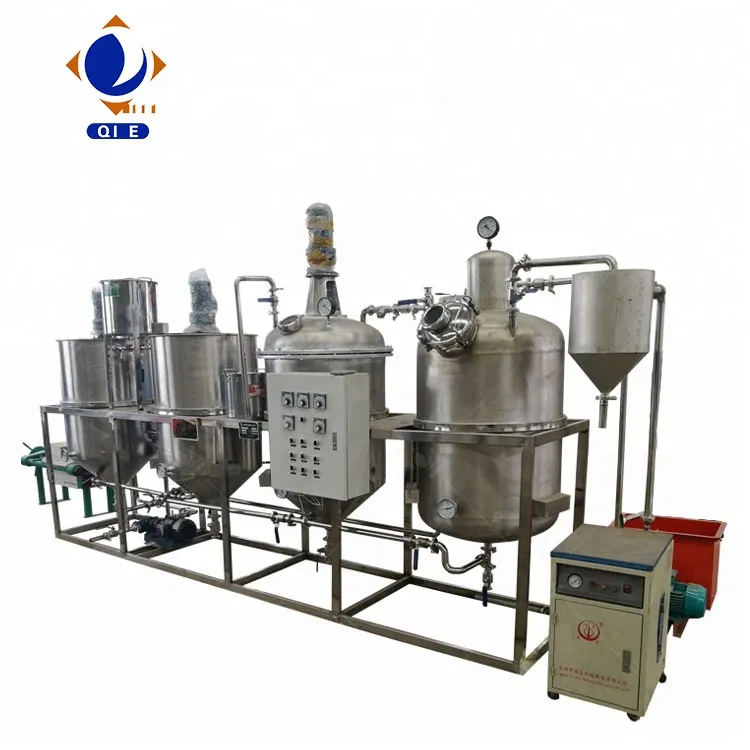
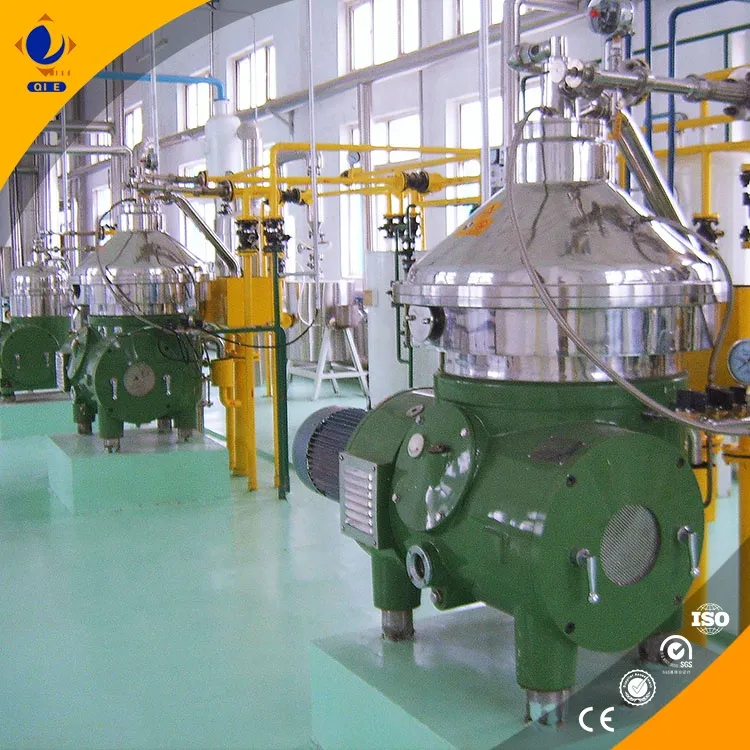
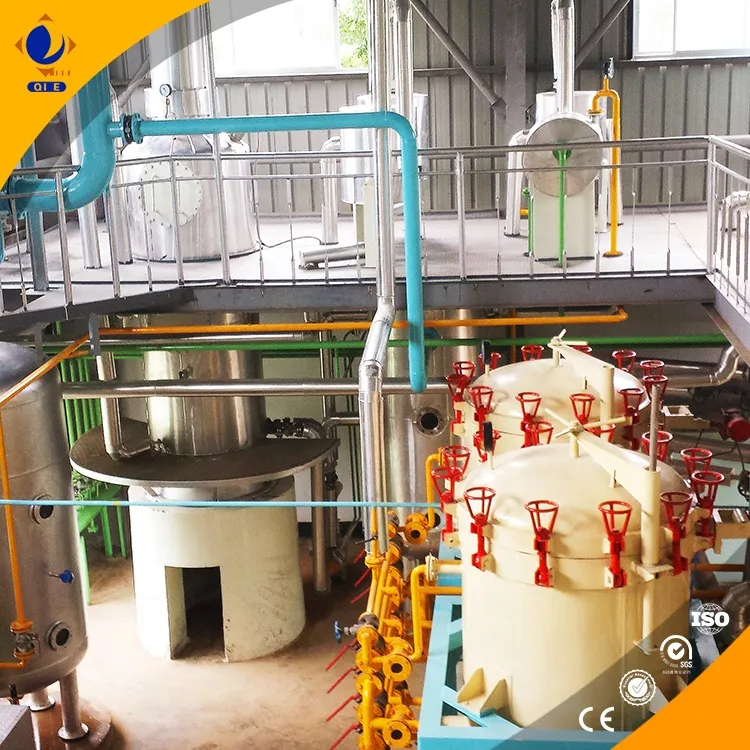
In the complex world of grain and oil processing, safety remains a paramount concern, especially concerning pressure vessels used in equipment such as palm oil production lines. Compliance with the ISO9001:2000 quality management system has become a critical pillar supporting not only operational excellence but also legal and safety adherence in this industry. Understanding how ISO9001 certification tangibly enhances pressure vessel safety can empower small and medium enterprises (SMEs) to make informed procurement decisions and mitigate risk.
ISO9001 sets forth stringent requirements across the manufacturing process chain. This begins with design compliance, ensuring pressure vessels meet international safety standards tailored for grain and oil machinery. Engineering teams must document and validate design parameters such as maximum allowable working pressure, safety margins, and stress tolerances.
Next is the materials selection phase, where certified stainless steel grades (such as AISI 304 or 316) are preferred for corrosion resistance and durability. Traceability of raw material certificates helps manufacturers maintain quality integrity throughout production.
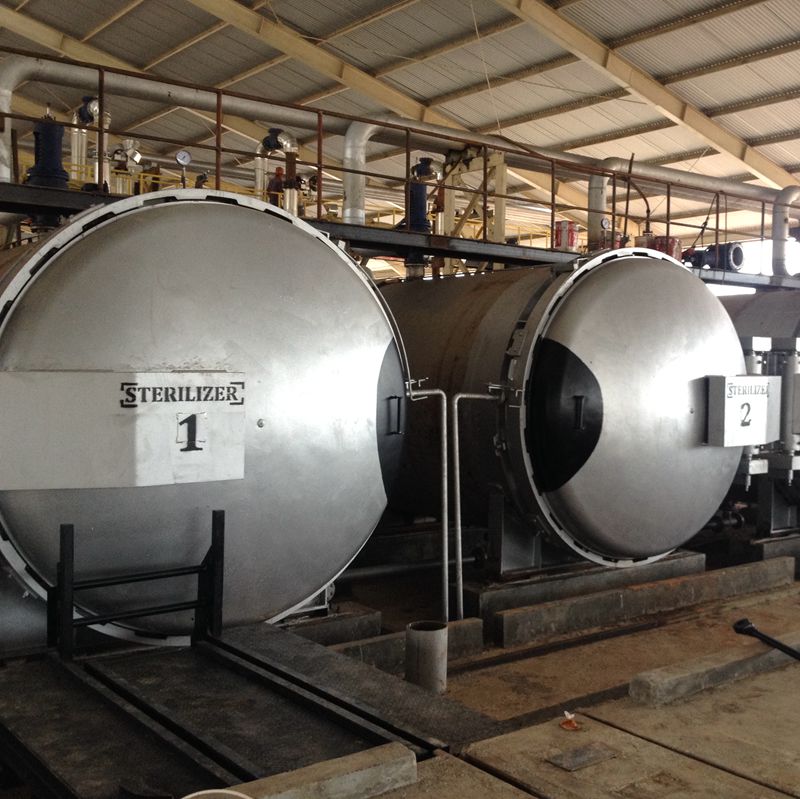
Welding practices represent another cornerstone. ISO9001 mandates strict controls on welding techniques, including welder certifications, monitoring of heat input, and post-weld inspections such as radiographic or ultrasonic testing. These actions reduce the risk of structural failure during high-pressure operation.
Finally, the third-party inspection acts as an independent verification to ensure conformity with all applicable codes such as ASME or PED. These inspections verify dimensional accuracy, weld quality, and pressure-holding capacity before shipment.
“ISO9001 certification streamlines quality management processes, driving consistent product safety and regulatory compliance that is critical in the manufacturing of pressure vessels within the food processing industry.” – International Organization for Standardization (ISO)
Several mid-sized manufacturers in Southeast Asia have adopted ISO9001-based quality controls for their palm oil processing equipment. One notable example highlights how the systematic implementation of these standards led to a 40% reduction in weld defects and zero critical pressure vessel failures over three years.
This operational reliability not only safeguards production continuity but also helps prevent costly recalls and regulatory fines. For SMEs entering the global market, demonstrating such compliance serves as a trust-building differentiator.
Before finalizing any purchase, grain and oil enterprises must verify suppliers’ credentials with the following documentation:
This checklist empowers SMEs to confirm every manufacturing stage meets international safety benchmarks, enabling confident investment decisions.

Integrating ISO9001-certified pressure vessels within intelligent palm oil processing systems enables enterprises to unite safety with automation. Features such as real-time pressure monitoring, automated emergency relief valves, and digital traceability records further elevate operational security.
Selecting equipment that aligns with ISO9001 standards means “equipping your enterprise with a safety lock”—where every milestone from design to testing withstands rigorous scrutiny.
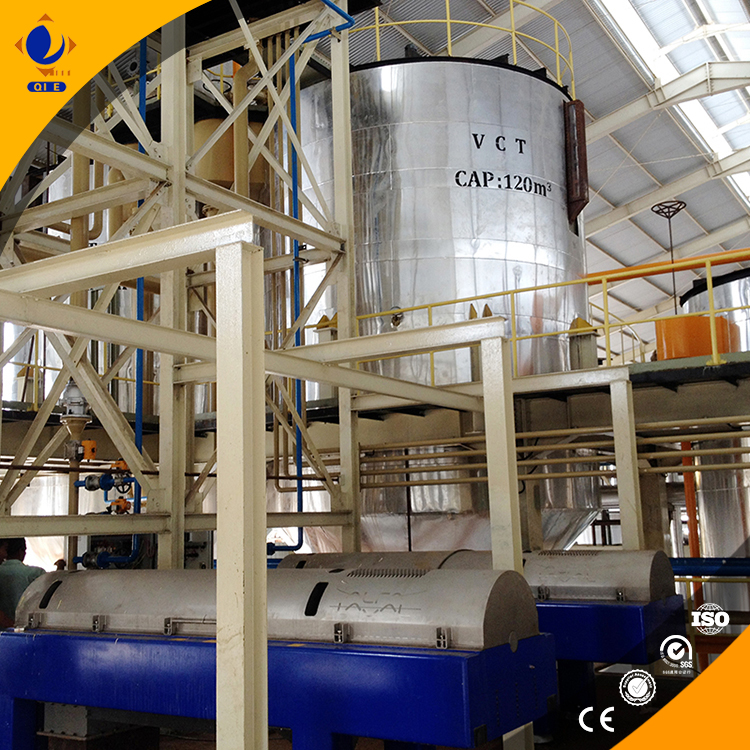
 palm oil automation line
PLC control system
cold press vs hot press
small palm oil mill automation
oil processing optimization
Palm oil refining equipment
Cold and hot press double processes
Oil quality stability
Production parameter optimization
Grain and oil processing technology
palm oil refining process
cold press vs hot press
oil extraction efficiency
palm oil quality control
refining equipment for small mills
palm oil processing equipment
wide voltage input technology
wear-resistant materials selection
equipment lifespan prediction
oil mill machinery Nigeria
palm kernel oil extraction equipment operation
fully automatic palm kernel oil refining system
PLC control in oil processing
unattended oil extraction equipment
solvent consumption optimization
palm oil automation line
PLC control system
cold press vs hot press
small palm oil mill automation
oil processing optimization
Palm oil refining equipment
Cold and hot press double processes
Oil quality stability
Production parameter optimization
Grain and oil processing technology
palm oil refining process
cold press vs hot press
oil extraction efficiency
palm oil quality control
refining equipment for small mills
palm oil processing equipment
wide voltage input technology
wear-resistant materials selection
equipment lifespan prediction
oil mill machinery Nigeria
palm kernel oil extraction equipment operation
fully automatic palm kernel oil refining system
PLC control in oil processing
unattended oil extraction equipment
solvent consumption optimization






.png?x-oss-process=image/resize,h_100,m_lfit/format,webp)
.png?x-oss-process=image/resize,h_100,m_lfit/format,webp)
.png?x-oss-process=image/resize,h_100,m_lfit/format,webp)