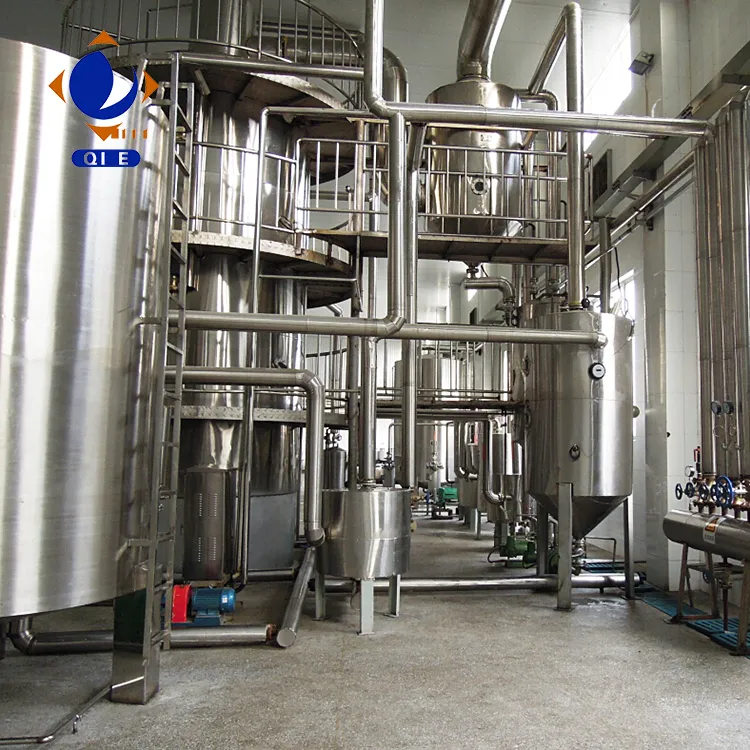
For small and medium-sized enterprises (SMEs) engaged in manufacturing grain and oil machinery, particularly pressure vessels used in palm oil processing equipment, ensuring compliance with international safety standards is paramount. Adhering to ISO9001:2000 quality management systems dramatically improves product reliability, reduces legal risks, and strengthens overall production safety. The Penguin Group’s expertise highlights how ISO9001 certification shapes the design, manufacturing, and inspection of Class I and Class II pressure vessels, ensuring your equipment meets export standards while boosting your market competitiveness.
ISO9001 is an internationally recognized standard which outlines the requirements for a robust quality management system. For grain and oil machinery, especially pressure vessels, it ensures manufacturers consistently meet customer and regulatory requirements while enhancing internal process control. Research indicates that companies implementing ISO9001 experience up to a 40% reduction in equipment failure rates, a critical improvement for equipment such as automated pressing lines and stainless steel pressure vessels.
Pressure vessels in grain and oil machinery are classified into Class I and Class II, based on their design pressures, volumes, and intended use. ISO9001 integrates closely with relevant technical design codes, emphasizing:
A stringent third-party verification stage ensures compliance beyond internal quality audits, mitigating risks related to production faults or nonconformities.

When sourcing pressure vessels or related grain oil processing equipment, SMEs should verify the following to ensure compliance and operational safety:

Beyond certification, modern grain and oil machinery increasingly incorporates automation and remote monitoring, elevating operational safety to new levels. Pressure vessels fitted with sensors that track internal pressure and temperature feed data into central control systems, enabling:
These intelligent systems complement ISO9001-certified processes, contributing to safer, more reliable export-grade production lines.
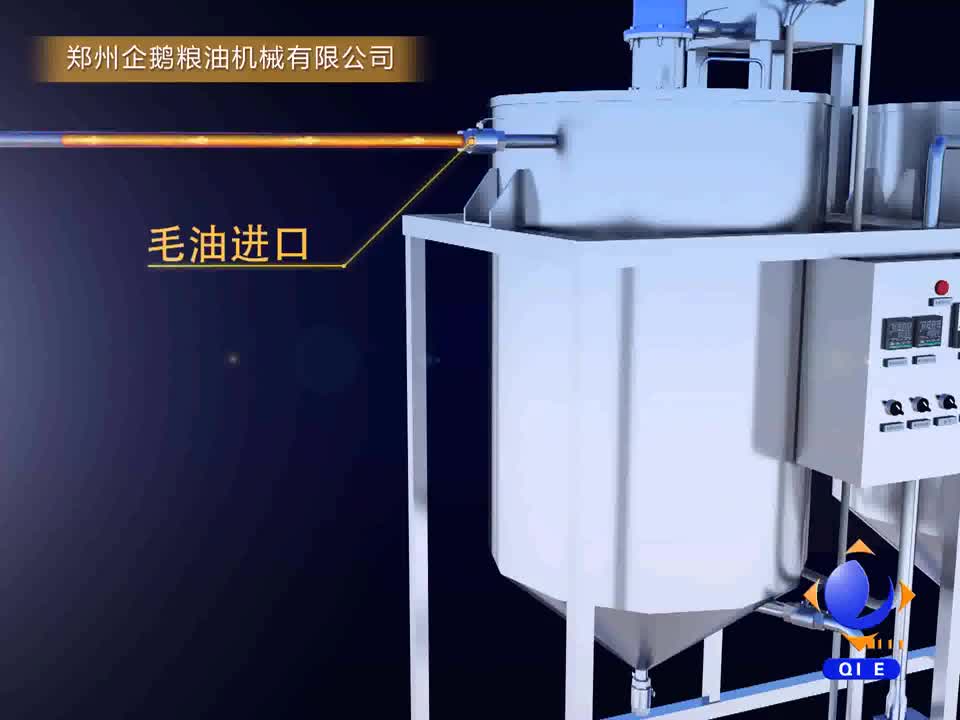
 PLC automatic control system
palm oil refining equipment
small oil mill automation transformation
oil processing efficiency improvement
African grain and oil machinery
palm oil automation
PLC control system
palm oil refining equipment
small scale oil mill solutions
automated oil processing
palm oil refining process
dual cold and hot pressing
palm oil quality stability
palm oil degumming technology
edible oil processing equipment
fully automated palm kernel oil extraction
palm kernel oil refining system
PLC automated control
grain and oil processing equipment
palm kernel oil equipment maintenance
palm oil refining
cold press vs hot press
oil yield optimization
palm oil quality improvement
small scale oil processing
PLC automatic control system
palm oil refining equipment
small oil mill automation transformation
oil processing efficiency improvement
African grain and oil machinery
palm oil automation
PLC control system
palm oil refining equipment
small scale oil mill solutions
automated oil processing
palm oil refining process
dual cold and hot pressing
palm oil quality stability
palm oil degumming technology
edible oil processing equipment
fully automated palm kernel oil extraction
palm kernel oil refining system
PLC automated control
grain and oil processing equipment
palm kernel oil equipment maintenance
palm oil refining
cold press vs hot press
oil yield optimization
palm oil quality improvement
small scale oil processing





.png?x-oss-process=image/resize,h_100,m_lfit/format,webp)
.png?x-oss-process=image/resize,h_100,m_lfit/format,webp)
.png?x-oss-process=image/resize,h_100,m_lfit/format,webp)