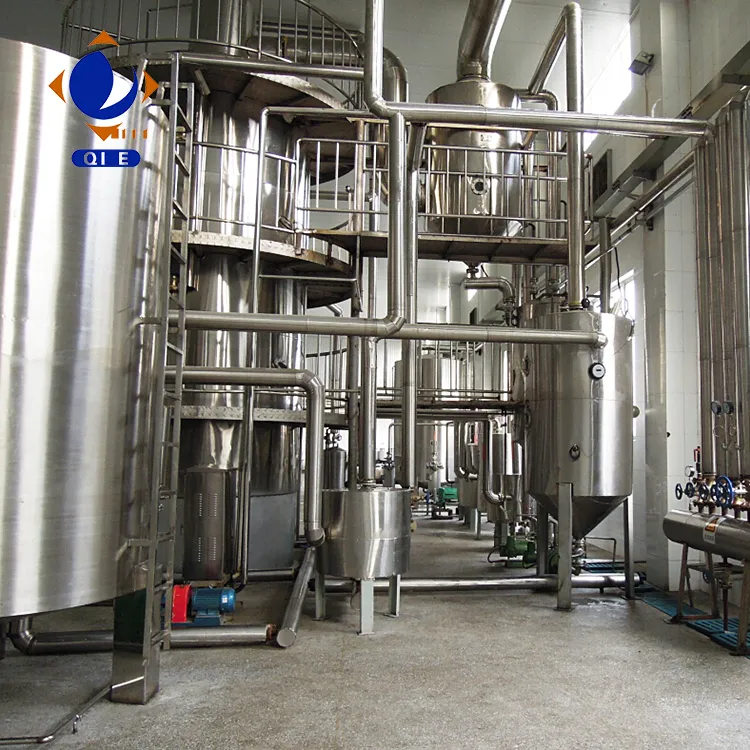
The ISO9001:2000 Quality Management System (QMS) plays a pivotal role in ensuring the safety and reliability of pressure vessels used within grain and oil machinery manufacturing. Especially for first and second category pressure vessels integral to smart palm oil processing lines, adherence to this internationally recognized standard guides manufacturers in material selection, welding processes, and rigorous inspection procedures. This article explores how ISO9001 cultivates safer, more compliant equipment — empowering small and medium-sized enterprises (SMEs) in the edible oil industry to mitigate operational risks and strengthen competitive advantage.
ISO9001 stipulates a comprehensive quality management approach that streamlines grain and oil machinery production. When applied to pressure vessels, the standard demands documented procedures for every production phase—from meticulous material certification to validated welding techniques and exhaustive non-destructive testing (NDT). This ensures vessels not only meet mechanical strength requirements but also comply with stringent safety codes enforced globally. Manufacturers certified under ISO9001 report a 25%-30% reduction in defect rates and significant improvements in process consistency.
The integrity of pressure vessels hinges on the accurate selection of materials compliant with international standards such as ASTM or EN. ISO9001 guides enterprises to establish material traceability and implement supplier audits to assure quality. Welding, a high-risk step prone to flaws affecting vessel safety, benefits from standardized procedures under ISO9001’s process controls, including welder qualifications and real-time monitoring.
Partnering with accredited third-party inspection agencies is critical to independently validate vessel safety compliance. ISO9001 ensures that manufacturers incorporate comprehensive testing protocols, including hydrostatic testing, radiographic inspection, and ultrasonic flaw detection. Such processes confirm conformity not only to ISO standards but also to national regulatory requisites, helping clients avoid costly production downtime or legal sanctions.
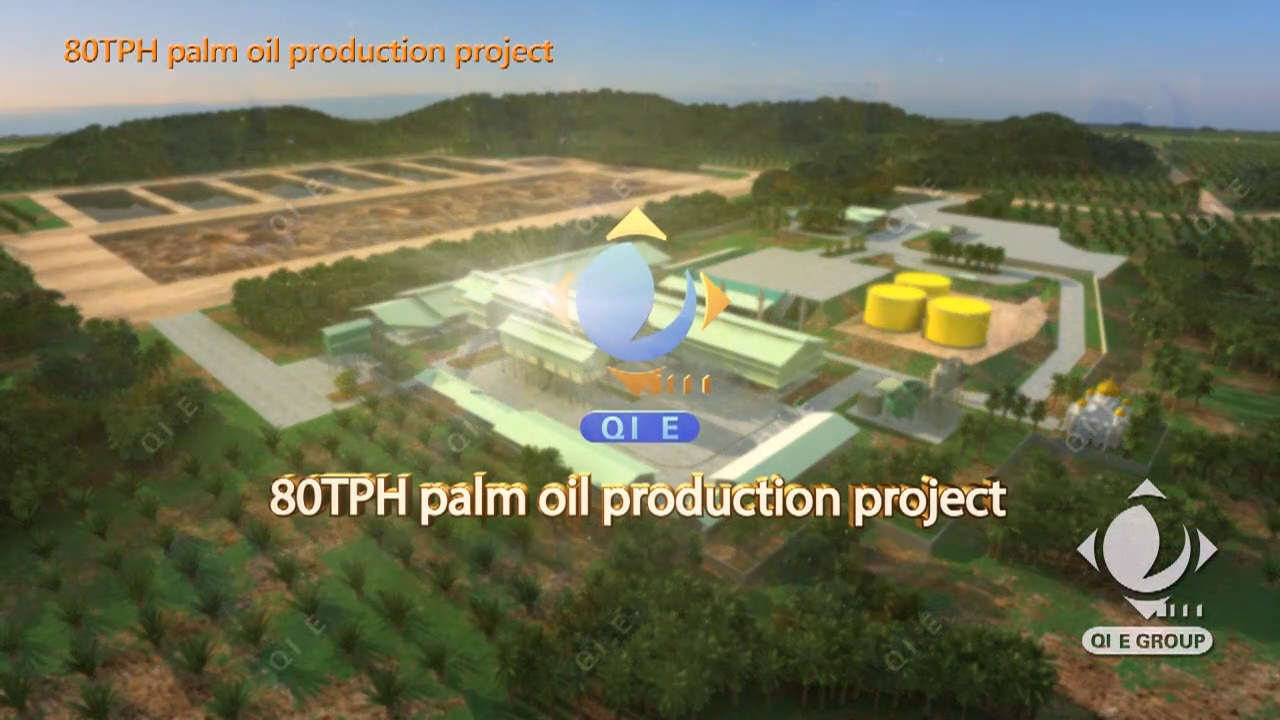
Selecting pressure vessels certified under ISO9001 standards is essential to prevent production hazards and legal complications. SMEs should use the following safety qualification checklist when sourcing equipment:
By rigorously applying this checklist, businesses significantly reduce risks of equipment failure and non-compliance, safeguarding both workforce safety and regulatory adherence.
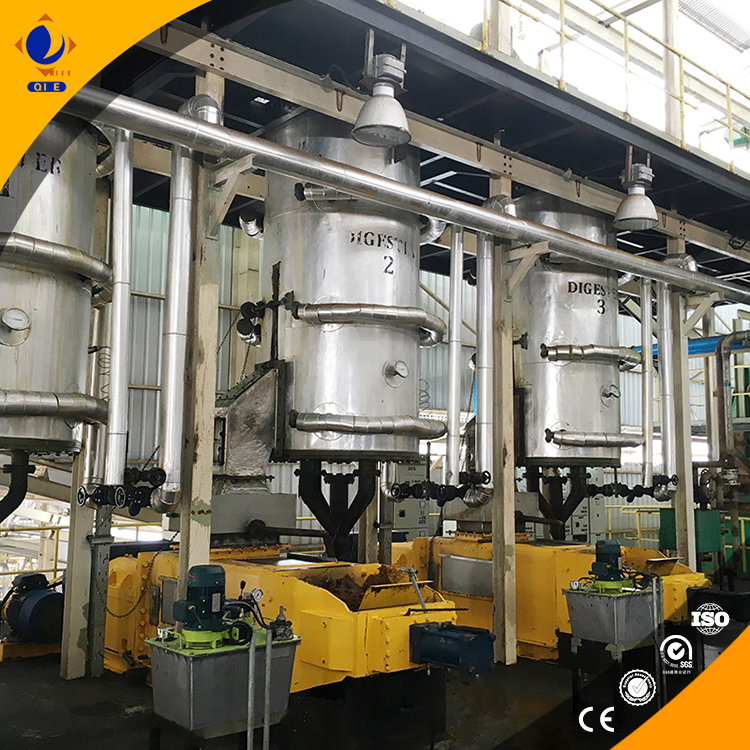
Adoption of intelligent monitoring systems within innovative palm oil processing lines further elevates safety standards. ISO9001 promotes integration of remote monitoring tools that track pressure, temperature, and structural integrity in real time. This proactive approach facilitates early detection of anomalies, enabling preventive maintenance and minimizing unexpected downtime.
Enterprises implementing these advanced solutions have observed up to a 40% decrease in emergency repairs and a measurable boost in operational efficiency.
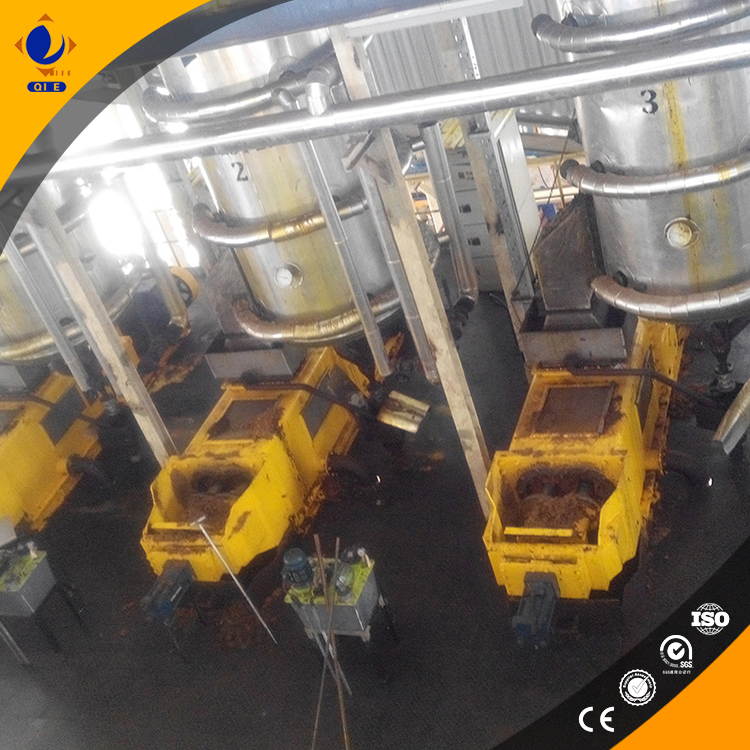
Q: Why is ISO9001 certification critical for pressure vessel safety in grain and oil machinery?
A: ISO9001 ensures a systematic quality framework that controls design, production, and testing processes, reducing defects and enhancing compliance with safety standards.
Q: How can SMEs verify if a pressure vessel meets the necessary safety requirements?
A: SMEs should review certification documents, material test reports, welding procedures, and third-party inspection results using a detailed checklist before procurement.
Q: What benefits does remote monitoring offer in pressure vessel safety management?
A: Remote monitoring enables real-time tracking of vessel parameters, providing early warnings for maintenance needs and preventing catastrophic failures.
 intelligent remote monitoring
palm oil processing
equipment fault prediction
IoT in manufacturing
AI-based maintenance
cold press palm oil
hot press palm oil
palm oil refining process
efficient oil extraction
palm oil quality improvement
PLC control system for palm oil refining
cold heat press optimization
small oil mill automation
palm oil quality improvement
automated oil processing technology
fully automated palm kernel oil extraction
palm kernel oil refining system
PLC automated control
grain and oil processing equipment
palm kernel oil equipment maintenance
palm kernel oil extraction equipment operation
fully automatic palm kernel oil refining system
PLC control in oil processing
unattended oil extraction equipment
solvent consumption optimization
intelligent remote monitoring
palm oil processing
equipment fault prediction
IoT in manufacturing
AI-based maintenance
cold press palm oil
hot press palm oil
palm oil refining process
efficient oil extraction
palm oil quality improvement
PLC control system for palm oil refining
cold heat press optimization
small oil mill automation
palm oil quality improvement
automated oil processing technology
fully automated palm kernel oil extraction
palm kernel oil refining system
PLC automated control
grain and oil processing equipment
palm kernel oil equipment maintenance
palm kernel oil extraction equipment operation
fully automatic palm kernel oil refining system
PLC control in oil processing
unattended oil extraction equipment
solvent consumption optimization







.png?x-oss-process=image/resize,h_100,m_lfit/format,webp)
.png?x-oss-process=image/resize,h_100,m_lfit/format,webp)
.png?x-oss-process=image/resize,h_100,m_lfit/format,webp)