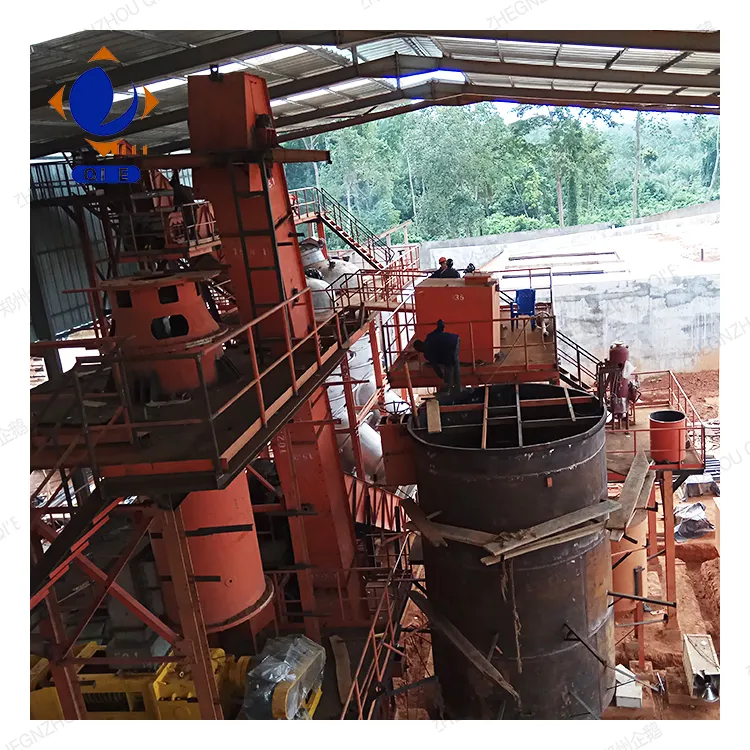
In Nigeria and other African regions, small and medium - sized palm oil processing plants often grapple with high labor costs and inconsistent product quality due to non - standard operations. Traditional manual operations are labor - intensive. A small - scale palm oil plant may require a workforce of 20 - 30 employees for its daily operations. This not only incurs high labor costs but also leads to a series of problems.
Quality inconsistencies are a major headache. Manual temperature control in the refining process can result in a quality variance of up to 25% in palm oil products. Moreover, the lack of standardized operations poses significant safety risks. For instance, improper handling of hot oil can lead to scalding accidents, and incorrect pressure control may cause equipment explosions.
The PLC automatic control system is a game - changer in palm oil refining. In the pre - treatment stage, it can precisely adjust the temperature and humidity of raw materials according to their moisture content. For raw materials with a moisture content of around 20%, the PLC system can reduce the moisture to the ideal level of 5 - 7% through accurate temperature and airflow control, ensuring the subsequent refining process.
In the degumming, deacidification, decolorization, and deodorization processes, the PLC system uses sensors to monitor process parameters in real - time and adjusts valves, heaters, and other equipment accordingly. During decolorization, it can adjust the dosage of activated carbon based on the color index of the oil, improving the efficiency by up to 30% compared to manual operations.
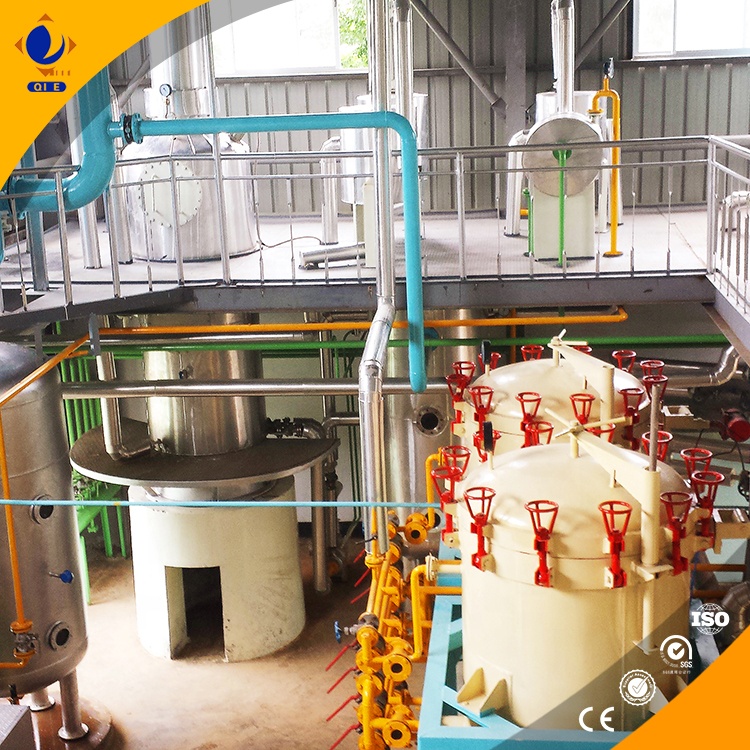
Cold pressing and hot pressing have different temperature requirements. Cold pressing generally operates at a temperature below 60°C to preserve the nutrients in the palm oil. The PLC system uses a slow - heating method and continuous temperature monitoring. On the other hand, hot pressing can reach temperatures of up to 180 - 200°C. The system adopts a segmented heating strategy, with pressure feedback to ensure stable operation.
For example, in the initial stage of hot pressing, the system rapidly heats the raw materials to 100°C within 10 minutes and then gradually increases the temperature to the optimal pressing temperature. During this process, pressure sensors continuously monitor the pressure, and if the pressure exceeds the set value, the system will automatically adjust the heating rate or reduce the feed rate.
To adapt to different raw material moisture contents, different temperature control strategies are required. For raw materials with high moisture content (above 30%), the system can first perform a pre - heating and dehumidification process at a relatively low temperature (around 80°C) for 30 - 40 minutes. For raw materials with normal moisture content (15 - 20%), a quick - heating strategy can be adopted to enter the main pressing process faster.
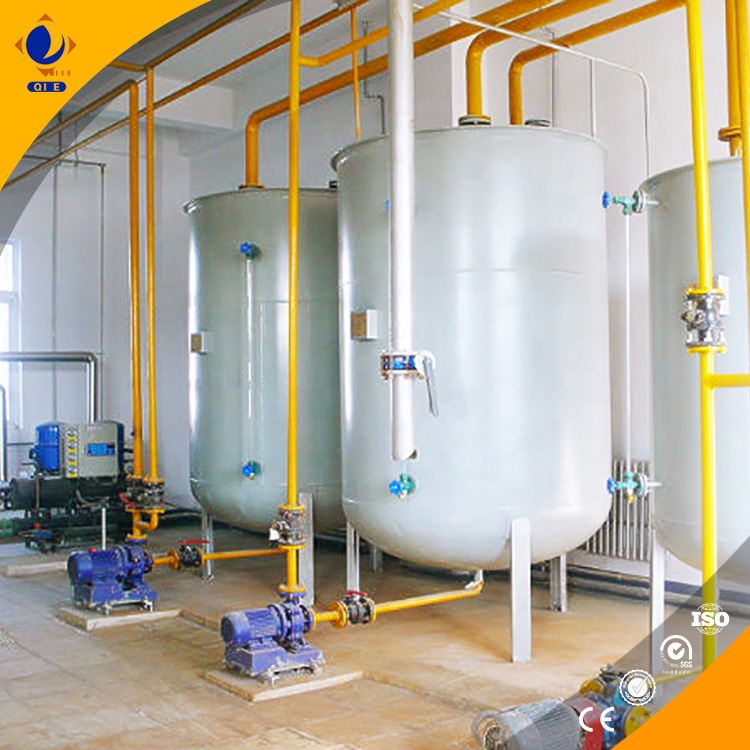
Regular maintenance is crucial for the stable operation of the PLC system. Sensor calibration should be carried out at least once a month to ensure the accuracy of temperature, pressure, and other parameter measurements. Alarm handling should be set up in a timely manner. When an abnormal situation occurs, the system can send an alarm to the management personnel's mobile phone, and they can remotely check the system status and take corresponding measures.
Energy - saving mode settings can also reduce operating costs. For example, during non - peak production hours, the system can automatically adjust the heating power and equipment operation speed, reducing energy consumption by up to 20%.
Automation brings multiple benefits. It can reduce labor input by 30 - 40%, allowing a palm oil plant to operate with only 10 - 15 employees. This not only saves labor costs but also improves production efficiency. The production cycle can be shortened by 20 - 30%, enabling the plant to produce more products in the same period.
Moreover, automated production can ensure product quality consistency, meeting international quality standards and enhancing market competitiveness. It also helps enterprises comply with relevant industry regulations, avoiding potential legal risks.
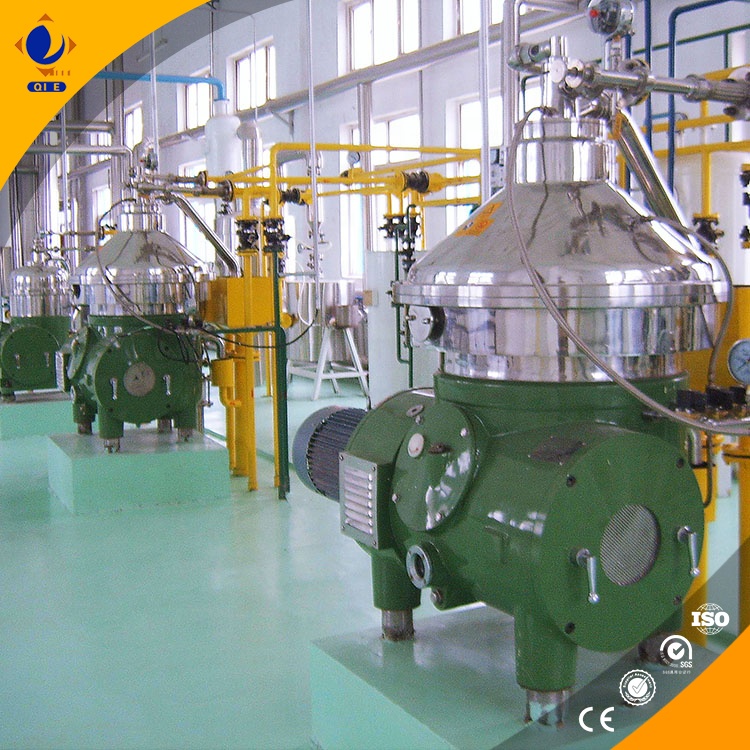
If you're an oil mill manager looking to elevate your production's efficiency and quality, it's time for an upgrade. 立即了解适合您工厂的自动化升级方案 (Discover the automation upgrade plan suitable for your factory now!)
 small palm oil refining plant
automated palm oil processing line
energy-efficient oil refining equipment
PLC control system in palm oil industry
palm fruit to refined oil automation
modular palm oil refining equipment
small and medium enterprises palm oil
refinery maintenance cost reduction
energy-efficient oil processing
scalable refinery design
cold press palm oil
hot press palm oil
palm oil refining process
efficient oil extraction
palm oil quality improvement
small scale palm oil refinery equipment
economical palm oil processing line
PLC control in oil refining
palm oil refinery automation
energy efficient palm oil equipment
palm oil refining equipment
energy-efficient palm oil refinery
SME palm oil processing technology
refining equipment energy consumption standards
PLC control system in oil refining
small palm oil refining plant
automated palm oil processing line
energy-efficient oil refining equipment
PLC control system in palm oil industry
palm fruit to refined oil automation
modular palm oil refining equipment
small and medium enterprises palm oil
refinery maintenance cost reduction
energy-efficient oil processing
scalable refinery design
cold press palm oil
hot press palm oil
palm oil refining process
efficient oil extraction
palm oil quality improvement
small scale palm oil refinery equipment
economical palm oil processing line
PLC control in oil refining
palm oil refinery automation
energy efficient palm oil equipment
palm oil refining equipment
energy-efficient palm oil refinery
SME palm oil processing technology
refining equipment energy consumption standards
PLC control system in oil refining







.png?x-oss-process=image/resize,h_100,m_lfit/format,webp)
.png?x-oss-process=image/resize,h_100,m_lfit/format,webp)
.png?x-oss-process=image/resize,h_100,m_lfit/format,webp)