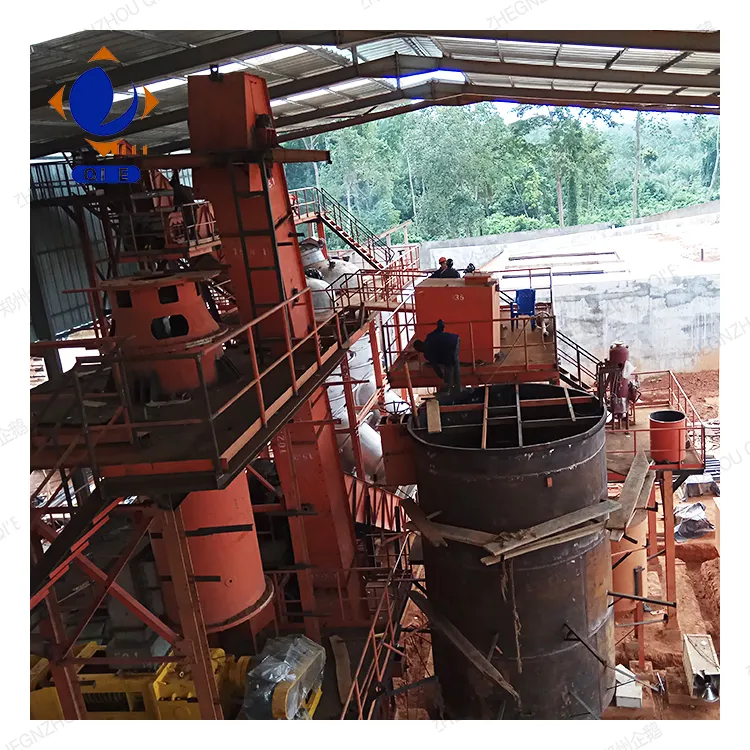
In today’s fast-evolving Industrial 4.0 era, palm oil processing plants grapple with maintaining uninterrupted production and minimizing costly equipment downtime. Intelligent remote monitoring systems, powered by Internet of Things (IoT) technologies combined with advanced AI fault prediction algorithms, offer a breakthrough solution for proactive maintenance.
For palm oil manufacturers, continuous monitoring of key operational metrics such as vibration, temperature, and pressure is crucial. Smart sensors integrate seamlessly with processing equipment to collect data at sub-second intervals. This granular monitoring enables early detection of abnormal trends indicative of impending equipment failure.
By deploying IoT-enabled devices, plant operators gain 24/7 visibility into machine health without being physically onsite. This remote access drastically increases response speed and reduces unexpected downtime that typically costs producers an average of 5–20% of annual revenue globally.
The true value of intelligent monitoring stems from the integration of AI algorithms that analyze streaming sensor data in real-time, identifying complex patterns invisible to the human eye. Such predictive analytics create actionable alerts well before faults escalate, enabling preventive maintenance planning.
Typical AI models trained on historical equipment behavior and failure modes can reduce unexpected downtime by up to 40%, according to industry reports. This translates into hundreds of thousands of dollars saved annually on repairs and productivity losses in mid-sized palm oil plants.
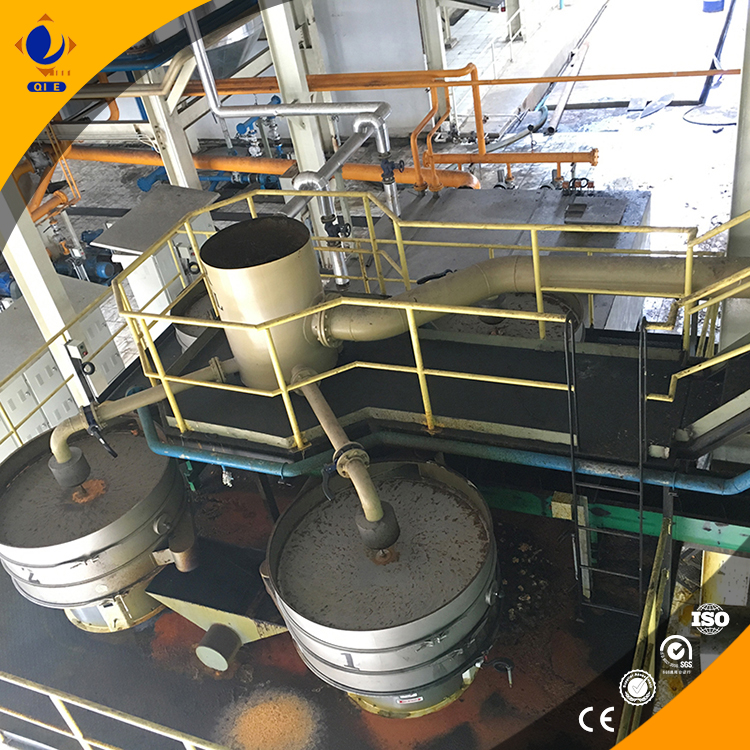
While technology might sound complex, deployment of these monitoring systems is highly accessible. Mid-sized plants can implement modular kits that plug directly into existing machineries within 2-4 weeks, requiring minimal downtime during installation.
Step-by-step operational manuals focus on empowering onsite personnel with practical skills — from sensor calibration to interpreting standard alarm signals such as abnormal vibration spikes or sustained temperature increases. These guidelines accelerate personnel’s proficiency, leading to an average 25% improvement in issue detection speed.
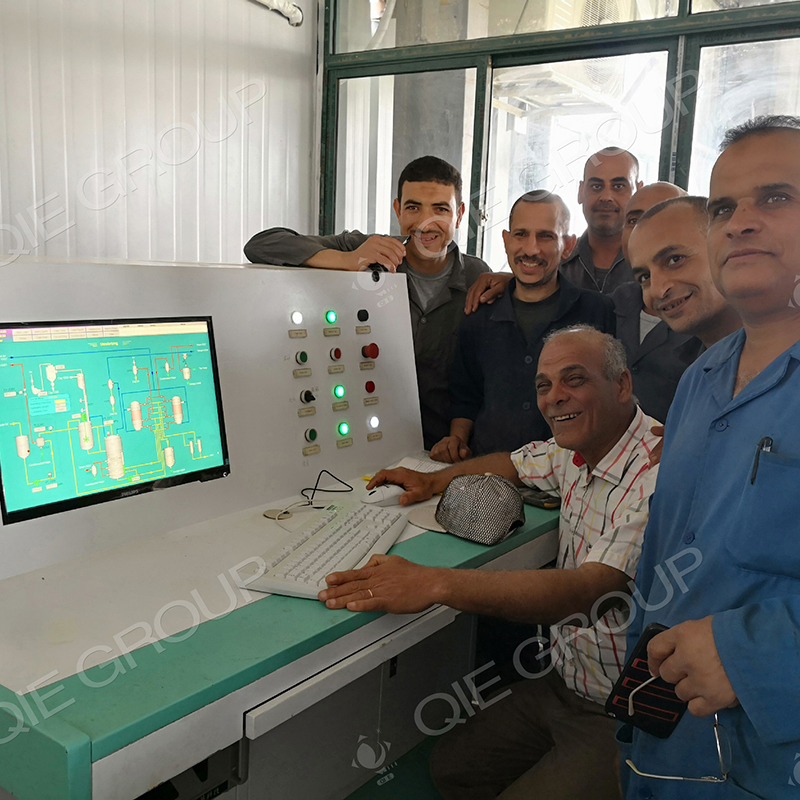
A mid-sized palm oil processor in Southeast Asia recently integrated an intelligent remote monitoring system from Penguin Group. Within six months, the plant reported a 30% reduction in unscheduled downtime and a 15% decrease in maintenance costs. Early alerts allowed maintenance teams to intervene on equipment before breakdowns, optimizing resource allocation.
Moreover, the system's user-friendly dashboards facilitated cross-department coordination, improving overall operational transparency.
 palm kernel oil extraction equipment
automated palm kernel oil refining system
PLC control system guide
unattended oil pressing process
solvent consumption optimization
Palm oil refining process
Cold and hot pressing dual - process
Degumming efficiency improvement
Temperature control optimization
Grain and oil processing equipment
multi-voltage palm oil refining equipment
palm oil processing in unstable power grids
PLC control system for oil mills
reliable oil extraction machinery
sustainable palm oil production
fully automated palm kernel oil extraction
palm kernel oil refining system
PLC automated control
grain and oil processing equipment
palm kernel oil equipment maintenance
palm oil refining
cold press vs hot press
oil yield optimization
palm oil quality improvement
small scale oil processing
palm kernel oil extraction equipment
automated palm kernel oil refining system
PLC control system guide
unattended oil pressing process
solvent consumption optimization
Palm oil refining process
Cold and hot pressing dual - process
Degumming efficiency improvement
Temperature control optimization
Grain and oil processing equipment
multi-voltage palm oil refining equipment
palm oil processing in unstable power grids
PLC control system for oil mills
reliable oil extraction machinery
sustainable palm oil production
fully automated palm kernel oil extraction
palm kernel oil refining system
PLC automated control
grain and oil processing equipment
palm kernel oil equipment maintenance
palm oil refining
cold press vs hot press
oil yield optimization
palm oil quality improvement
small scale oil processing





.png?x-oss-process=image/resize,h_100,m_lfit/format,webp)
.png?x-oss-process=image/resize,h_100,m_lfit/format,webp)
.png?x-oss-process=image/resize,h_100,m_lfit/format,webp)