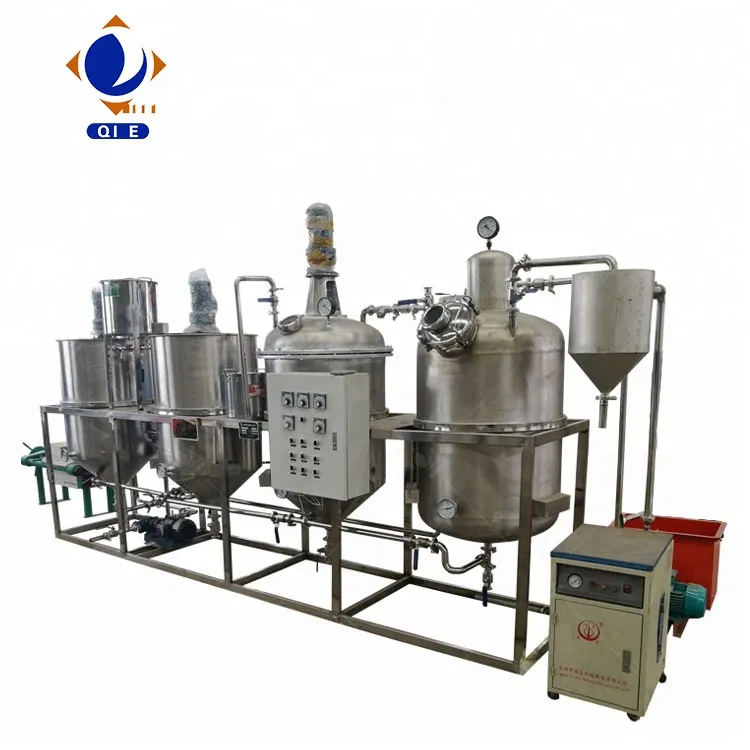
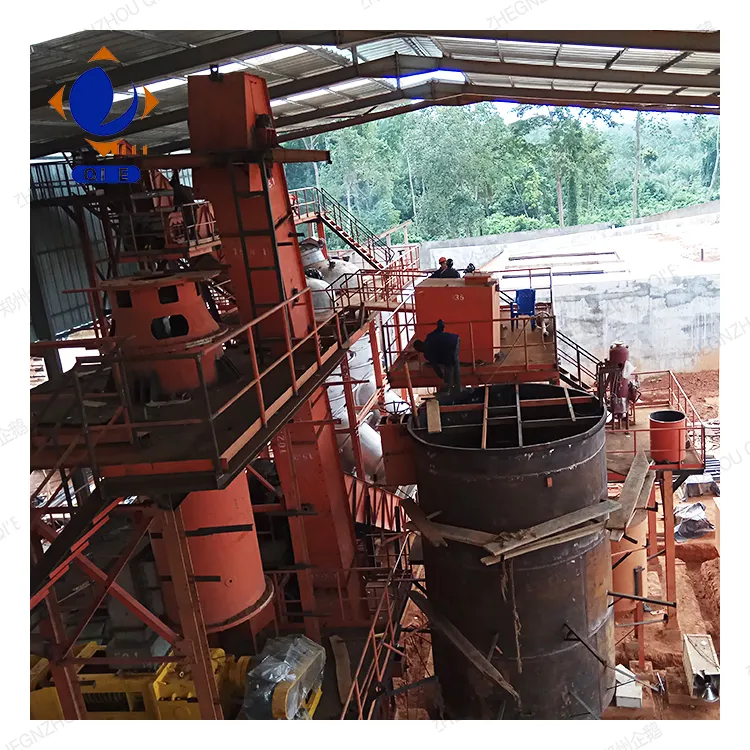
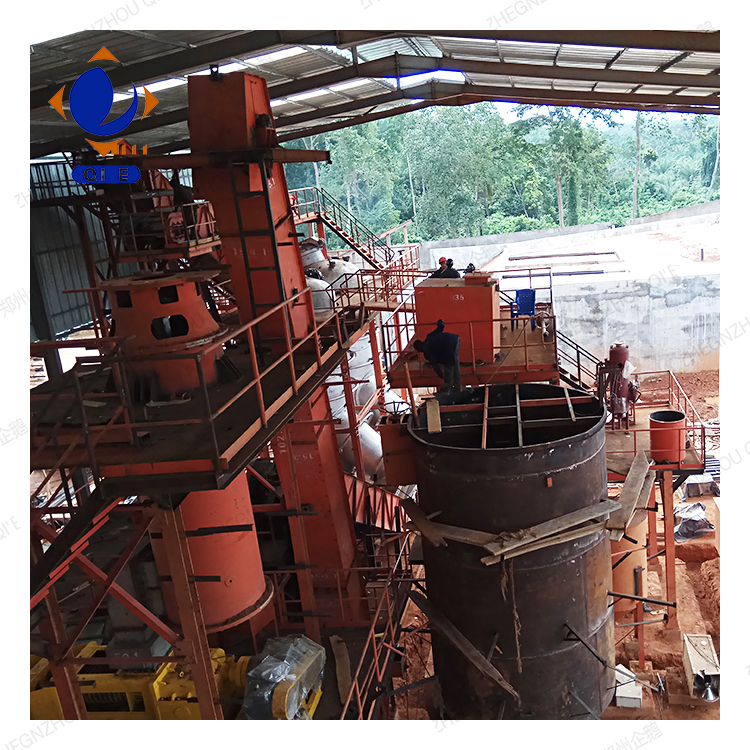
Ensuring the continuous and efficient operation of industrial palm oil refining equipment is paramount to maintaining stable production levels, particularly for facilities processing around 200 tons per day. This guide delves into the critical aspects of palm oil refining equipment maintenance, focusing on key components such as continuous degumming towers, vacuum deodorization units, and filtration machines. Through detailed structural insights and fault prevention strategies, this article aims to empower maintenance teams with actionable knowledge that reduces unplanned downtime and promotes equipment longevity.
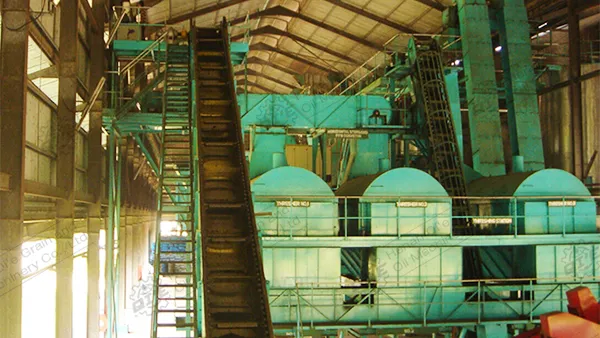
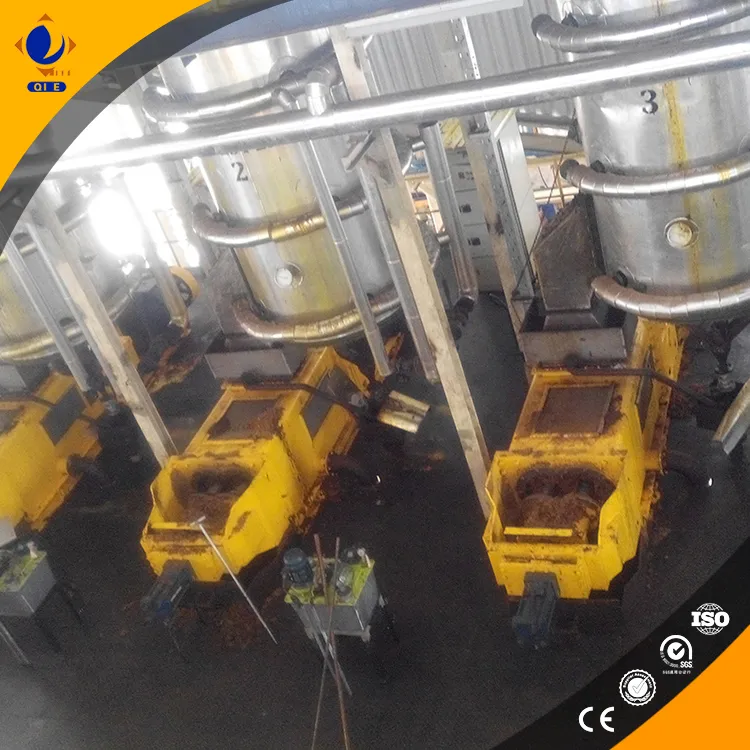
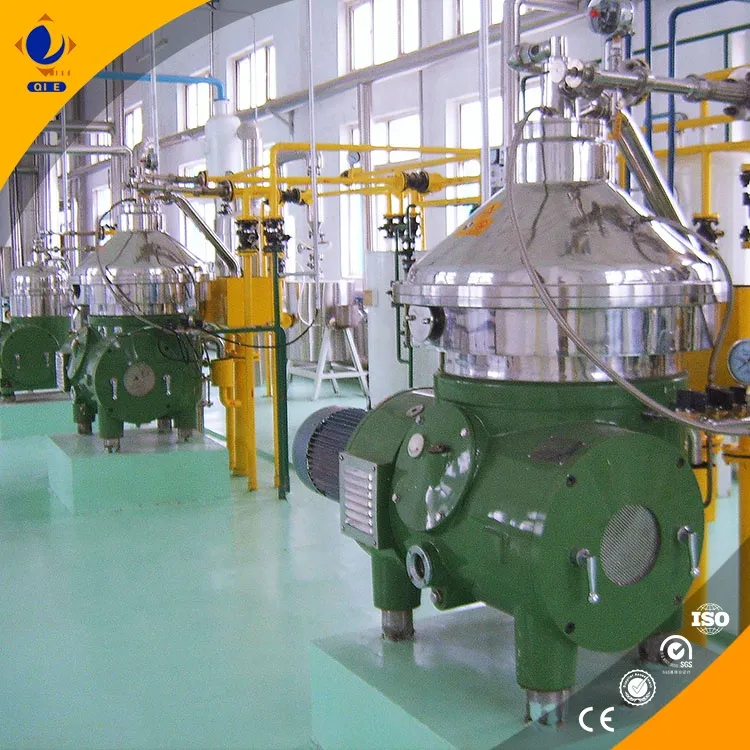
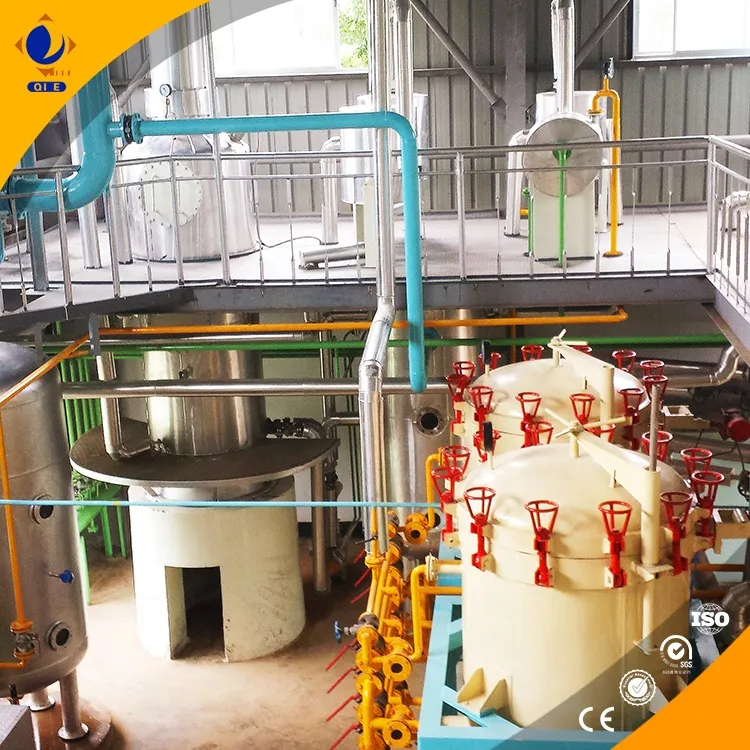
Each major unit in a palm oil refinery plays a distinct role and has unique maintenance considerations:
Operational experience and data trends highlight several common failure modes:
To mitigate the risks identified, implementing a structured and data-driven maintenance regime is essential:
Comprehensive record-keeping allows teams to spot trends and predict failures before they manifest:
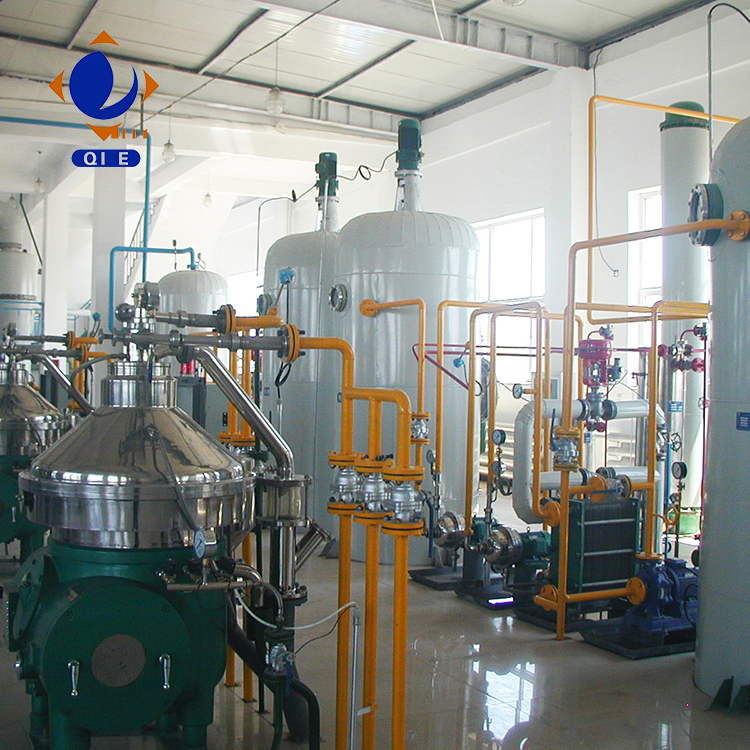
Employing simple yet effective diagnostic tools enhances fault prevention capabilities significantly:
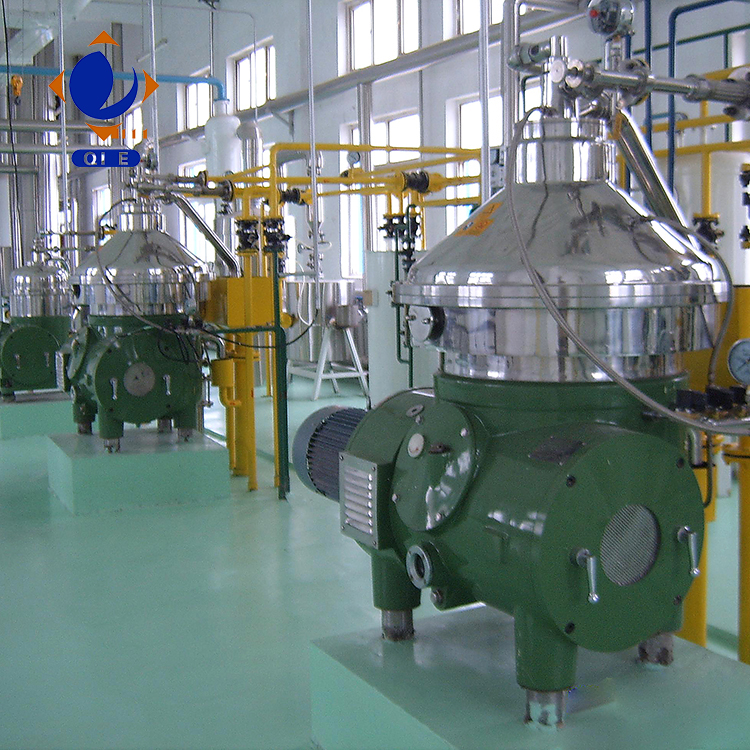
Continuous professional development strengthens operational reliability:
As refining technology evolves, so must maintenance protocols. Establish a routine content review cycle every six months to incorporate emerging best practices, regulatory updates, and user feedback, ensuring your maintenance approach remains cutting-edge and compliant.
 cold press palm oil
hot press palm oil
palm oil refining process
efficient oil extraction
palm oil quality improvement
PLC control system for palm oil refining
cold heat press optimization
small oil mill automation
palm oil quality improvement
automated oil processing technology
ISO9001 quality management system
pressure vessel safety certification
grain and oil machinery manufacturing
edible oil processing equipment
welding process standards
Palm oil refining equipment
Cold and hot press double processes
Oil quality stability
Production parameter optimization
Grain and oil processing technology
palm oil refining equipment
cold hot press technology
palm oil quality control
oil refining optimization
palm oil production efficiency
cold press palm oil
hot press palm oil
palm oil refining process
efficient oil extraction
palm oil quality improvement
PLC control system for palm oil refining
cold heat press optimization
small oil mill automation
palm oil quality improvement
automated oil processing technology
ISO9001 quality management system
pressure vessel safety certification
grain and oil machinery manufacturing
edible oil processing equipment
welding process standards
Palm oil refining equipment
Cold and hot press double processes
Oil quality stability
Production parameter optimization
Grain and oil processing technology
palm oil refining equipment
cold hot press technology
palm oil quality control
oil refining optimization
palm oil production efficiency







.png?x-oss-process=image/resize,h_100,m_lfit/format,webp)
.png?x-oss-process=image/resize,h_100,m_lfit/format,webp)
.png?x-oss-process=image/resize,h_100,m_lfit/format,webp)